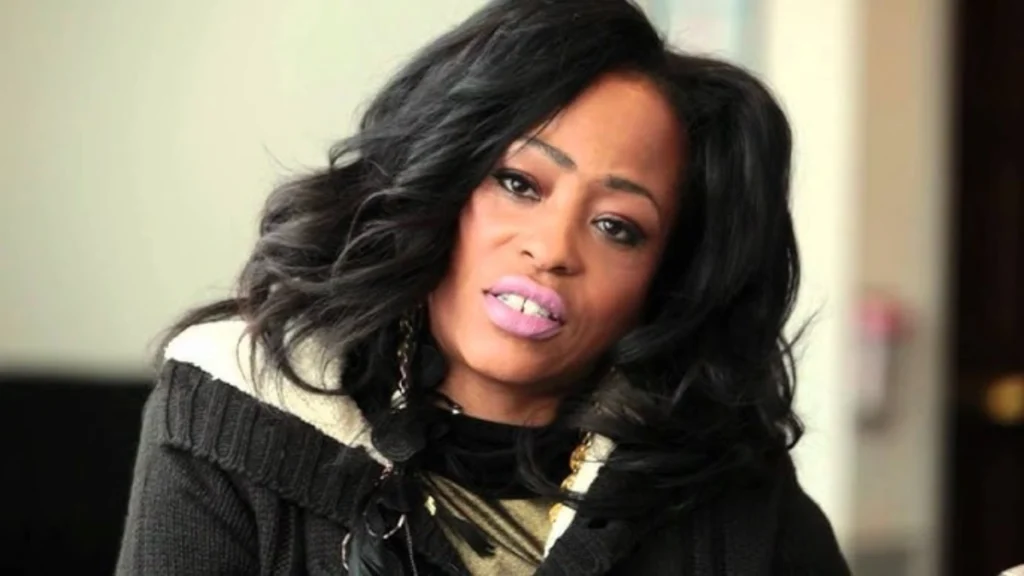
Miki Howard stands as one of R&B’s most gifted vocalists — a rich contralto whose sophisticated phrasing and emotionally direct delivery made her a defining voice of the late-1980s and early-1990s quiet storm and adult R&B. Her career spans four decades, multiple record labels, and a catalog that continues to reach new audiences through streaming platforms. As fans rediscover her artistry, many wonder about the financial success her career has built.
In this article
Here is a closer look at Miki Howard’s net worth and the journey behind it.
What is Miki Howard’s Current Net Worth?
Miki Howard has an estimated net worth of $1 million to $1.5 million. This figure reflects her earnings from album sales, concert performances, royalties, and acting roles accumulated over a career that began in the late 1970s. As a Grammy-nominated artist with multiple number-one R&B hits, her financial standing represents a career built on vocal excellence rather than commercial spectacle.
Her wealth stems primarily from her music catalog, which continues to generate royalties through streaming platforms and digital downloads. Songs like “Ain’t Nuthin’ in the World,” “Love Under New Management,” and “Come Share My Love” remain staples on classic R&B playlists, introducing her voice to audiences who were not yet born during her commercial peak.
When placed alongside peers like Stephanie Mills, Angela Winbush, and Regina Belle — respected R&B vocalists of her generation whose reported net worths range from $500,000 to $2 million — Howard’s figure falls within the expected range. Variations among these artists typically trace back to factors like control over master recordings, publishing rights, diversification into songwriting for other artists, and strategic decisions about catalog ownership. Howard’s most valuable financial asset remains her music catalog, whose value has the potential to grow as sampling by hip-hop producers, placements in films and television, and rediscovery by streaming audiences continue to generate new royalty income.
Early Life
Alicia Michelle Howard was born on September 30, 1960, in Chicago, Illinois, into a family steeped in gospel music. Her mother, Josephine Howard, sang with the legendary gospel group The Caravans — one of the most influential vocal ensembles in Black gospel history. Her father, Clay Graham, performed with The Pilgrim Jubilees, another prominent gospel act. Growing up, Miki’s mother brought her into the homes of stars like Aretha Franklin and Mavis Staples, exposing her to greatness from an early age.
At the age of nine, Howard and her family relocated to Los Angeles. Her mother sang in a choir led by Caravans arranger James Cleveland, and the family home regularly welcomed figures like Albertina Walker, Shirley Caesar, Billy Preston, and Fats Domino. Alongside these gospel influences, young Miki gravitated toward jazz vocalists — particularly Billie Holiday, Dinah Washington, and Nancy Wilson — whose interpretive styles left a lasting mark on her own phrasing and delivery.
As a teenager, Howard became a regular at Maverick’s Flat, a legendary nightclub on Los Angeles’s Central Avenue that hosted acts like Rufus featuring Chaka Khan and Earth, Wind & Fire. The live performances she witnessed there solidified her desire to pursue a professional singing career.
Side Effect Years
At sixteen, Howard performed in a teen beauty pageant where her voice caught the attention of Augie Johnson, the leader and vocalist of the R&B group Side Effect. Johnson began working with Howard and eventually brought her into the group in 1979, replacing departing singer Sylvia St. James.
Side Effect was known for blending R&B, jazz, funk, and soul — a stylistic mix that suited Howard’s voice and gave her valuable recording and touring experience. She appeared on three albums with the group: After the Rain (1980), Portraits, and All Aboard, all released on Elektra Records. Though none of these albums performed strongly on the charts, the group scored minor R&B hits with “I Can’t Play” and a cover of Toto’s “Georgy Porgy” in 1983 and 1984.
During her time with Side Effect, Howard also worked as a session vocalist, singing background for artists including Wayne Henderson, Roy Ayers, and Stanley Turrentine. This studio work deepened her musicianship and expanded her professional network. By 1985, she felt ready to pursue a solo career. She left the group, recorded a demo, and secured a recording contract with Atlantic Records.
Rise to Fame
1. First Album (1986)
Howard’s solo career began with her debut album Come Share My Love, released by Atlantic Records in 1986 and produced by LeMel Humes — a collaborator who would become one of the most important creative partners of her career. The title track peaked at number five on the Billboard R&B Singles chart, introducing Howard as a polished vocalist with jazz instincts and emotional depth. A follow-up single, her cover of Glenn Miller’s “Imagination,” reached number 13 on the same chart and became her first music video. A third single, “Come Back to Me Lover,” charted at number 33. The album itself peaked at number 19 on the Billboard Top R&B Albums chart. That year, she embarked on her first concert tour, opening for the funk band Cameo.
2. Second Album (1987)
Her second album, Love Confessions (1987), continued her momentum. Produced in part by LeMel Humes and featuring Nick Martinelli on the hit ballad “Baby, Be Mine,” the album delivered two more Top 5 R&B singles. “Baby, Be Mine” climbed to number five, and “That’s What Love Is” — a duet with Gerald LeVert, who also produced the track — matched that peak. A third single, “Crazy,” reached number 38. Howard and LeVert’s creative partnership extended to a joint U.S. tour and a romantic relationship that would shape some of her most personal recordings. In March 1988, she won the Soul Train Music Award for Best New Artist.
3. Third Album (1989)
Her commercial peak arrived with her third album, the self-titled Miki Howard (1989), which became her highest-charting release at number four on the Billboard Top R&B Albums chart. The album’s lead single, “Ain’t Nuthin’ in the World,” gave Howard her first number-one hit on the R&B Singles chart. Two more singles became signature songs: “Love Under New Management,” penned during her relationship with Gerald LeVert, peaked at number two, while her cover of Stevie Wonder’s “Until You Come Back to Me” reached number three. Several album tracks — including “I’ll Be Your Shoulder,” “Mister,” and “Just The Way You Want Me To” — were written and produced by LeVert, reflecting the personal connection that fueled the album’s emotional intensity.
Continued Success and Chart History
After parting ways with Atlantic Records, Howard signed with Giant Records and released her fourth album, Femme Fatale, in 1992. LeMel Humes produced the majority of the record, including its lead single “Ain’t Nobody Like You,” which topped the R&B Singles chart — Howard’s second number-one hit — and reached number 64 on the Billboard Hot 100. A second single, “Release Me,” peaked at number 43 on the R&B chart. The album reached number seven on the Billboard Top R&B Albums chart.
The Release of Miki Sings Billie (1993)
In December 1993, she released Miki Sings Billie, a tribute to Billie Holiday featuring covers of jazz standards produced by David Foster and LeMel Humes. Though the album charted modestly at number 74 on the Top R&B Albums chart, it showcased Howard’s versatility as an interpreter and her deep connection to Holiday’s vocal tradition. The radio promo single “Don’t Explain” received airplay on both R&B and jazz stations.
By 1997, Howard had moved to the independent label Hush for her sixth album, Can’t Count Me Out. The record featured duets with Terence Trent D’Arby on a cover of Stevie Wonder’s “I Love Every Little Thing About You” and with her father Clay Graham on the title track, alongside a remake of Janis Ian’s “At Seventeen.” Produced primarily by LeMel Humes, the album was her first release that did not chart on the Billboard 200 or Top R&B/Hip-Hop Albums — a reflection of the distribution challenges independent labels posed for artists transitioning away from major-label support.
In 2001, Howard signed with Peak Records and released Three Wishes, which earned a Grammy nomination for Best Traditional R&B Vocal Album — her first and only Grammy nomination. The album peaked at number 60 on the Billboard Top R&B/Hip-Hop Albums chart and reached number 25 on the Independent Albums chart.
Pillow Talk
She followed with Pillow Talk (2006) on Shanachie Records, a collection of R&B and jazz covers featuring songs originally recorded by Ann Peebles, George Benson, Nancy Wilson, Natalie Cole, and Boz Scaggs. In 2008, she launched her own independent label, Branicka Records, and released Private Collection — an album split between five new smooth jazz and R&B tracks co-written and co-produced with Chuckii Booker and five jazz standards including “Skylark,” “Secret Love,” and “Days of Wine and Roses.”
Acting and Television
Howard’s talents extended beyond music into acting. In 1992, director Spike Lee cast her as Billie Holiday in his biographical film Malcolm X, where she performed Holiday’s “I Cover the Waterfront.” The following year, she appeared in John Singleton’s Poetic Justice, starring Janet Jackson and Tupac Shakur.
In 2010, TV One featured Howard on its biographical documentary series Unsung, which profiled underappreciated R&B and soul artists. The episode brought her story and her music to a broader audience. In 2011, she appeared on Way Black When, a TV One series celebrating African Americans’ impact on entertainment across the 1970s, 1980s, and 1990s, hosted by Niecy Nash. Howard performed her number-one hit “Ain’t Nobody Like You” on the show.
The most significant screen project tied to her career came in 2016, when TV One premiered Love Under New Management: The Miki Howard Story, starring Teyonah Parris as Howard. The biopic dramatized her rise in the music business, her relationship with Gerald LeVert, personal struggles, and career resurgence. Howard herself appeared in the film, and it became one of TV One’s most successful original movies, introducing her catalog to a younger generation of viewers.
Income Sources
Howard’s net worth has been built through several distinct revenue streams:
- Music Sales and Royalties: Her catalog of ten studio albums generates ongoing income through streaming platforms, digital downloads, and licensing. Tracks like “Ain’t Nuthin’ in the World,” “Love Under New Management,” and “Come Share My Love” remain in rotation on classic R&B radio and curated playlists, ensuring a steady royalty flow.
- Live Performances: Howard has maintained an active touring schedule throughout her career. Highlights include opening for Cameo on her first tour in 1987, touring with LeVert in 1988, performing on the Al Jarreau Tour in 1990, joining Roy Ayers and the Jazz AllStars for a world tour in 2009, and headlining the Throwback Unplugged Tour in 2011 alongside Dru Hill, K-Ci & JoJo, and Bell Biv DeVoe. Concert appearances, festival bookings, and private events continue to provide steady income.
- Publishing and Songwriting: As a songwriter and co-writer on many of her recordings, Howard earns publishing royalties whenever her compositions are streamed, performed, or licensed for use in film, television, or other media.
- Acting and Television: Her film roles in Malcolm X and Poetic Justice, television appearances on Unsung and Way Black When, and the TV One biopic all contributed income beyond music sales.
- Independent Label Ownership: Through Branicka Records, Howard retains greater control over her recordings and a larger share of revenue from her independent releases.
Later Career and Recent Work
After taking time to raise her children, Howard returned to recording and performing with renewed energy. In 2015, she released I Choose to Be Happy, an EP featuring four new songs including the single “Panther” with rapper Too Short, a Marvin Gaye tribute titled “Soon I’ll Be Loving You Again” featuring her son Brandon Howard and David Ruffin Jr., and re-recorded live versions of her greatest hits. That same year, she released Miki Howard: Live in Concert, a live album capturing performances of her classic hits alongside covers of “My Man,” “Pillow Talk,” and “This Bitter Earth.”
She has continued touring throughout the United States and overseas, performing at soul and R&B festivals, casinos, and special events. The growing interest in classic R&B has benefited artists like Howard, as streaming platforms introduce her recordings to younger listeners who may know the songs more than the singer behind them. She maintains an active presence on social media and through her official website, connecting directly with fans and promoting upcoming performances.
Personal Life
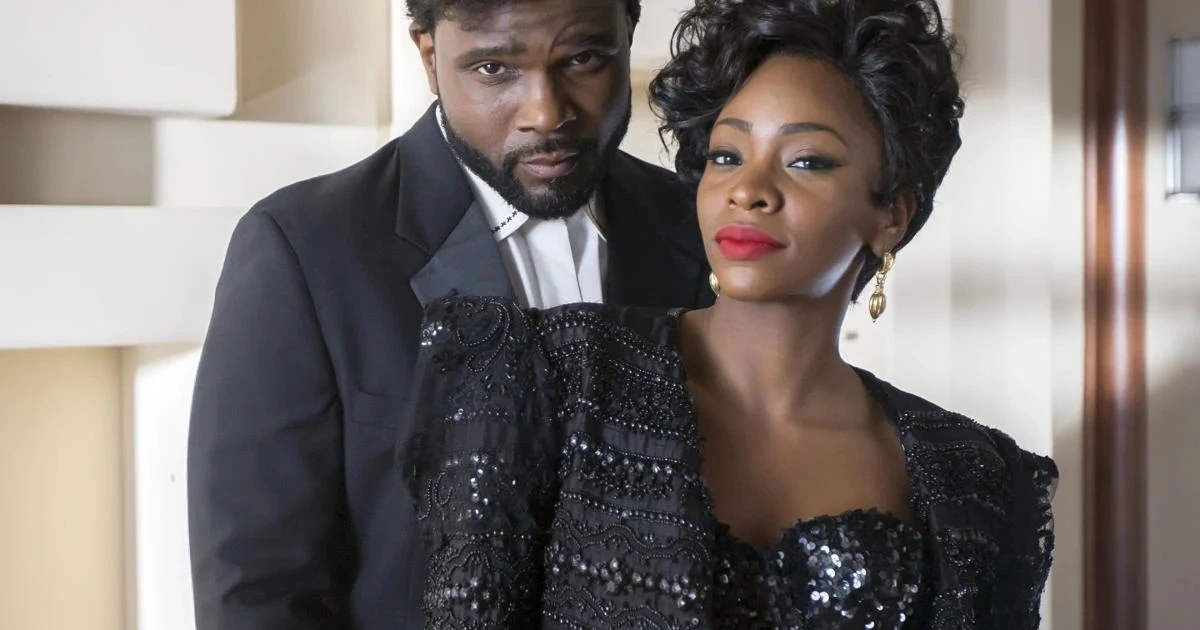
Miki Howard is a mother of three, including her son Brandon Howard — professionally known as B. Howard — who has pursued his own career as a singer and producer. Her personal relationships, most notably her romantic involvement with Gerald LeVert, became inseparable from her creative output, inspiring songs like “Love Under New Management,” “I’ll Be Your Shoulder,” and “Mister.”
Howard has spoken openly about the challenges she faced during and beyond her commercial peak, including difficult relationships, domestic violence, and struggles with substance abuse. These personal hardships temporarily disrupted her career momentum during the late 1990s, a period when she was also transitioning between record labels and navigating an industry undergoing seismic shifts from physical sales to digital distribution.
In 2014, public attention returned to Howard’s family when claims surfaced suggesting that her son Brandon might be Michael Jackson’s biological child. DNA testing results were disputed, and the claims remain unverified, but the media coverage briefly brought Howard back into the national spotlight.
Despite these challenges, Howard has demonstrated remarkable resilience — continuing to record, perform, and maintain a direct connection with her fan base. Like many artists of her era, she has spoken about the difficulties of navigating record label contracts and royalty structures, particularly as the music industry’s economics shifted beneath performers who built their careers in the pre-digital era. The transition from physical album sales to digital streaming dramatically altered income structures for artists of her generation, often reducing reliable revenue streams and making the kind of financial stability she has maintained all the more noteworthy.
Musical Legacy
Miki Howard’s impact on R&B extends well beyond financial metrics. Critics and fellow musicians recognize her as one of the most authentic voices the genre has produced — a vocalist whose contralto richness, jazz phrasing, and emotional honesty bridged gospel, soul, quiet storm, and jazz-influenced R&B in ways few of her contemporaries could match. Music historians regard her as a singer’s singer, admired as much by peers and vocalists who followed her as by the audiences who made her records into hits.
Her albums remain reference points for artists seeking to balance technical command with emotional vulnerability. Her Grammy-nominated tribute to Billie Holiday demonstrated versatility that expanded her audience beyond traditional R&B listeners, while her chart-topping hits proved she could deliver commercial recordings without sacrificing artistic integrity. She received the Lifetime Achievement Award from the Chicago Music Awards in 2012 and was nominated for an American Music Award for Favorite Soul/R&B Female Artist in 1991 — honors that reflect the respect she commands within the industry.
Her catalog continues to find new listeners through streaming, sampling, and the enduring appeal of songs that address universal themes of love, loss, and resilience. Financial figures alone cannot capture the full value of recordings that have soundtracked the lives of millions. Miki Howard’s true wealth lives in the emotional connections her voice created — connections that, four decades on, remain as powerful as the day they were first recorded. As new generations discover the soulful voice behind classics like “Come Share My Love” and “Ain’t Nobody Like You,” her place among R&B’s most valued vocalists continues to be secured — a distinction worth far more than any dollar amount could measure.