The talented singer-songwriter who captured Pharrell Williams’ attention during an NYU masterclass has transformed that viral moment into a thriving career built on artistic integrity and smart business decisions.
Here’s a closer look at Maggie Rogers’ net worth and how she built her impressive fortune through music, touring, and ownership.
What is Maggie Rogers’ Net Worth?
Maggie Rogers has an estimated net worth of $3 million. This figure represents her accumulated wealth from six albums, multiple world tours, streaming revenue, and strategic business decisions — most notably retaining ownership of her master recordings through her own imprint, Debay Sounds, under Capitol Records.
Her fortune has grown steadily since her 2016 breakthrough, with significant increases following each album cycle and accompanying tour. While $3 million might seem modest compared to mainstream megastars, it reflects an artist who prioritized creative control and long-term ownership over quick paydays — building wealth through diversified income streams rather than a single hit or a large label advance.
| Category | Details |
|---|---|
| Full Name | Margaret Debay Rogers |
| Net Worth | $3 Million (2026 estimate) |
| Date of Birth | April 25, 1994 |
| Age | 32 years (as of 2026) |
| Birthplace | Easton, Maryland, USA |
| Height | 5’7″ (170 cm) |
| Education | • NYU’s Clive Davis Institute of Recorded Music (Bachelor’s in Music Engineering and Production) • Harvard Divinity School (Master’s in Religion and Public Life, 2022) |
| Profession | Singer, Songwriter, Record Producer |
| Musical Styles | Pop, art pop, folk pop |
| Instruments | Harp, guitar, piano, banjo |
| Record Label | Capitol Records (through her own imprint, Debay Sounds) |
| Notable Albums | • The Echo (2012, independent) • Blood Ballet (2014, independent) • Now That the Light Is Fading (EP, 2017) — No. 4 US Heatseekers • Heard It in a Past Life (2019) — No. 2 Billboard 200 • Surrender (2022) • Don’t Forget Me (2024) |
| Hit Singles | • “Alaska” — No. 18 US Rock chart • “Light On” — No. 1 US AAA chart • “That’s Where I Am” |
| Tours | • 2019–2020 World Tour (130+ shows) • 2023–2024 “Surrender” Tour |
| Awards & Nominations | • Grammy nomination for Best New Artist (2020) • Billboard Women in Music Rising Star Award |
| Career Breakthrough | Viral video of Pharrell Williams reacting to her song “Alaska” during an NYU masterclass (2016) |
| Major Income Sources | • Music streaming • Concert tours • Merchandise sales • Brand partnerships • Music licensing and publishing |
| Major Assets | • Maine property (estimated $700,000–$850,000) • Residences in NYC and LA • Music publishing rights • Investments in music-tech startups |
| Social Media Presence | Strong following across Instagram, TikTok, and Twitter |
| Philanthropy | Environmental causes, reproductive rights, and music education programs |
| Business Ventures | Debay Sounds (own imprint); selective brand partnerships with sustainable fashion and music equipment companies |
| Financial Outlook | Projected net worth of $5–7 million by 2027 |
| Interesting Fact | Picked up the harp at age seven; won Berklee College of Music’s songwriting contest while still in high school |
| Lifestyle | Relatively modest compared to other celebrities; focuses on sustainability |
Singer-Songwriter Journey
Long before she had any net worth to speak of, Maggie Rogers was a kid from Easton, Maryland, picking up the harp at age seven. By junior high, she had added piano and guitar to her growing list of instruments. In high school, she was singing in the choir, playing in the orchestra and jazz band, teaching herself to program beats, and picking up the banjo — the instrument that would eventually shape her earliest songwriting.
Her talent showed early. Rogers attended a summer program at the Berklee College of Music during high school and won its songwriting contest — a clear sign of what was to come.
She went on to study music engineering and production at NYU’s Clive Davis Institute of Recorded Music, where a masterclass with Pharrell Williams would change the course of her career. Years later, she completed a master’s degree in religion and public life at Harvard Divinity School in 2022, deepening her understanding of music’s spiritual and communal dimensions.
Before the viral fame, Rogers had already self-released two independent albums: The Echo (2012) and Blood Ballet (2014). She was building a small but loyal following, blending folk songwriting with electronic textures into a sound that didn’t quite fit any single genre.
But by her final year at NYU, she had hit a creative wall. Then came “Alaska.”
The Viral “Alaska” Moment
The turning point in Rogers’ financial and creative journey came during a masterclass at NYU in 2016. She had been struggling with writer’s block for nearly two years — a deeply frustrating stretch for someone who had been writing songs since childhood.
When she finally broke through with “Alaska,” she played it for producer Pharrell Williams during the class. His reaction was captured on video and quickly went viral.
“I have zero notes for that… and I’ve never had zero notes.”
Pharrell called Rogers “singular” — adding that he had never heard anything that sounded like it. He described the experience of listening to her music as something completely new, a reaction that resonated with millions of viewers once the clip spread online.
The video collected millions of views within days, transforming Rogers almost overnight from an NYU student into one of the most talked-about new voices in music. The exposure attracted major label interest, and she signed with Capitol Records — a deal reportedly worth several hundred thousand dollars, structured through her own imprint, Debay Sounds, which gave her something most new artists don’t get: ownership of her master recordings.
“Alaska” went on to gather over 100 million Spotify streams and peaked at No. 18 on the US Rock chart. More importantly, the viral moment opened the door to touring opportunities, brand partnerships, and media appearances that would form the financial foundation of her career.
Career Growth and Album Success
Rogers’ debut EP, Now That the Light Is Fading (2017), reached No. 4 on the US Heatseekers chart and served as a proper introduction to a broader audience. Her single “Light On” from the same era climbed to No. 1 on the US AAA chart — her first chart-topper on any format.
Her debut major-label album, Heard It in a Past Life (2019), was the real commercial breakthrough. It debuted at No. 2 on the Billboard 200, with first-week sales of 49,000 album-equivalent units. The album also charted at No. 8 in Australia and No. 10 in Canada, establishing Rogers as an international act with staying power.
Her 2019–2020 world tour — spanning over 130 shows, including major festivals like Coachella and Glastonbury — proved even more significant for her bottom line. After expenses, touring became the single largest contributor to her net worth.
Her Grammy nomination for Best New Artist in 2020 further increased her visibility and booking value, opening doors to higher-profile festival slots and private event appearances.
The momentum continued with Surrender (2022), which broadened her sound and deepened her artistic reputation. Her follow-up, Don’t Forget Me (2024), marked a more personal and stripped-back chapter — written during a period of reflection and released to strong critical reception. Each album cycle has added new layers to both her catalog and her earning potential.
Her 2023–2024 “Surrender” tour played larger venues with higher ticket prices, reflecting her growing stature as a headlining act.
Income Sources
Maggie Rogers’ net worth of $3 million comes from multiple income streams — a necessity in an era when album sales alone rarely sustain a career. Here’s how the money flows:
- Music Streaming: With a catalog spanning six releases and billions of total streams across platforms, Rogers earns steadily from Spotify, Apple Music, and YouTube. Her most popular tracks — “Alaska,” “Light On,” and “Fallingwater” — continue to generate consistent monthly revenue years after release, creating a reliable long-tail income.
- Touring and Merchandise: Concert tickets typically range from $45–$85, with 5,000–10,000 tickets sold per show in major markets. Merchandise adds roughly $10–$15 per ticket to revenue. After production costs, crew, travel, and venue expenses, touring remains the single largest contributor to Rogers’ wealth.
- Music Licensing: Rogers’ sound has been described by music supervisors as highly “syncable” for film and television. Placements in shows and commercials typically pay between $10,000 and $50,000 depending on usage — and her catalog’s versatility makes it a frequent choice for media projects.
- Brand Partnerships: Selective collaborations with sustainable fashion and music equipment brands add an estimated $200,000–$300,000 annually. Rogers is particular about these deals, prioritizing alignment with her values over maximum payout.
- Publishing and Royalties: As an owner of her publishing rights — a rarity for artists at her level — Rogers receives a larger share of royalties whenever her songs are streamed, licensed, or covered. This ownership model, facilitated through Debay Sounds, is one of the most important long-term wealth builders in her portfolio.
Assets and Investments
Beyond music earnings, Rogers has made strategic decisions that contribute to her overall financial picture.
She purchased a property in Maine valued at approximately $700,000–$850,000 — a deliberate choice that reflects her preference for privacy and nature over urban celebrity culture. She also maintains residences in New York City and Los Angeles, though whether these are owned or rented remains unclear.
Financial sources suggest Rogers has invested in music-tech startups focused on artist sustainability, though specific companies remain undisclosed. These investments align with her broader advocacy for artist rights and ownership — the same principles behind her Debay Sounds imprint.
Unlike many celebrities at her level of fame, Rogers maintains a relatively modest lifestyle — driving a mid-range vehicle and favoring vintage or sustainable fashion over luxury labels. This restraint suggests a focus on building long-term wealth rather than spending for appearances.
Lifestyle and Personal Investments
Rogers’ spending habits reflect her values more than any celebrity playbook.
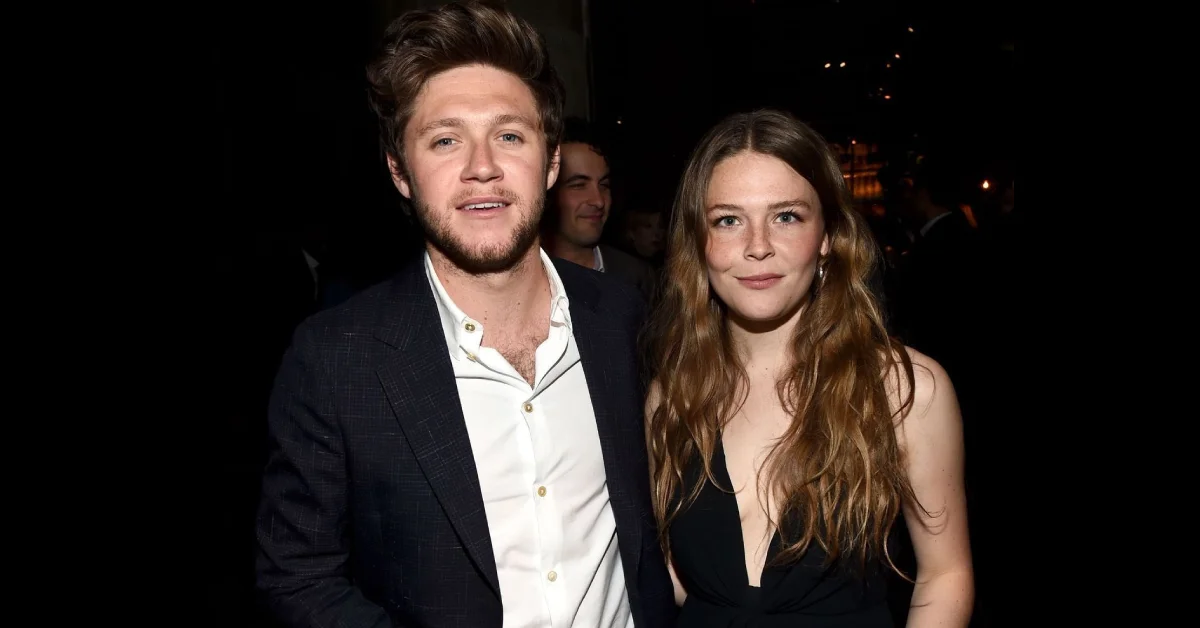
Education has been one of her most significant personal investments. Her master’s degree at Harvard Divinity School, where she studied religion and public life, likely cost between $50,000 and $100,000, including living expenses. While unusual for a working musician, it reflects Rogers’ commitment to intellectual growth alongside her artistic career.
Professional expenses also take a meaningful cut. Her team — manager, booking agent, publicist, and attorney — collectively claims an estimated 15–25% of her gross income. Studio time, equipment, and production costs add further overhead.
Where Rogers does spend freely is on her live performances. She invests heavily in sound quality and stage production — an expense that doesn’t just enhance the audience experience but builds the kind of fan loyalty that sustains long-term ticket sales and streaming engagement.
Legal and Business Standing
Rogers’ net worth has benefited from a clean legal record and smart contract decisions. There are no public records of copyright disputes or contract battles that might have drained her finances.
Her Capitol Records deal, structured through Debay Sounds, gives her more favorable terms than a standard new-artist contract. Industry insiders estimate she receives a royalty rate in the range of 15–20% on recorded music after recouping advances — slightly better than typical deals, partly due to the leverage her viral breakthrough provided.
Most importantly, Rogers appears to own her publishing rights — an increasingly valuable and rare position in the streaming era. This means a larger share of royalties flows directly to her whenever her songs are played, licensed, or covered.
Looking ahead, several factors could accelerate her financial growth:
- As her catalog expands, passive income from streaming and licensing will naturally increase, providing stability between album cycles.
- Her primarily young adult fanbase with disposable income makes her valuable to sustainable brands willing to pay premium rates for authentic partnerships.
- Music supervisors continue to consider her sound highly “syncable,” suggesting untapped potential in licensing revenue as her catalog grows.
Industry forecasters project her net worth could reach $5–7 million by 2027 if current trends continue.
Final Thoughts
Maggie Rogers’ $3 million net worth represents a modern model of music-industry success — built on creative authenticity, strategic ownership, and sustainable growth rather than manufactured image or viral flash-in-the-pan fame.
From picking up a harp at age seven in rural Maryland to studying at Harvard, from a viral masterclass video to sold-out arena tours, her financial journey tells a story that’s as much about values as it is about money.
For aspiring artists, the lessons are clear: diversify income streams, maintain ownership when possible, build genuine fan connections, and think long-term.
Perhaps most tellingly, Rogers’ approach to wealth seems perfectly aligned with her artistic philosophy. Money is a tool that enables creative freedom — not an end goal. That mindset has allowed her to make decisions based on artistic merit rather than financial pressure, building a career and a fortune that continue to grow on her own terms.