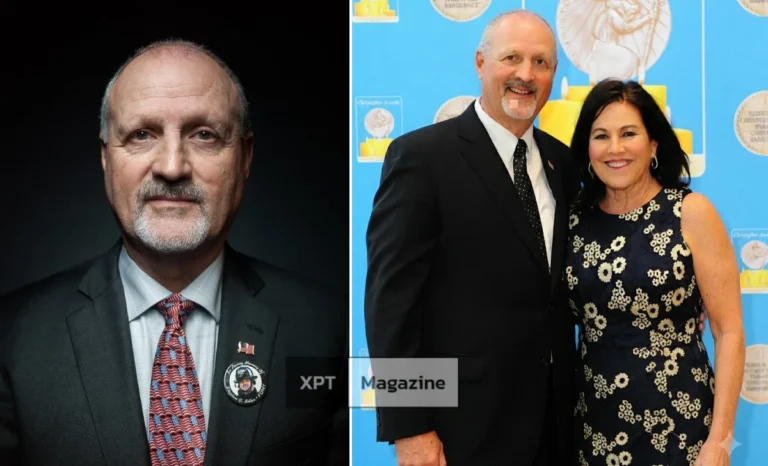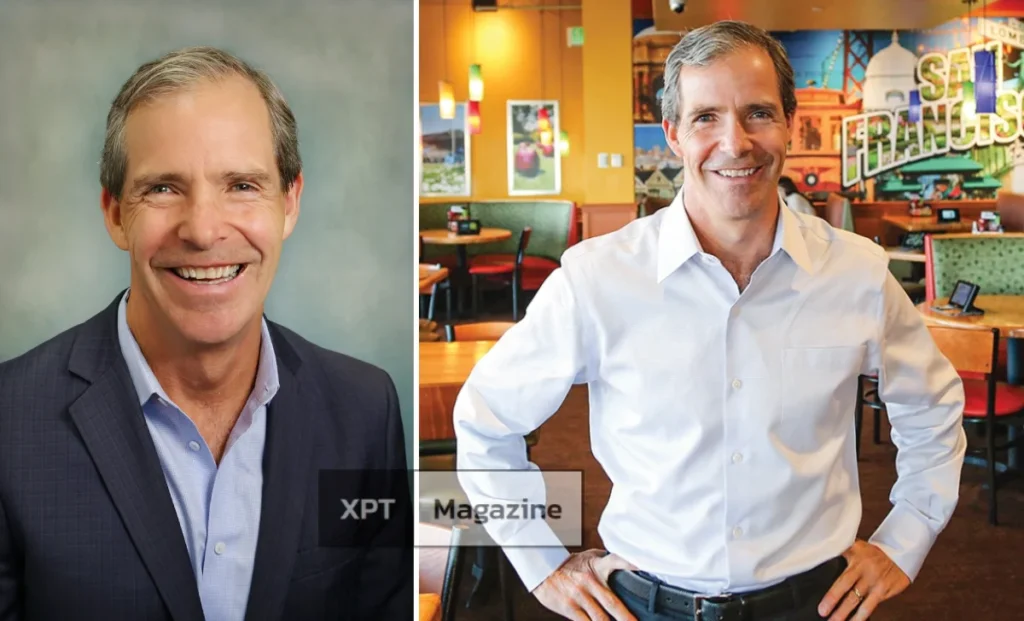
Greg Flynn started with eight Applebee’s restaurants in 1999. Today he runs more than 2,600 restaurants and fitness clubs across seven major brands. Greg Flynn’s net worth in 2026 reflects one of the quietest yet most powerful success stories in American franchising.
He is the founder, chairman, and CEO of Flynn Group LP, the largest franchise operator in the world and the third largest restaurant operator in the United States. His company brings in $4.6 billion in annual revenue and employs more than 75,000 people across 44 states and Australia. From Applebee’s to Taco Bell to Planet Fitness, Flynn’s name sits behind some of the most familiar brands in the country, even if his own face rarely does.
Who is Greg Flynn?
Greg Flynn built his career on a simple idea. Instead of starting his own restaurant chain, he bought into ones that already worked. That decision turned him into the biggest franchisee on the planet.
His company oversees Applebee’s, Arby’s, Taco Bell, Panera Bread, Pizza Hut, Wendy’s, and Planet Fitness locations. What began as a modest purchase of eight Applebee’s in Seattle in 1999 grew into a business empire spanning thousands of storefronts. Flynn Group now generates $4.6 billion each year and keeps more than 75,000 people employed.
Greg Flynn Age
Greg Flynn was born around 1964 in Ross, California, a small town in Marin County. That places him at roughly 61 or 62 years old in 2026.
He grew up as the youngest of three children and the only boy in his family. His mother, Roberta, worked as a homemaker and also wrote science fiction, with stories published in Amazing Stories. His father, Donald, worked as a tax lawyer and owned two Burger King locations in San Francisco.
Flynn showed business instincts early. At just 10 years old, he bought fruit wholesale and sold it door to door to housewives in his neighbourhood. That early hustle would later turn into one of the largest franchise operations in the country.
Greg Flynn Early Life and Education
Flynn’s academic background stands out in an industry where it is rare. He earned an AB degree magna cum laude from Brown University, followed by a master’s degree from Yale University, then an MBA from the Stanford Graduate School of Business.
While at Brown, he received a Rotary Foundation scholarship to study at the University of Queensland in Australia. There, he completed a graduate degree in literary studies, writing his thesis on Alexander Hamilton. He has credited an uncle as his greatest mentor and spent much of his early life focused on school before turning to business.
This mix of an Ivy League education and hands-on family experience in franchising gave Flynn a rare combination of skills. Few people running restaurant chains carry degrees from three top universities, and that background shaped how he approached scaling a company most people had never heard of.
Greg Flynn: Restaurant Franchise Mogul
How Greg Flynn Built His Franchise Empire
The real turning point came in 1997. Flynn’s father bought a villa in Corfu and needed $2 million sent from San Francisco. Greg, who was already helping run his father’s two Burger King locations, arranged the loan against franchise receivables at 8% interest. That single transaction showed him just how much cash flow a franchise business could generate.
Two years earlier, in 1995, Flynn had made his first move into the restaurant world as an angel investor in World Wrapps, a fast-casual wrap concept started by a Stanford classmate. That experience taught him something important: being a franchisee, not an independent restaurant owner, was the smarter path.
In 1999, he bought his first eight Applebee’s restaurants in Seattle. He kept buying more, eventually becoming Applebee’s largest franchisee with 458 restaurants spread across 26 states. Goldman Sachs backed him early on, around 2001, and the Ontario Teachers’ Pension Plan later joined as an investor, giving him the capital to keep growing. Anyone who invested alongside Goldman Sachs at that point and held on would have seen their money grow 26 times over, during a stretch when the S&P 500 didn’t even double.
How Many Restaurants Does Greg Flynn Own?
Flynn Group now owns and operates more than 2,600 restaurants and fitness clubs. The brand breakdown includes 458 Applebee’s, 369 Arby’s, 283 Taco Bell, and 135 Panera Bread locations, along with more than 940 Pizza Hut restaurants plus additional Wendy’s and Planet Fitness locations.
That Pizza Hut business alone makes Flynn Group the largest franchisee in the entire Pizza Hut system, bringing in $940 million in annualised sales. The December 2018 purchase of all 368 Arby’s locations from U.S. Beef Corp pushed Flynn Group past $2 billion in sales, making it the first privately held franchise operator to hit that mark. That followed an earlier milestone in 2012, when Flynn became the first U.S. franchisee to reach $1 billion in revenue.
Flynn’s Impact on the Franchise Industry
Before Flynn came along, most franchisees ran a handful of local locations. He changed that model completely, building a new class of large, well-funded, privately owned operators that other companies had never seen before.
Applebee’s is a good example of this shift. The chain once worried about how large Flynn had grown, but now depends on him. Applebee’s owns zero of its own restaurants today, running instead on just 31 franchisees for its 1,873 U.S. locations, with Flynn by far the biggest among them.
His operating approach works on what he calls a state and federal model. Local market presidents run day-to-day operations in their regions, while the corporate side provides resources and holds everyone to consistent standards. That structure has produced more than 20 years of growth above 30% annually.
Greg Flynn Net Worth
How Much is Flynn Group Worth?
Forbes once estimated Flynn Restaurant Group’s value at around $1.5 billion, putting Flynn’s personal stake at roughly $200 million. That figure, however, came from a time when the company ran about 800 locations.
Given that Flynn Group has since grown to more than 2,600 units and now pulls in $4.6 billion a year in sales, the company’s true value today is almost certainly much higher. Flynn has kept his company private, and no updated public valuation currently exists. That privacy appears to be a deliberate choice rather than an oversight.
Greg Flynn Income Sources
Flynn’s wealth comes mainly from his franchise operations. The $4.6 billion in yearly revenue spread across Applebee’s, Taco Bell, Panera, Arby’s, Pizza Hut, Wendy’s, and Planet Fitness makes up the bulk of his income.
Real estate adds another layer. Flynn Properties Inc, part of his broader holdings, has acquired more than 3 million square feet of commercial real estate. He also holds stakes in luxury resort properties in Los Cabos, Napa Valley, and Telluride.
Institutional partnerships with Goldman Sachs and the Ontario Teachers’ Pension Plan gave him the leverage needed to expand at the scale he has. Those relationships remain a key part of how Flynn Group continues to grow.
Greg Flynn Life Partner and Family
Greg Flynn Wife
Greg Flynn is married to Julie Flynn. Together, they have three children.
Greg Flynn Children
The couple has twin sons, Jamie and Michael, along with a daughter named Sarah. Based on their ages in an earlier profile, when the twins were 21 and Sarah was 18, the children were likely born between 1997 and 2000.
Where Does Greg Flynn Live?
Flynn is based in San Francisco, California. His office sits on the 18th floor of the historic Standard Oil Building downtown, a property he has bought and sold twice over the years.
He grew up in Ross, a small town in Marin County just north of the city, before eventually settling in San Francisco to run his growing business.
Greg Flynn Personal Life and Lifestyle
Those who have met Flynn describe him as wiry and intense, with bright blue eyes and a habit of speaking quickly while using his hands to emphasise points. He stays physically active and once ran San Francisco’s Bay to Breakers 12K race while recovering from a broken shoulder he suffered mountain biking.
His office reflects his interests, decorated with African and Asian masks alongside plaques marking major business deals. When it comes to conflict, Flynn avoids it. He has said he holds a strict policy of never fighting with a franchisor, preferring to exit a system entirely before entering a dispute.
That mix of charm and business sense goes back to his childhood. He launched his first business, selling fruit door to door, at just 10 years old, and that entrepreneurial streak never left him.
Career Highlights
- 1995: Made his first restaurant investment as an angel investor in World Wrapps
- 1999: Purchased his first eight Applebee’s locations in Seattle
- 2001: Received investment backing from Goldman Sachs
- 2012: Became the first U.S. franchisee to reach $1 billion in annual revenue
- 2018: Acquired 368 Arby’s locations from U.S. Beef Corp, becoming the first private franchise operator to top $2 billion in sales
- Present: Flynn Group operates more than 2,600 locations, generates $4.6 billion in annual sales, and employs over 75,000 people across 44 states and Australia
Flynn now ranks as the largest restaurant franchisee in the United States and the third largest restaurant operator overall, trailing only Starbucks and Chipotle.
Greg Flynn Franchise Philosophy and Leadership
Flynn’s success comes down to persistence and the ability to persuade. He gives his managers the freedom and funding to run their restaurants well, knowing that small improvements repeated across hundreds of locations add up to real revenue gains.
At Applebee’s locations owned by Flynn Group, torn seats get replaced fast, and extra bartenders get hired when needed. The company runs on what it calls an Own It approach, giving local market presidents authority while keeping corporate standards high across every brand.
He also values cooperation over conflict with the franchisors he works with, holding a seat on Applebee’s franchise business council to keep a voice in how decisions get made. His executive team has stayed together for more than 20 years, giving the company a level of consistency that’s rare in the industry.