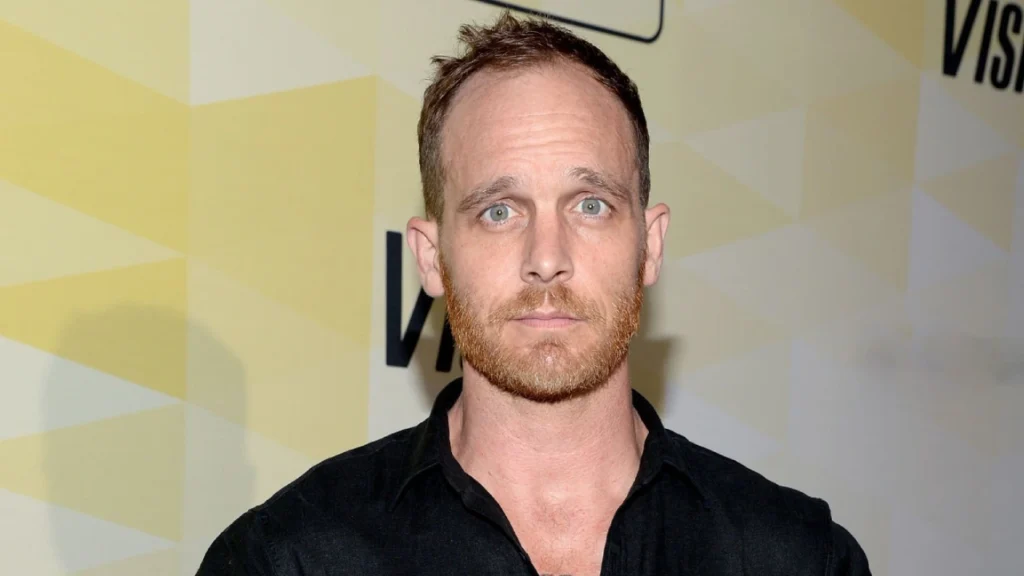
Ethan Embry has a net worth of approximately $2 million. The American actor built his wealth through a three-decade career spanning film and television, with notable roles in “Can’t Hardly Wait,” “Sweet Home Alabama,” and “Grace and Frankie.” His earnings stem from over 80 acting credits across multiple entertainment platforms.
Ethan Embry carved out a successful Hollywood career that spans more than 30 years. From child star to respected character actor, he’s appeared in dozens of films and television shows that defined multiple generations of entertainment.
But what’s his financial position today?
Embry’s net worth stands at roughly $2 million—a figure that reflects steady work in an unpredictable industry. Unlike many teen stars who burned out, he transitioned into adult roles and maintained consistent employment. His story shows how an actor can build lasting wealth through versatility and persistence rather than blockbuster paydays alone.
How Ethan Embry Built His $2 Million Fortune
Embry’s wealth comes from decades of consistent work across film, television, and voice acting. He didn’t chase the biggest paychecks—he built a career on volume and variety.
His early films, like “Dutch” and “A Far Off Place,” established him as a reliable child actor. The mid-1990s brought his most commercially successful projects. “Empire Records” became a cult classic. “That Thing You Do!” reached mainstream audiences. “Can’t Hardly Wait” turned him into a teen comedy icon.
These films didn’t make him rich overnight. Child actors rarely earn the salaries of established stars. But they created a steady income and opened doors to bigger opportunities.
Television became his financial anchor. Series work provides consistent paychecks that movie roles can’t match. His main roles on “Brotherhood,” “Grace and Frankie,” and recurring appearances on “Sneaky Pete” delivered stable income over multiple seasons. “Grace and Frankie” alone ran for seven seasons on Netflix—a significant earnings period.
Film roles continued throughout his career. He appeared in “Sweet Home Alabama,” which grossed over $120 million domestically. He took character parts in films like “Harold & Kumar Go to White Castle,” “Vacancy,” and “First Man.” These weren’t leading roles, but they added up.
Voice acting supplemented his income. He lent his voice to animated series, including “Batman Beyond” and “The Wild Thornberrys.” Voice work often pays less than on-camera roles but requires less time commitment.
His strategy was simple: Embry chose consistency over holding out for star vehicles. That approach built steady wealth even without landing major franchises or blockbusters.
Career Highlights That Defined His Earnings
Several projects stand out as financial turning points in Embry’s career.
- “Can’t Hardly Wait” (1998) put him in the spotlight as a leading man. The teen comedy performed well at the box office and became a home video staple. This role increased his market value and led to more leadership opportunities.
- “Sweet Home Alabama” (2002) reunited him with Reese Witherspoon in a major studio rom-com. The film’s commercial success—grossing over $180 million worldwide—raised his profile among mainstream audiences. Even supporting roles in hits like this boost an actor’s future earning potential.
- “Brotherhood” (2006-2008) marked his first significant television starring role as an adult. Showtime’s crime drama gave him steady work for three seasons. Premium cable series typically pay more than network shows, making this a crucial financial period.
- “Grace and Frankie” (2015-2022) became his longest-running series. Playing Coyote Bergstein across seven seasons on Netflix provided consistent income for seven years. Streaming series often include backend deals and residuals that continue paying long after filming ends.
- “Cheap Thrills” (2013) showed his range as a dramatic actor. While indie films pay less upfront, they often lead to more challenging roles. This performance earned critical praise and demonstrated his ability to carry complex material.
These projects didn’t just pay well—they kept him relevant. Each success led to the next opportunity, creating a sustainable career arc.
From Child Star to Working Actor
Embry started acting at age 12 under the name Ethan Randall. His mother homeschooled him, allowing him to pursue acting full-time from an early age.
His film debut came in Albert Brooks’ “Defending Your Life” in 1991. That same year, he appeared in “Dutch” alongside Ed O’Neill and “All I Want for Christmas.” Child actors typically earn modest salaries compared to adults, but these roles established his professional credentials.
The 1990s became his breakthrough decade. He worked constantly—six films released in 1998 alone. This work ethic set him apart from peers who struggled to transition into adult roles.
Many child stars face career challenges as they age out of juvenile parts. Embry avoided this trap by pursuing diverse projects. He didn’t get typecast. He moved between comedy, drama, horror, and action without getting stuck in one genre.
His willingness to take supporting roles kept him employed. Rather than waiting for leading-man opportunities that might never come, he built a resume of solid character work. This approach proved financially smarter than holding out for stardom.
By his early 20s, Embry had transitioned successfully into adult roles. He wasn’t a household name, but he was working—and in Hollywood, working consistently beats brief fame followed by obscurity.
Television Career and Steady Income
Television provided Embry with financial stability that films couldn’t guarantee. Series work meant regular paychecks for months or years at a time.
His first TV lead came in 1999 with the CBS sitcom “Work with Me.” The show lasted only one season, but it proved he could carry a series. Network television roles typically pay well, even for short-lived shows.
“FreakyLinks” followed in 2000-2001 on Fox. The sci-fi series gave him another lead role, though it also ended after one season. These early series taught him how television production worked while building his TV resume.
“L.A. Dragnet” in 2003 provided another short-term opportunity. Pattern recognition matters here—Embry kept landing series even when previous shows ended quickly. Networks and producers clearly valued his work ethic and professionalism.
“Brotherhood” broke the pattern. The Showtime drama ran three seasons from 2006 to 2008. Premium cable shows pay more than broadcast networks. This series likely represented his highest earnings per episode up to that point.
Guest appearances supplemented his income. He showed up on popular series like “House,” “CSI: Miami,” “Grey’s Anatomy,” and “The Walking Dead.” These one-episode roles pay less than series regular positions but keep actors visible and earning between bigger projects.
“Once Upon a Time” brought him back to recurring work in 2013. His role as Greg Mendell connected him to ABC’s fantasy hit. Recurring roles provide multiple episode fees without the full-season commitment of being a series regular.
“Sneaky Pete” and “Grace and Frankie” overlapped from 2015 onward. Working on two series simultaneously maximized his earnings. “Grace and Frankie” became his most financially significant television role—seven seasons on a major streaming platform meant sustained high earnings.
Personal Life and Financial Decisions
Embry was born in Huntington Beach, California, in 1978. His father worked as a dental technician, giving him a middle-class upbringing rather than industry connections.
He married actress Amelinda Smith in 1998. They had one child before divorcing in 2002. Divorce typically impacts finances through settlements and child support, though specific details of their arrangement aren’t public.
In 2005, he married actress Sunny Mabrey. They divorced in 2012, reconnected in 2013, and remarried in 2015. Multiple marriages involve legal expenses and financial arrangements that affect net worth.
Embry and Mabrey maintain homes in Los Angeles and Atlanta. Real estate represents a significant expense, especially in Los Angeles, where property costs run high. Owning two homes suggests careful financial management despite the expense.
In 2006, Embry and Mabrey were robbed at gunpoint in their driveway—a traumatic experience but likely not a major financial loss compared to ongoing living expenses.
In 2008, he settled a lawsuit with a former model injured in a motorcycle accident in 2005. Legal settlements can be costly, but settling avoids potentially larger jury awards.
Embry has been open about past struggles with addiction. Treatment and recovery programs represent financial investments, though he hasn’t publicly discussed specific costs. His openness about these challenges has made him relatable to fans facing similar issues.
Recent Projects and Current Work
Embry continues working steadily. He appeared in “Blindspotting” in 2018, a critically acclaimed indie film that premiered at Sundance. Indie projects rarely pay blockbuster salaries but maintain artistic credibility.
“First Man” in 2018 gave him a small role in a major Damien Chazelle film. Playing astronaut Pete Conrad in a biographical drama showed his continued ability to land roles in prestigious projects.
“Last Seen Alive,” released in 2022, paired him with Gerard Butler in an action thriller. These mid-budget action films provide decent paychecks for supporting actors.
His television work continues as well. He appeared on the DC Comics series “Stargirl” and “Gotham Knights” in recent years. Superhero shows attract large audiences and typically pay competitive rates.
“Grace and Frankie” wrapped in 2022 after its seventh season. Losing a steady series role creates financial transitions, but Embry’s track record suggests he’ll continue finding work.
At 46, he’s positioned in the sweet spot for character actors—old enough to play authority figures, young enough for action roles, experienced enough to be reliable. This versatility should keep him employed as he enters his late 40s and 50s.
What Ethan Embry’s Net Worth Reveals About Hollywood
Embry’s financial story illustrates important truths about acting careers.
First, steady work beats intermittent stardom. Actors who work consistently across decades accumulate more wealth than those who have brief moments of fame followed by obscurity. Embry chose projects based on steady employment rather than only pursuing prestigious or high-paying roles.
Second, television provides financial stability that films don’t. Series work means guaranteed income for extended periods. His longest-running shows contributed more to his net worth than individual films.
Third, versatility matters. Embry moved between genres, formats, and role types. This flexibility kept him employable as industry trends shifted. Actors who can only play one type of character face limited opportunities.
Fourth, managing expectations leads to longer careers. Embry didn’t position himself as a leading man after teen stardom faded. He embraced character work and supporting roles. This adaptability prevented the career stalls that derail actors who refuse to adjust their self-perception.
Fifth, personal choices affect finances. Multiple marriages, legal issues, and lifestyle decisions all impact net worth. Embry’s relatively modest wealth compared to his decades of work suggests either conservative spending or significant personal expenses over the years.
Conclusion
Ethan Embry’s $2 million net worth reflects a successful three-decade career built on steady work rather than blockbuster stardom. From child actor to respected character performer, he navigated Hollywood’s challenges through versatility and persistence.
His earnings came from diverse sources—90s teen comedies, mainstream films, indie projects, television series, and voice work. The strategy worked because he never stopped working. When one show ended, another began. When films dried up, television provided income.
His financial position is solid for a working actor who never achieved A-list status. He owns multiple properties, continues landing roles, and maintains industry relevance at 46. That’s success by any reasonable measure.
Embry’s story offers a blueprint for sustainable acting careers: stay employed, stay flexible, and build wealth through volume rather than waiting for the one big break. It’s not glamorous, but it works—and three decades later, he’s still in the game.