
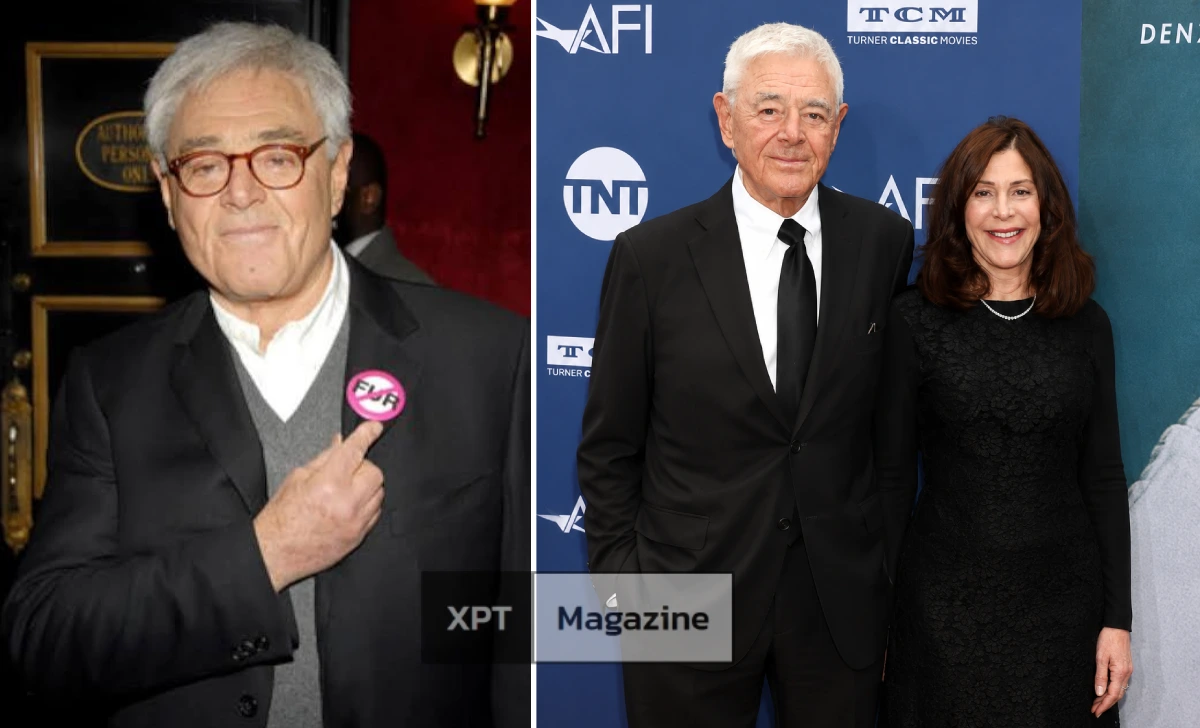
Richard Donner spent more than sixty years in Hollywood, and few directors can claim to have shaped as many genres as he did. He made audiences believe a man could fly in “Superman,” turned two mismatched cops into one of cinema’s most beloved duos in “Lethal Weapon,” and sent a group of kids on a treasure hunt that still gets replayed at sleepovers decades later.
Donner never stuck to one lane. He moved between horror, superhero epics, buddy-cop action, comedy, and family adventure, often within the same decade, and made each one work. This article covers his life, his most important films, his working partnerships, his net worth, and the legacy he left behind when he died in 2021.
Quick Facts
| Full Name | Richard Donald Schwartzberg |
| Born | April 24, 1930, The Bronx, New York City |
| Died | July 5, 2021, West Hollywood, California (age 91) |
| Occupation | Film director, film producer, television director |
| Years Active | 1957 to 2021 |
| Known For | Superman, The Goonies, Lethal Weapon series, The Omen |
| Spouse | Lauren Shuler Donner (married 1985) |
| Education | New York University |
| Estimated Net Worth | $100 million to $200 million (estimate, not officially disclosed) |
Who Was Richard Donner?
Quick Biography
Richard Donner was born Richard Donald Schwartzberg on April 24, 1930, in the Bronx, New York. He died on July 5, 2021, in Los Angeles at age 91. Over a career that started in television in the late 1950s and continued into the 2000s, he directed more than 20 feature films and produced dozens more through the company he ran with his wife, Lauren Shuler Donner.
Why Richard Donner Is Best Known
Ask a film fan to name a Richard Donner movie, and you will likely hear “Superman,” “Lethal Weapon,” or “The Goonies” first. Those three titles alone cover three different genres, which says a lot about his range. He is also remembered for “The Omen,” the film that got him his shot at directing a major studio picture in the first place.
Career Snapshot
Donner directed his first feature in 1961, broke through with “The Omen” in 1976, redefined comic book movies with “Superman” in 1978, then spent the 1980s and 1990s building the “Lethal Weapon” franchise while producing films like “Free Willy” and the “X-Men” series. He kept working until 2006, when he released his final film, “16 Blocks.”
Early Life and Education
Birth and Family Background
Donner grew up in the Bronx in a Jewish family and later moved with his parents to New Rochelle, New York. His father worked selling furniture, a detail Donner mentioned occasionally in interviews about his path into show business.
Childhood and Early Interests
As a kid, Donner gravitated toward performing rather than film production. He acted in school plays and carried that interest into young adulthood, initially aiming for a career on stage rather than behind a camera.
College Education
He attended New York University, where he studied business and theatre. That combination turned out to be useful later, since running a production company required exactly the mix of creative judgment and business sense he picked up at NYU.
Transition from Acting to Directing
Donner worked as a stage actor and appeared in off-Broadway productions before a chance encounter changed his career. While working alongside director Martin Ritt on “Edge of the City,” Ritt reportedly told him he could not take direction well as an actor but had the instincts to direct. Ritt brought him on as an assistant, and Donner said he never went back to acting after that.
Richard Donner’s Early Career
Beginning in Television
Donner’s first steady directing work came in television during the late 1950s and early 1960s, a period when TV production was expanding fast and needed directors who could work quickly and bring in episodes on schedule. He built a reputation as someone who delivered strong, efficient episodes across a wide range of shows.
Notable TV Shows He Directed
The Twilight Zone: Donner directed several episodes for the show’s original run, including “Nightmare at 20,000 Feet,” the William Shatner episode about a passenger who spots a creature on the wing of his plane. It remains one of the most referenced episodes in the show’s history.
Wanted: Dead or Alive: Donner directed episodes of this Steve McQueen western early in his career, and the working relationship with McQueen helped establish him as a director who could handle a leading man with a strong personality.
Perry Mason: He directed instalments of this long-running legal drama, adding courtroom procedurals to his growing list of television credits.
The Fugitive: Donner also worked on this hit drama, contributing to a series known for tight plotting and high production standards for its era.
Other television credits: His TV résumé also included “Gilligan’s Island,” “The Man from U.N.C.L.E.,” “Route 66,” “The Rifleman,” and “The Twilight Zone” successor anthology work, among others. This range shows he was comfortable across drama, comedy, western, and suspense formats well before he ever directed a studio film.
First Feature Films
Donner’s first feature film was “X-15” in 1961, a Cold War-era drama starring Charles Bronson and Mary Tyler Moore. He also directed films in Europe during the 1960s, including “Salt and Pepper” and “T-Twinkie” before returning his focus to American television and, eventually, American studio films.
Hollywood Breakthrough
Success with The Omen (1976)
“The Omen” gave Donner his real breakthrough as a feature director. Made on a modest budget, the horror film about a couple who unknowingly raise the Antichrist became a massive box office hit and proved Donner could handle a big theatrical release with confidence and control. That success is what put him in the running to direct a much bigger project soon after.
Directing Superman (1978)
Warner Bros. hired Donner to direct “Superman,” and he approached it with a level of seriousness the genre had not received before. He insisted on a “verisimilitude” approach, meaning the fantastical elements of the story needed to feel grounded and believable rather than campy. That philosophy shaped everything from the casting of Christopher Reeve to the tone of the script.
How Superman Redefined the Superhero Genre
Before “Superman,” comic book movies were treated mostly as kid-friendly novelties. Donner’s version had real stakes, genuine emotion, and a hero audiences could believe in, both physically and morally. The film’s tagline, “You’ll believe a man can fly,” was not an exaggeration. It set the template that superhero films still follow: treat the source material with respect, ground the fantasy in real emotion, and cast actors who can sell both the heroics and the humanity.
Richard Donner’s Most Famous Movies
Superman
The 1978 film remains Donner’s signature achievement. It launched Christopher Reeve’s career, introduced Gene Hackman as Lex Luthor, and established a version of the character that influenced every live-action Superman portrayal that followed.
Superman II and the Richard Donner Cut
Donner filmed a large portion of “Superman II” back-to-back with the first movie, but a dispute with producers Alexander and Ilya Salkind led to his removal from the project before it was finished. Richard Lester was brought in to complete it, and the theatrical version credited Lester alone. Years later, Warner Bros. released “Superman II: The Richard Donner Cut” in 2006, assembled largely from Donner’s original footage, giving fans a chance to see closer to his original vision.
The Goonies
Released in 1985 from a story by Steven Spielberg, “The Goonies” follows a group of kids chasing pirate treasure to save their neighbourhood from demolition. It became a defining film for a generation of viewers and remains one of the most rewatched adventure comedies of the 1980s.
Ladyhawke
This 1985 fantasy film starred Matthew Broderick, Rutger Hauer, and Michelle Pfeiffer in a medieval story about two lovers cursed to never be together in human form at the same time. It showcased Donner’s willingness to try genres outside his usual action and adventure work.
Scrooged
Donner directed this 1988 modern retelling of “A Christmas Carol,” starring Bill Murray as a cynical television executive visited by three ghosts. The film mixes dark comedy with genuine holiday sentiment and has become a seasonal favourite.
Maverick
Released in 1994, this western comedy starred Mel Gibson, Jodie Foster, and James Garner, based on the 1950s television series. It reunited Donner with Gibson and gave the director a chance to work in a lighter, comedic western tone.
Conspiracy Theory
This 1997 thriller paired Mel Gibson and Julia Roberts in a story about a paranoid taxi driver whose conspiracy theories turn out to have a basis in truth. It showed Donner could handle a tense, twist-driven thriller as well as he handled action and comedy.
Timeline
Based on the Michael Crichton novel, this 2003 science fiction adventure sent a group of archaeologists back to medieval France. It was one of Donner’s more ambitious later projects, blending history with speculative science.
16 Blocks
Donner’s final film as a director, released in 2006, starred Bruce Willis as a burned-out cop assigned to escort a witness to a courthouse over the course of a single day. The film received solid reviews and served as a fitting closing chapter to his directing career.
The Success of the Lethal Weapon Franchise
The Original Film
“Lethal Weapon” hit theatres in 1987 and paired Mel Gibson’s unpredictable, grief-stricken Riggs with Danny Glover’s steady, family-man Murtaugh. The chemistry between the two leads, combined with Donner’s confident handling of action sequences, made it an instant hit and a template for buddy-cop films for years afterwards.
Sequels and Franchise Growth
Three sequels followed in 1989, 1992, and 1998, each expanding the world and deepening the relationship between Riggs and Murtaugh. Donner directed all four films, keeping a consistent tone even as the series added new characters and larger set pieces.
Collaboration with Mel Gibson and Danny Glover
Donner’s relationship with Gibson extended well beyond “Lethal Weapon,” including “Maverick” and “Conspiracy Theory.” Glover and Donner also maintained a strong working relationship across all four “Lethal Weapon” films, with both actors crediting Donner’s direction for the series’ emotional depth alongside its action.
Influence on the Buddy-Cop Genre
“Lethal Weapon” set the standard that countless buddy-cop films tried to match: two opposite personalities forced to work together, genuine emotional stakes underneath the action, and humour that never undercuts the drama. Its fingerprints are visible in action-comedy films released well into the 2000s.
Richard Donner as a Producer
Partnership with Lauren Shuler Donner
Richard Donner married producer Lauren Shuler Donner in 1985. Together, they ran The Donners’ Company, a production entity responsible for a long list of successful films across multiple genres. Their partnership became one of the more enduring producing teams in Hollywood.
The Lost Boys
Donner produced this 1987 vampire film, which became a cult classic and helped define the look and tone of 1980s horror aimed at teen audiences.
Free Willy Series
Released in 1993, “Free Willy” was a major hit for The Donners’ Company, spawning sequels and an animated spinoff series. It remains one of the most recognised family films to come out of their production banner.
X-Men Franchise
Lauren Shuler Donner produced the “X-Men” film series, one of the most successful superhero franchises in film history, with Richard Donner’s production company closely tied to its early development and success.
Other Producing Credits
The Donners’ company also backed a wide range of other projects across film and television, reflecting a broader body of work than Richard Donner’s directing credits alone would suggest.
Richard Donner’s Directing Style
Storytelling Philosophy
Donner believed in grounding even the most fantastical stories in real human emotion. Whether he was directing a superhero, a group of kids on a treasure hunt, or two mismatched cops, he pushed for characters who felt like real people first.
Action and Adventure Filmmaking
His action sequences favoured clarity and stakes over spectacle for its own sake. Audiences always understood who was fighting, why it mattered, and what would be lost if the hero failed.
Character-Driven Narratives
Even in his biggest blockbusters, character relationships carried the story. The bond between Riggs and Murtaugh, or the friendship among the Goonies, mattered as much as any chase scene or explosion.Humourr, Suspense, and Emotional Depth
Donner rarely made a film that stuck to a single tone. “Lethal Weapon” mixes grief and comedy. “Scrooged” mixes dark satire with holiday warmth. That tonal balance became one of his signatures.
Lasting Influence on Modern Directors
Directors working in superhero and action films today still draw on Donner’s approach of treating fantastical material with emotional seriousness. His influence is visible in how modern blockbusters balance spectacle with character work.
FAQs
Who was Richard Donner?
Richard Donner was an American film director and producer known for “Superman,” “The Goonies,” and the “Lethal Weapon” series. He worked in Hollywood for over six decades, starting in television before moving into feature films.
What are Richard Donner’s most famous movies?
His most famous films include “Superman” (1978), “The Goonies” (1985), the “Lethal Weapon” series (1987 to 1998), “The Omen” (1976), and “Scrooged” (1988).
Did Richard Donner direct Superman?
Yes. Donner directed the original 1978 “Superman” film and shot a large portion of “Superman II” before a dispute with producers led to his removal from the sequel.
Why did Richard Donner leave Superman II?
A conflict with producers Alexander and Ilya Salkind over creative control and production decisions led to Donner being replaced by director Richard Lester before “Superman II” was finished.
What was Richard Donner’s cause of death?
Donner died on July 5, 2021, at age 91. A specific cause of death was not publicly disclosed by his family or representatives.
Who was Richard Donner’s wife?
Donner married producer Lauren Shuler Donner in 1985. The two ran The Donners’ Company together and remained married until his death.
What was Richard Donner’s net worth?
Public estimates place Donner’s net worth at the time of his death somewhere between 100 million and 200 million dollars, based on entertainment wealth-tracking sources rather than official disclosures.
What awards did Richard Donner receive?
Donner received a star on the Hollywood Walk of Fame in 2008 and the President’s Award from the Academy of Science Fiction, Fantasy & Horror Films, along with multiple lifetime achievement honours over his career.
What is Richard Donner’s legacy in Hollywood?
Donner is remembered for setting the template for serious, emotionally grounded superhero films with “Superman” and for shaping the buddy-cop genre with “Lethal Weapon.” His range across horror, action, comedy, and family films remains rare among directors.
Final Thoughts
Richard Donner’s career is a reminder that range and consistency are not opposites. He moved from horror to superhero epics to buddy-cop action to family adventure and made each genre feel like his own. Decades after his biggest hits first hittheatress, “Superman,” “The Goonies,” and “Lethal Weapon” still hold up, which says more about his skill as a storyteller than any single award ever could.
If you want to explore more of Hollywood’s most influential filmmakers and the stories behind their biggest films, keep browsing Kronix Magazine for in-depth biographies and entertainment coverage.