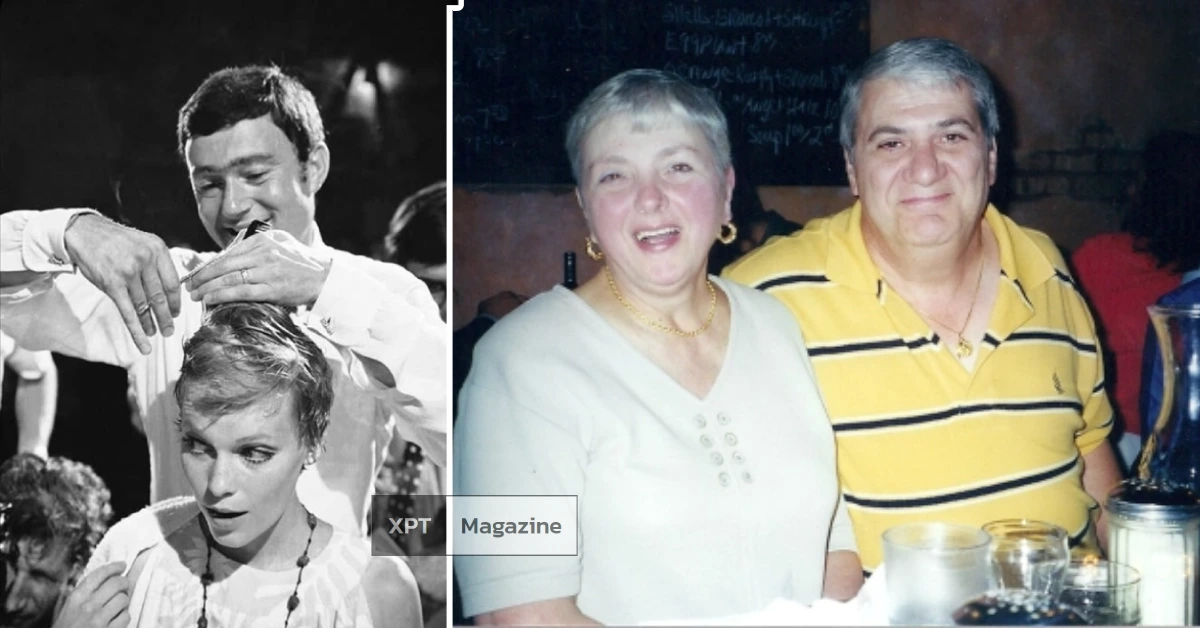
Gene Shacove (1929–2001) was a pioneering celebrity hairstylist who transformed the industry with innovative cuts and styles. Based in Beverly Hills, he served stars like Lucille Ball and Sharon Tate, and inspired Warren Beatty’s character in the 1975 film Shampoo. His legacy includes shifting focus from styling to precision cutting, influencing modern trends.
You’ve probably heard of the movie Shampoo, that sharp take on 1970s Hollywood excess. But did you know it drew straight from a real-life figure who shaped celebrity culture? Gene Shacove wasn’t just a hairstylist—he embodied the glamour and grit of LA’s golden era. Picture a guy cruising Rodeo Drive on a customized Harley, scissors in hand, ready to redefine your look.
Back in the day, hairstylists were behind-the-scenes workers. Shacove changed that. He turned the craft into a spotlight gig, blending skill with charisma. If you’re curious about how one man influenced Hollywood’s image, stick around. You’ll get the full story on his career highs, famous friends, and lasting impact—plus why his techniques still echo in salons today.
Early Days in Los Angeles
Growing up in Los Angeles during the 1930s set the stage for Shacove’s unconventional path. Born in 1929—sources pin it to either February or July—he came from a modest background that didn’t hint at future stardom. The city buzzed with film industry energy, and young Gene absorbed it all. He didn’t stumble into hairstyling by accident. As he later shared, he saw it as a smart way to connect with people, especially women. That straightforward motive kicked off a journey that would redefine his life.
Shacove started honing his skills in local spots before making his mark. By the 1950s, he was cutting hair with a fresh eye, moving away from rigid styles toward something freer. Think about it: postwar America craved change, and hair was no exception. He experimented early, creating looks that felt natural yet polished. This groundwork paid off when he opened his own salon in Beverly Hills, a move that put him right in Hollywood’s orbit.
What stands out here is how Shacove’s entry differed from today’s structured training paths. He learned on the job, adapting to clients’ needs without formal hype. If you’re thinking of switching careers, his story shows how passion and timing can align perfectly. No fancy degrees—just sharp instincts and a willingness to evolve.
Building a Beverly Hills Empire
Once Shacove set up shop on Rodeo Drive, things accelerated fast. His salon became a hub, not just for cuts but for social scenes. In the 1960s, he ran the Candy Store nightclub right below it, blending business with nightlife. Imagine finishing a trim and heading downstairs for drinks—that’s the vibe he created. It wasn’t all party, though. His real draw was the expertise.
He shifted the industry’s emphasis from elaborate updos to clean, modern cuts. Styles like the “Baby Doll” and “Genie” caught on quick, followed by “The Californian” in 1963—a sleek, short daytime look that transformed into evening elegance with a simple hairpiece. Actresses flocked to him for that effortless edge. Here’s the catch: while peers like Vidal Sassoon expanded globally, Shacove stayed local, focusing on quality over quantity. Some say the nightclub distracted him, but it also built his network.
Running a salon back then meant handling everything yourself. Shacove designed the interiors too, showcasing his artistic side. If you visit Beverly Hills today, echoes of his influence linger in upscale spots. For anyone in creative fields, his approach highlights balancing talent with lifestyle choices. He proved you could thrive without chasing every trend.
Star Clients and Signature Styles
Shacove’s client list reads like a Hollywood who’s who. Lucille Ball trusted him for her iconic red locks, while Marlene Dietrich sought his touch for timeless elegance. Joey Heatherton and Jill St. John became regulars, praising his loose, tousled cuts that screamed chic without effort. Even George Hamilton dropped in for trims, and Hugh Hefner got free styles at the Playboy Mansion—Shacove’s second home for decades.
But Sharon Tate’s connection adds a poignant layer. In the mid-1960s, he styled her during her rising days, capturing that fresh, youthful glow. Photos from his salon show her with those innovative looks, blending simplicity and star power. Shacove didn’t just cut hair; he listened, offering honest advice that built loyalty. One friend recalled his bluntness: he’d tell you straight if a style didn’t suit.
These relationships went beyond appointments. He mentored emerging stylists, sharing tips that shaped careers. If you’re a fan of retro glamour, try recreating his “Californian” at home—start with a blunt bob and add volume for night. His work reminds us that great style stems from understanding people, not just trends.
The Shampoo Connection and Film Ties
No Gene Shacove story skips Shampoo. The 1975 film, starring Warren Beatty as a charming, restless hairstylist, pulled directly from his life. Beatty and screenwriter Robert Towne shadowed him, soaking up his mannerisms and stories. Towne even crashed at his place to get the details right. Shacove served as technical consultant, ensuring authenticity in those salon scenes.
The movie captured the era’s freewheeling spirit, with Shacove’s real exploits fueling the plot. He appeared in it too, alongside cameos in The Manchurian Candidate (1962) and Big Bad Mama (1974). Acting wasn’t his main gig, but it highlighted his charisma. Beatty once called him the “rooster in a beautiful henhouse,” summing up his magnetic pull.
This Hollywood link boosted his profile, but Shacove stayed grounded. He didn’t chase fame; it found him. For film buffs, rewatching Shampoo with this backstory adds depth—spot the nods to his Rodeo Drive days. It shows how personal stories can inspire art that endures.
Personal Passions Beyond the Salon
Away from the chair, Shacove lived fully. Motorcycles were his obsession—he customized Harleys with flair, often rolling up to events with a crew. Friends remember him as the life of parties, especially at Hefner’s mansion, where he attended weekends for 30 years. His last outing there was just days before passing.
Marriage came and went multiple times; he wed dancer Barrie Chase among others but preferred single life. Family included his sister Bobbie Cohen and nieces who cherished his quirks. He was brutally honest yet kind, earning trust from moguls like Hefner and real estate tycoon Jeff Greene.
Art extended to home design—he had impeccable taste. But wait, health caught up. In 2001, at 72, he died from a thoracic aneurysm complicating into kidney failure. Services at Mt. Sinai led to a memorial at the Mansion, fitting his vibrant circle.
If you admire multifaceted lives, Shacove’s teaches embracing hobbies. He balanced work with joy, leaving no regrets.
Gene Shacove’s Enduring Influence
Decades later, Shacove’s mark on hairstyling holds strong. He pioneered the celebrity stylist role, paving paths for names like Jose Eber and Frederick Fekkai. Modern cuts owe much to his tousled innovations—think beach waves or textured bobs that dominate runways.
Recent nods keep him relevant. Instagram revives his work with Tate, and hair pros on forums share his techniques. A 2022 YouTube tour of his former home sparks interest in his Beverly Hills roots. Even Yelp reviews hail his salon as historic.
His story underscores authenticity in a polished world. If you’re exploring Hollywood history or styling tips, Shacove offers timeless lessons. He turned a simple trade into an art form, proving one person’s vision can ripple far. Next time you get a cut, think of him—the guy who made it cool.