
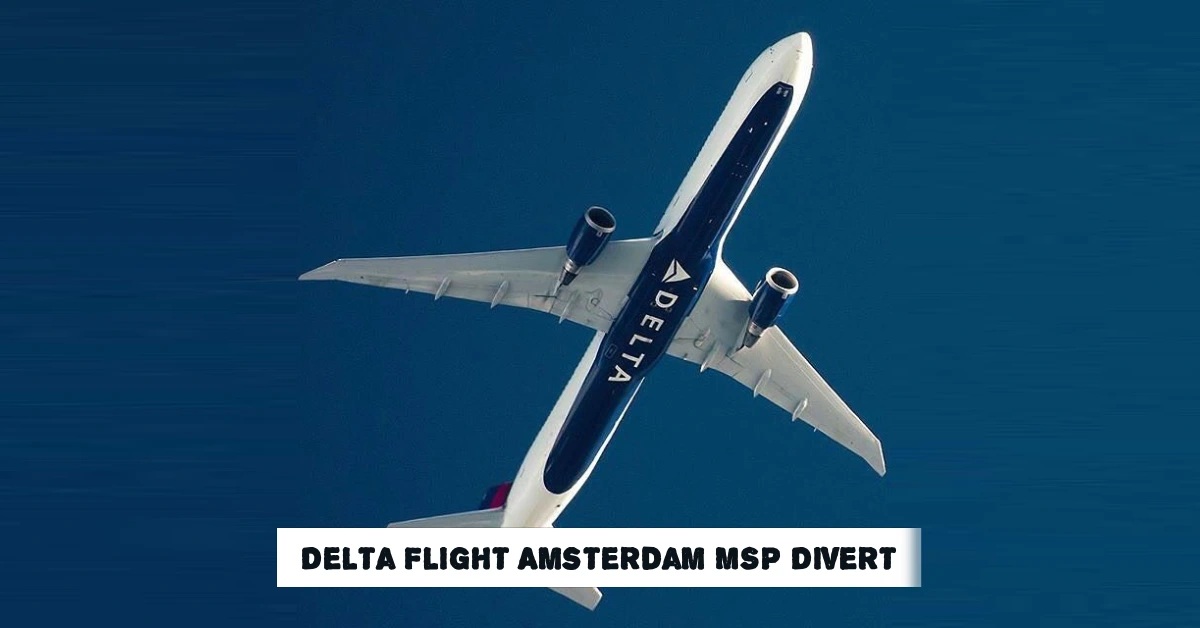
Delta Flight 56 from Salt Lake City to Amsterdam diverted to Minneapolis-Saint Paul International Airport after encountering severe turbulence over Wyoming on July 30, 2025. The Airbus A330-900 carrying 275 passengers and 13 crew members landed safely around 7:45 p.m. Twenty-five people were transported to hospitals for evaluation, though all were released within 24 hours.
What Happened During Delta Flight 56’s Emergency Divert
The turbulence struck approximately 45 minutes into the flight as passengers settled into their transatlantic journey. The plane experienced severe turbulence lasting three to five minutes, catching many travelers off guard during what should have been routine meal service.
Flight data shows the aircraft rapidly dropped roughly 2,500 feet before entering a climb-descent cycle that lasted 2.5 minutes. The flight crew had minimal warning before the incident began—just moments earlier, they had turned off the seatbelt sign after encountering smooth air.
The plane exceeded maximum operating speed during the event, causing the autopilot to disengage. Passengers described chaotic scenes: beverage carts slammed into the cabin ceiling, glass bottles shattered, and unbuckled travelers hit the overhead compartments.
Understanding the Turbulence Over Wyoming
The incident occurred while Flight 56 cruised over Wyoming at standard altitude. Radar had shown weather buildups, prompting the crew to request a slight deviation from their flight path. Air traffic control directed them to turn left rather than the requested right turn—a routine adjustment that coincided with the turbulence encounter.
Turbulence is unpredictable, irregular air motion caused by eddies and vertical currents. In severe cases, it causes large altitude changes and forces passengers violently against their restraints. The National Weather Service classifies this type of turbulence as capable of momentarily putting an aircraft out of control.
Weather patterns over mountainous regions like Wyoming can create particularly challenging conditions. Air moving over terrain generates waves and rotors that extend well above ground level, creating invisible hazards for aircraft thousands of feet overhead.
Medical Response and Passenger Injuries
Emergency responders met the aircraft at MSP, where medical personnel evaluated all passengers and crew. The 25 hospitalized individuals included seven crew members, reflecting the widespread impact of the turbulence throughout the cabin.
All injured parties were treated and released by Thursday morning. Delta’s Care Team contacted affected passengers directly to coordinate medical support and arrange continued travel. The airline demonstrated rapid crisis management, deploying resources to minimize disruption while prioritizing passenger welfare.
Most turbulence injuries occur when people are unbuckled or standing. Flight attendants face a higher risk because they move through the cabin during service. This incident reinforced the critical importance of staying seated with seatbelts fastened whenever possible.
NTSB Investigation Findings
Delta is cooperating with the National Transportation Safety Board on an investigation. The preliminary report indicates the flight crew had discussed possible turbulence but received almost no warning before the severe event.
The aircraft experienced speed fluctuations of approximately 70 mph and rolled about 40 degrees to the left during the turbulence. These extreme variations demonstrate the intensity of the atmospheric disturbance the Airbus A330-900 encountered.
The NTSB examines these incidents to identify patterns and improve aviation safety protocols. Their investigation will analyze weather data, flight recorder information, and crew decision-making to determine what factors contributed to the event and whether procedures need adjustment.
How Delta Managed the Divert
Delta operated a special flight from MSP to Amsterdam on Thursday evening so customers could continue their journey. This direct response minimized travel disruption for passengers whose plans were upended by the emergency landing.
The airline’s logistics team coordinated accommodation, meals, and ground transportation for affected travelers. Delta’s customer service representatives worked individual cases to rebook connections and address specific passenger needs resulting from the delay.
Minneapolis-Saint Paul International Airport handled the influx efficiently, providing gate access and coordinating with local emergency services. The airport’s emergency response plan activated smoothly, demonstrating the preparedness of major hub facilities for unexpected diversions.
Turbulence Trends in Modern Aviation
Turbulence-related accidents are the most common type involving air carriers operating under U.S. regulations. However, serious injuries remain statistically rare despite frequent minor incidents. The aviation industry continuously refines detection and avoidance strategies.
Scientists suggest turbulence injuries may become more common as climate change alters jet stream patterns. Atmospheric instability creates conditions that generate clear-air turbulence—invisible hazards that occur in cloudless skies without visual warning.
Airlines invest in advanced weather radar systems and turbulence prediction algorithms. Pilots receive updated atmospheric data throughout flights, enabling them to request route adjustments when conditions warrant. Despite these tools, some turbulence remains undetectable until aircraft encounter it directly.
What Passengers Can Learn
Keep your seatbelt fastened throughout the flight, even when the sign is off. This simple action prevents most turbulence injuries. Flight attendants cannot always predict when turbulence will strike, making continuous use of restraints your primary protection.
Store carry-on items securely in overhead bins or under seats. Loose objects become projectiles during severe turbulence. Your laptop, water bottle, or bag can cause injury if suddenly airborne.
Follow crew instructions immediately when turbulence begins. Flight attendants are trained to manage in-flight emergencies and will direct passengers to take appropriate protective actions. Delaying response puts you and others at risk.
The Aircraft and Route Context
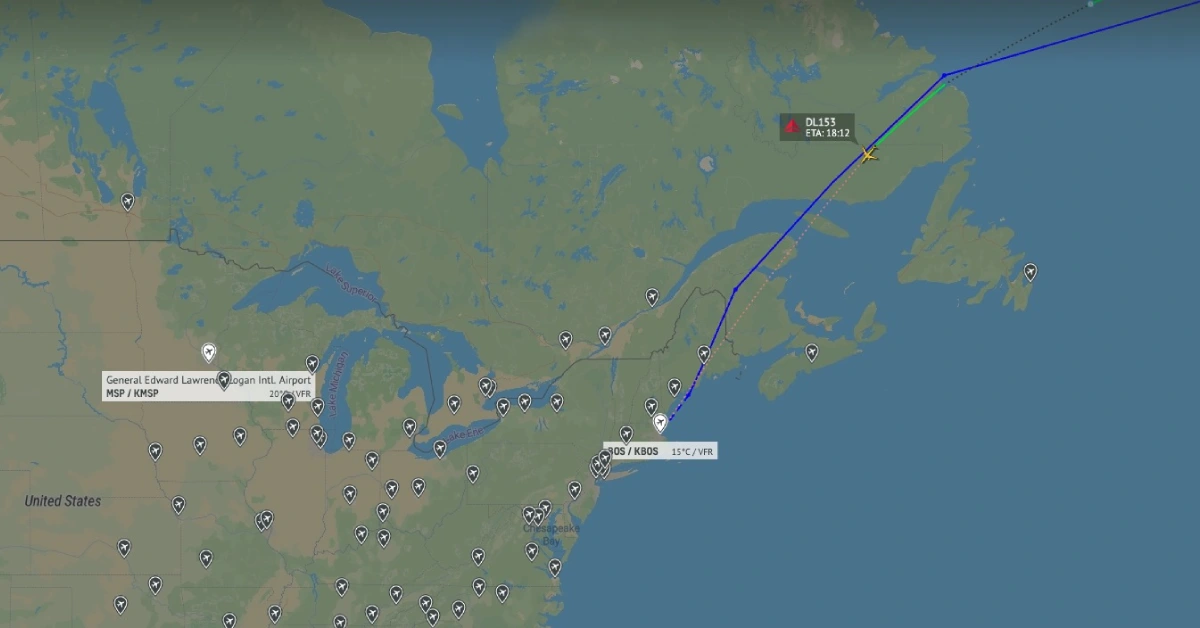
The Airbus A330-900 represents Delta’s modern wide-body fleet for transatlantic service. These aircraft feature advanced flight control systems designed to handle various atmospheric conditions. The Salt Lake City to Amsterdam route spans approximately 5,000 miles, crossing diverse weather systems over North America and the Atlantic.
Wide-body jets like the A330-900 provide stability advantages over smaller aircraft, but no plane is immune to severe turbulence. The aircraft’s design allows it to withstand forces far beyond what passengers experience, ensuring structural integrity even during extreme events.
Delta operates multiple daily transatlantic flights from its Salt Lake City hub, connecting western U.S. passengers to European destinations. The airline maintains rigorous maintenance standards and crew training protocols to ensure safe operations across its route network.
Moving Forward After the Incident
The July 30 divert highlighted both the unpredictability of atmospheric conditions and the effectiveness of aviation safety systems. Delta emphasized that safety remains its number one value while managing the immediate aftermath and investigation cooperation.
Passengers affected by the incident received direct support from Delta’s specialized care team, reflecting the airline industry’s commitment to customer welfare during irregular operations. The swift medical response and coordinated ground operations demonstrated the preparedness of aviation stakeholders for emergency scenarios.
As investigations conclude and findings emerge, airlines and regulators will assess whether procedural adjustments could improve turbulence response. Each incident contributes to the continuous improvement cycle that keeps commercial aviation among the safest forms of transportation.