
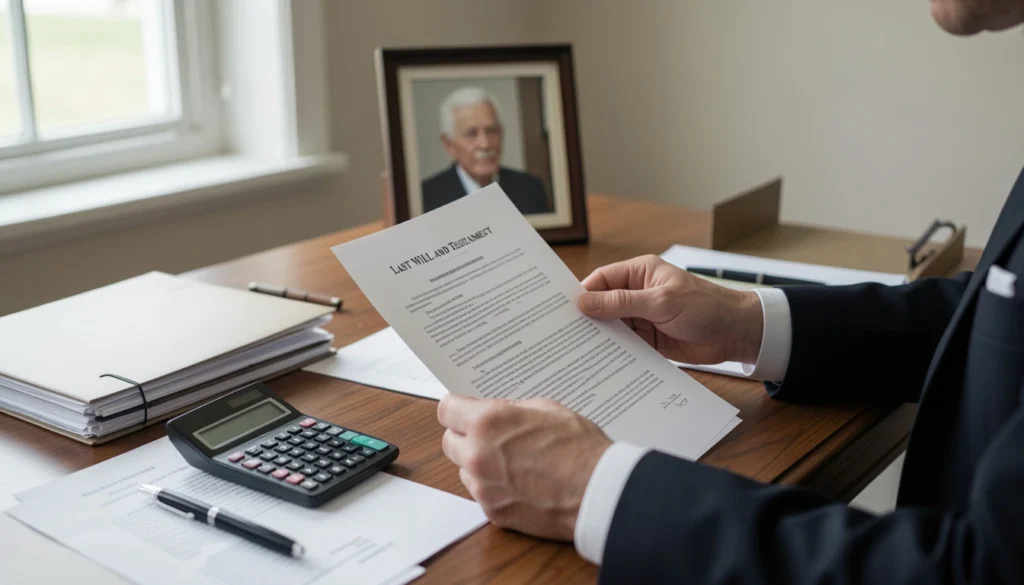
Dealing with a loved one’s estate after they pass is already an emotional process. Then comes the paperwork, the legal forms, the tax calculations, and the responsibility of distributing assets correctly — often while you’re still grieving.
In this article
Many executors wonder whether they need a solicitor for probate or can handle it themselves. The answer depends on how complex the estate is, but the risks of getting it wrong are real and worth understanding before you decide.
What Probate Actually Involves
Probate is the legal process of administering a deceased person’s estate. It gives the executor — the person named in the will to carry out its instructions — the legal authority to collect assets, pay debts, and distribute what remains to the beneficiaries. When someone dies without a will, a close relative can apply to become the administrator of the estate, which follows a similar process.
To obtain a Grant of Probate (or Letters of Administration if there’s no will), the executor must submit a formal application to the Probate Registry, along with the original will, a death certificate, and a completed inheritance tax form — even if no tax is owed. Once granted, this document gives the executor the authority to access bank accounts, sell property, and transfer assets.
It sounds straightforward on paper. In practice, even moderately complex estates can take months to settle, and errors in the paperwork or tax calculations can cause significant problems down the line.
What a Probate Solicitor Does
A probate solicitor is a qualified legal professional who specialises in estate administration. Their role goes well beyond filling in forms. They advise on what the law requires, help you avoid mistakes, and take over the parts of the process that carry the most legal risk.
In practical terms, a probate solicitor will assess the full value of the estate, identify any debts or liabilities, advise on whether Inheritance Tax applies and how to calculate it correctly, prepare and submit the probate application, and oversee the distribution of assets to beneficiaries in line with the will or intestacy rules.
Many solicitors offer two levels of service. A grant-only service handles the application for the Grant of Probate but leaves the rest of the administration to you. A full estate administration service manages the entire process from start to finish. Which you need depends on how much help you want and how complex the estate is.
Situations Where Hiring a Probate Solicitor Makes Sense
There’s no single rule that tells you when a solicitor is necessary, but certain situations carry enough risk that professional help is clearly worthwhile.
The Estate Includes Property or Significant Assets
If the estate includes a house, land, or investment portfolio, the administration process becomes considerably more involved. Property needs to be valued professionally, and if it’s being sold as part of the estate, there are conveyancing steps involved too. A solicitor who handles both probate and property law can manage these together, which reduces the risk of delays.
Inheritance Tax Is Owed
Inheritance Tax (IHT) applies to estates valued above £325,000 (the nil-rate band as of 2025), though various exemptions and reliefs can apply — including the residence nil-rate band for property passing to direct descendants. Getting the IHT calculation wrong can result in penalties from HMRC. A solicitor or qualified tax adviser will ensure the return is accurate and submitted on time, and they can also advise on any reliefs that might reduce the bill.
The Will Is Being Disputed
When a beneficiary or family member challenges the validity of a will — or makes a claim against the estate under the Inheritance (Provision for Family and Dependants) Act 1975 — a solicitor is not optional, it’s essential. These disputes can become contentious legal proceedings. Without specialist advice, the executor may face personal liability if the estate is distributed incorrectly while a challenge is ongoing.
There Are Debts, Creditors, or Insolvent Estates
Executors are legally required to pay the deceased’s debts before distributing anything to beneficiaries. If the estate has more liabilities than assets — meaning it’s insolvent — there’s a strict legal order in which debts must be paid. Getting this wrong exposes the executor to personal financial liability. A probate solicitor will identify creditors, deal with them appropriately, and protect you from paying out of your own pocket for mistakes made in the process.
Beneficiaries Are Abroad or Difficult to Locate
If any beneficiaries live overseas or cannot be easily found, additional legal steps are required. A solicitor can carry out the necessary searches and ensure all legal obligations are met before the estate is closed.
There Is No Valid Will
When someone dies intestate (without a will), the estate is distributed according to the Rules of Intestacy — a fixed legal order that doesn’t always reflect what the deceased might have wanted. These rules can produce unexpected outcomes, particularly for unmarried partners who have no automatic entitlement. A solicitor can guide the administrator through a process that’s often less clear-cut than dealing with a straightforward will.
Can Probate Be Done Without a Solicitor?
Yes, it can — and many people do handle straightforward probates themselves. If the estate is simple (a single property or modest savings, no Inheritance Tax owed, beneficiaries who are easy to contact and in agreement), DIY probate is a realistic option. The Probate Registry guides personal applicants, and online probate services exist that help individuals complete the application at a lower cost.
That said, “straightforward” is often harder to judge from the inside. What looks like a simple estate can become complicated if an overlooked debt surfaces later, if a beneficiary raises concerns about how assets were valued, or if HMRC queries the tax return. Executors are personally liable for errors made during estate administration — even honest mistakes can result in legal claims or financial penalties.
The Honest Trade-Off
Handling probate without a solicitor saves money upfront. Probate solicitors typically charge either a fixed fee or a percentage of the estate — commonly between 1% and 3% of the estate’s total value, plus VAT. For a larger estate, that adds up. It’s the primary reason many executors consider going it alone.
The risk, however, is that errors in tax filings, missed creditor claims, or incorrect asset distribution can cost far more than the solicitor’s fee to resolve. Executors who distribute an estate incorrectly may have to make up the shortfall from their own funds. That’s not a theoretical risk — it happens, particularly when estates have debts or assets that weren’t fully accounted for.
If you’re confident the estate is genuinely simple and you’re willing to invest the time in understanding the process, DIY probate is workable. If there’s any significant complexity — property, tax, disputes, or overseas beneficiaries — the cost of professional probate legal advice is almost always justified.
How to Decide?
The best starting point is an honest assessment of the estate. Ask yourself: Does the estate include property or business assets? Is the total value above £325,000? Are all the beneficiaries easy to contact and in agreement? Are there any outstanding debts beyond the ordinary? Is the will straightforward and unambiguous?
If you answered yes to any of the first four questions, a probate solicitor is worth consulting, even if you ultimately decide to handle parts of the process yourself. Many solicitors offer an initial consultation at no charge or for a fixed fee, allowing you to get a clear picture of the complexity involved before committing.
If you decide to use a solicitor, choose one who specialises in probate and estate administration rather than a general practice firm. Ask about their fee structure upfront — whether they charge a fixed fee, an hourly rate, or a percentage — so there are no surprises at the end of the process.
Making the Right Call
The question of why you need a solicitor for probate ultimately comes down to risk and complexity. A straightforward estate with no property, no tax liability, and cooperative beneficiaries can often be managed without professional help. But the majority of estates involve at least one element that benefits from expert guidance — whether that’s an Inheritance Tax calculation, a property sale, or a beneficiary who has questions about how assets were valued.
Before you decide, get a proper picture of what the estate involves. If anything gives you pause, a consultation with a probate solicitor is the most practical next step you can take.
Disclaimer: This article is intended for general informational purposes only and does not constitute legal advice. Probate law and Inheritance Tax rules can change. Always consult a qualified solicitor or legal adviser for guidance specific to your situation.