
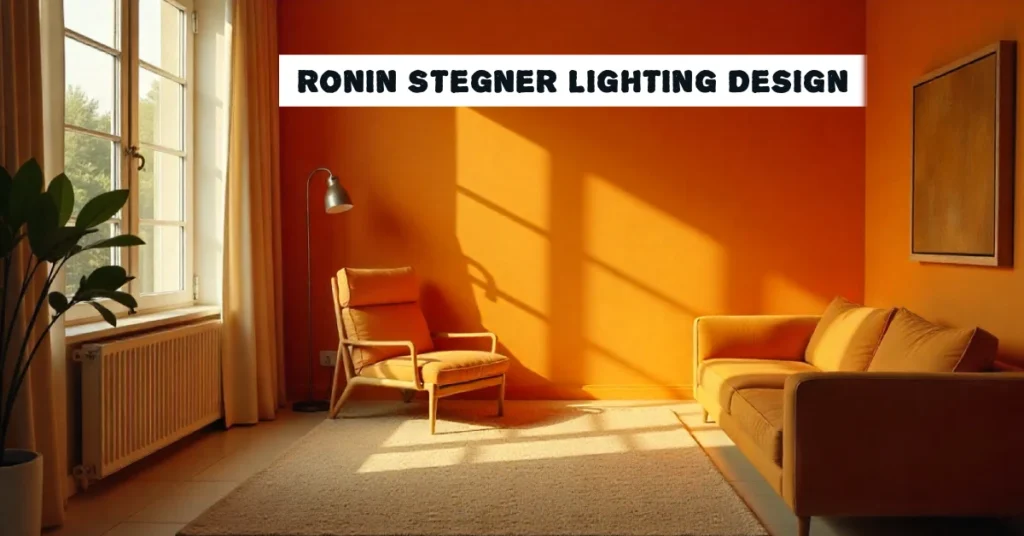
Ronin Stegner’s lighting design combines layered lighting techniques with smart home integration to create functional, beautiful spaces. His approach uses ambient, task, and accent lighting with careful attention to color temperature, energy efficiency, and human-centric design principles for residential applications.
In this article
The right lighting transforms your home from merely functional to truly extraordinary. Ronin Stegner has established himself as a leading voice in residential lighting design, creating solutions that balance technical precision with artistic vision. His approach goes beyond simply illuminating spaces—it shapes how you experience your home.
Light is more than just a functional necessity. It is the silent language of a space, shaping how we feel, work, and interact. This philosophy drives every Ronin Stegner lighting project, whether it’s a cozy apartment or a sprawling estate.
What Makes Ronin Stegner Lighting Design Unique
Ronin Stegner’s lighting philosophy centers on human needs rather than purely aesthetic goals. The philosophy centers on enhancing the visual comfort and experience of the end-user. This means considering how different lighting affects your daily routines, mood, and overall well-being.
Three core principles define his approach. First, he prioritizes layered lighting systems that provide flexibility throughout the day. Second, he integrates sustainable technologies that reduce energy consumption without sacrificing quality. Third, he ensures every fixture serves both functional and aesthetic purposes.
They meticulously calculate factors like color temperature (how warm or cool the light appears), color rendering index (how accurately a light source reveals the true colors of objects), and glare control. This technical precision prevents common problems like eye strain and poor visibility while creating the perfect atmosphere.
The sustainability focus sets Stegner apart from traditional lighting designers. With lighting accounting for a significant portion of a building’s energy use, their designs prioritize efficiency without sacrificing beauty. His LED implementations and smart control systems can reduce energy consumption by up to 75% compared to conventional lighting.
The Science Behind Effective Lighting Design
Understanding the technical aspects of lighting helps you make informed decisions for your home. Color temperature, measured in Kelvin, dramatically affects room ambiance. Warm light (2700K-3000K) creates cozy, intimate spaces perfect for bedrooms and living areas. Cool light (4000K-5000K) promotes alertness and works well in kitchens and home offices.
Color Rendering Index (CRI) measures how accurately light reveals true colors. A CRI above 90 ensures artwork, furniture, and fabrics appear as intended. This becomes crucial in spaces where color accuracy matters, such as dressing areas or art studios.
Layered lighting: Applying ambient, task, and accent lighting to build depth. Context-aware design: Taking into account natural patterns of light, room geometry, and activity space usage. This layered approach creates adaptable environments that serve multiple purposes throughout the day.
Photometric planning involves calculating light distribution patterns, ensuring even illumination without harsh shadows or bright spots. Professional-grade photometric software helps designers predict exactly how light will behave in your specific space before installation begins.
Essential Ronin Stegner Lighting Techniques
1. Ambient Lighting Foundations
Ambient lighting provides the base layer of illumination in any room. Layered lighting is an interior design technique that combines ambient, task, and accent light fixtures in a space. This foundation layer should be soft, even, and glare-free.
Recessed downlights remain popular for ambient lighting because they provide clean, unobtrusive illumination. Space them 6-8 feet apart in residential applications, with dimmer controls for flexibility. Alternatively, indirect lighting through cove details or wall washers creates a softer, more diffused ambient layer.
Track lighting offers flexibility for spaces that may change over time. Modern track systems accommodate various fixture types and allow easy repositioning as needs evolve.
2. Task Lighting Applications
Task lighting focuses illumination where you need it most for specific activities. Kitchen counter preparation, reading, desk work, and grooming all require targeted light that reduces eye strain and improves performance.
Under-cabinet LED strips provide excellent kitchen task lighting, eliminating shadows cast by overhead fixtures. Install them with a color temperature of 3000K-4000K for optimal food preparation visibility.
Swing-arm wall sconces work perfectly beside beds for reading, while adjustable desk lamps with high CRI LEDs improve productivity in home offices. The key is positioning task lights to avoid shadows while providing adequate illumination levels—typically 300-500 lux for detailed work.
3. Accent Lighting for Visual Interest
If ambient light is the base layer and task light is the functional layer, then accent lighting provides the finishing touches. This decorative layer highlights architectural features, artwork, or creates focal points within rooms.
Track-mounted accent lights work well for highlighting artwork, while recessed adjustable fixtures can emphasize architectural details like textured walls or built-in shelving. The rule of thumb: accent lighting should be three times brighter than ambient lighting to create proper contrast.
Landscape lighting extends your home’s lighting design outdoors, highlighting pathways, architectural features, and garden elements while improving security and curb appeal.
Room-by-Room Lighting Strategy Guide
Living areas benefit from flexible lighting that adapts from bright social gatherings to intimate conversations. Combine overhead ambient lighting with table lamps for cozy corners and accent lights to highlight artwork or architectural features.
Kitchens require excellent task lighting for food preparation safety. Layer under-cabinet lighting with pendant fixtures over islands and ambient recessed lights throughout. Avoid placing lights directly overhead where you’ll cast shadows on work surfaces.
Bedrooms need soft ambient lighting for relaxation, plus focused task lighting for reading or dressing. Bedside sconces with adjustable beams eliminate the need for table lamps while providing perfect reading light.
Bathrooms demand careful planning around moisture and safety requirements. Vertical fixtures beside mirrors provide even facial illumination for grooming, while overhead ambient lighting handles general room illumination.
Smart Integration and Energy Efficiency
Modern lighting control systems allow unprecedented customization of your home’s lighting environment. Smart switches, sensors, and automated schedules adapt lighting to your daily routines while maximizing energy savings.
Daylight harvesting systems automatically adjust electric lighting based on available natural light. These sensors can reduce energy consumption by 20-60% in rooms with significant daylight.
The initial investment in smart lighting systems typically pays for itself within 3-5 years through energy savings, especially when replacing older incandescent or halogen fixtures with LED alternatives.
Popular smart lighting platforms include Lutron, Control4, and Philips Hue. Choose systems that integrate with your existing home automation for seamless operation.
Common Lighting Design Mistakes to Avoid
Over-dependence on recessed ceiling fixtures creates harsh, unflattering light that casts shadows under eyes and furniture. Balance overhead lighting with lamps and wall fixtures for more appealing illumination.
Ignoring natural light patterns leads to poor artificial lighting decisions. Observe how daylight moves through your spaces throughout the day before finalizing fixture locations.
Installing fixtures without dimmer controls eliminates flexibility. Nearly every light source benefits from dimming capability, allowing adjustment for different times of day and activities.
Choosing fixtures based solely on appearance often results in poor light quality or inadequate illumination levels. Always verify technical specifications match your space requirements.
Professional vs DIY Installation Guide
Simple fixture replacements like swapping out pendant lights or installing plug-in table lamps work well as DIY projects. However, new electrical circuits, recessed lighting installation, or smart home integration typically require professional electricians.
Safety considerations become paramount when working with electrical systems. Turn off the power at the circuit breaker, use proper voltage testers, and follow local electrical codes. When in doubt, hire qualified professionals.
Professional lighting designers add value through photometric analysis, fixture specification, and integration with architectural elements. Their expertise becomes especially valuable for whole-house lighting plans or complex control systems.
The investment in professional design typically ranges from 10-15% of total project costs but ensures optimal results and avoids costly mistakes or revisions.
Ronin Stegner’s approach to residential lighting design offers a proven framework for creating beautiful, functional homes. By understanding layered lighting principles, technical considerations, and implementation strategies, you can transform your living spaces into environments that truly enhance daily life. Whether tackling a single room or planning a whole-house lighting renovation, these principles provide the foundation for successful results.
The key lies in balancing technical precision with human needs, creating lighting systems that adapt to your lifestyle while delivering energy efficiency and visual appeal. Start with one room to experiment with these techniques, then gradually expand your lighting improvements throughout your home.