
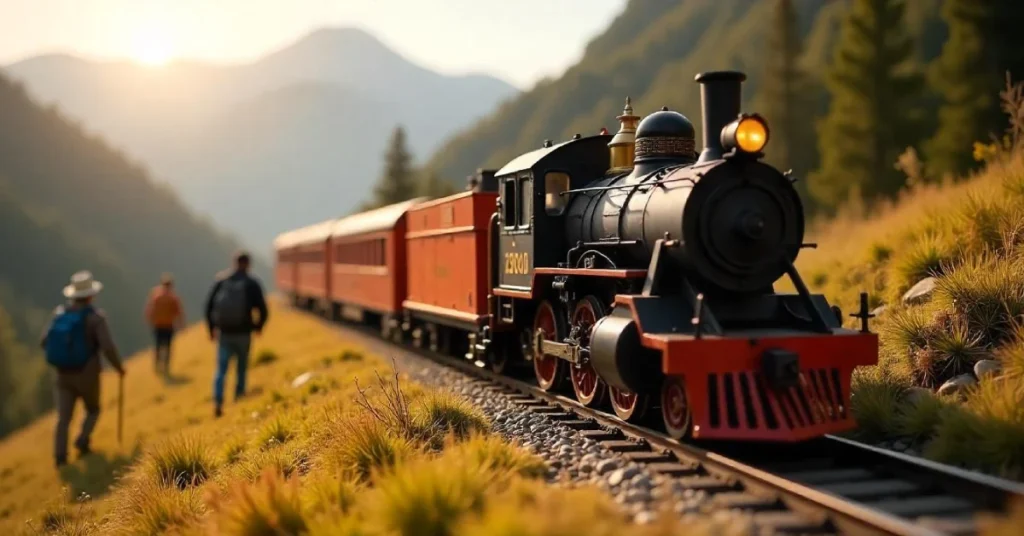
The Westerfield HO 1913 PRR Reefer stands as one of the most accurate Pennsylvania Railroad refrigerated car models available to HO scale collectors. This detailed replica captures the classic design of PRR’s 1913 refrigerated freight cars with precise scaling and authentic details that bring your model railroad to life.
In this article
Westerfield HO 1913 PRR Reefer
The Westerfield HO 1913 PRR Reefer delivers authentic Pennsylvania Railroad styling with solid construction and sharp details.
Westerfield Models crafts this reefer using durable ABS plastic with accurate PRR lettering based on the Pennsylvania Railroad’s 1913 specifications. The HO scale reefer runs smoothly on standard HO track and adds realistic freight operations to your layout. Collectors appreciate the straightforward assembly process and quality metal trucks that provide reliable performance. The model features proper weight distribution and detailed underframe components that match prototype drawings.
Check your track gauge before running to prevent derailments on tight curves.
Benefits of the Model
You get authentic realism, lasting durability, and smooth operation in one complete package.
This PRR refrigerated car model showcases crisp red and white paint schemes that resist chipping during handling. Metal wheels and proper weighting add stability on grades and tight curves. The detailed brake rigging and grab irons match prototype specifications from 1913. Westerfield model construction uses quality materials that withstand regular handling without breaking delicate parts.
Test your reefer on your steepest grade before adding it to long freight consists.
Features of the Model
The model includes authentic details like ice hatches, side grab irons, and proper PRR lettering schemes.
Westerfield reproduces the original wood-sided construction with raised panel details and correct door spacing. The refrigerated car features opening ice hatches on the roof and detailed brake equipment underneath. Grab irons are separately applied for a realistic appearance and proper scale thickness. The model comes with Kadee-compatible couplers and RP-25 wheelsets for reliable operation on most HO layouts.
Examine the coupler height with your gauge before placing the car in service.
Historical Context
The 1913 PRR reefer represented Pennsylvania Railroad’s commitment to modern refrigerated freight service.
Pennsylvania Railroad built these cars to transport perishable goods across its extensive network from Chicago to New York. The 1913 design featured improved insulation and larger ice bunkers compared to earlier models. PRR operated hundreds of these cars to serve major food distributors and breweries along their routes. The wooden construction and steel underframes provided the strength needed for heavy ice loads and frequent switching operations.
1. Why did PRR need reefers?
PRR needed refrigerated cars to compete with other railroads for lucrative perishable freight traffic.
The railroad transported meat from Chicago stockyards and produce from agricultural regions to East Coast markets. Reefer cars allowed PRR to guarantee the fresh delivery of temperature-sensitive goods year-round. This service attracted high-paying customers who needed reliable cold storage during transport.
2. How did designs evolve?
Reefer designs have improved through better insulation materials and more efficient ice bunker layouts.
Early cars used simple wooden construction with minimal insulation between walls. The 1913 models added cork insulation and improved door seals to maintain lower temperatures longer. Later designs would incorporate mechanical refrigeration, but the 1913 cars relied on ice blocks loaded through roof hatches.
Painting and Detailing
The factory paint scheme captures PRR’s classic Tuscan Red and white lettering with weathering options.
Westerfield Models applies multiple paint coats to achieve the deep red color PRR used on freight cars. White lettering includes the railroad name, car numbers, and capacity data placed according to prototype photos. Detail painters can add rust streaks around grab irons and door hinges for realistic weathering effects. The smooth plastic surface accepts most model paints without special preparation.
Practice weathering techniques on scrap plastic before working on your finished model.
Price and Availability
Current pricing ranges from $45 to $65, depending on paint scheme and dealer markup.
HO scale reefer models from Westerfield typically sell through hobby shops and online retailers specializing in model trains. Limited production runs can create temporary shortages, so collectors often purchase multiple cars when available. Secondary market prices vary based on condition and rarity of specific road numbers. Some paint schemes command premium prices due to lower production quantities.
Join model railroad forums to track availability and pricing trends from other collectors.
Assembly and Maintenance
The kit requires basic modeling skills with cement and paint for completion.
Westerfield model kits include detailed instructions with exploded diagrams showing part placement. Most builders complete assembly in 2-3 hours using plastic cement and basic tools. The model requires minimal maintenance beyond occasional cleaning of wheel treads and coupler adjustment. Proper storage in padded containers prevents damage to delicate details during transport.
Keep spare grab irons on hand since these small parts break easily during handling.
Compatibility with Other Models
The reefer works with most HO scale locomotives and freight car sets from major manufacturers.
Standard Kadee couplers allow the car to operate with locomotives from Athearn, Bachmann, and other HO scale producers. The car’s weight and length match prototype dimensions, so it tracks well in mixed freight consists. PRR refrigerated car models pair naturally with other Pennsylvania Railroad freight cars for authentic train operations. The model’s performance matches modern HO standards for reliable switching and mainline running.
Mix your reefer with other freight cars to create realistic train lengths and operations.
Conclusion
The Westerfield HO 1913 PRR Reefer offers model railroaders an accurate representation of the Pennsylvania Railroad’s refrigerated freight cars from the steam era. With quality construction, authentic details, and reliable performance, this model serves both serious collectors and casual hobbyists building realistic HO scale layouts. The combination of historical accuracy and modern manufacturing techniques makes this reefer a valuable addition to any Pennsylvania Railroad freight car roster.