
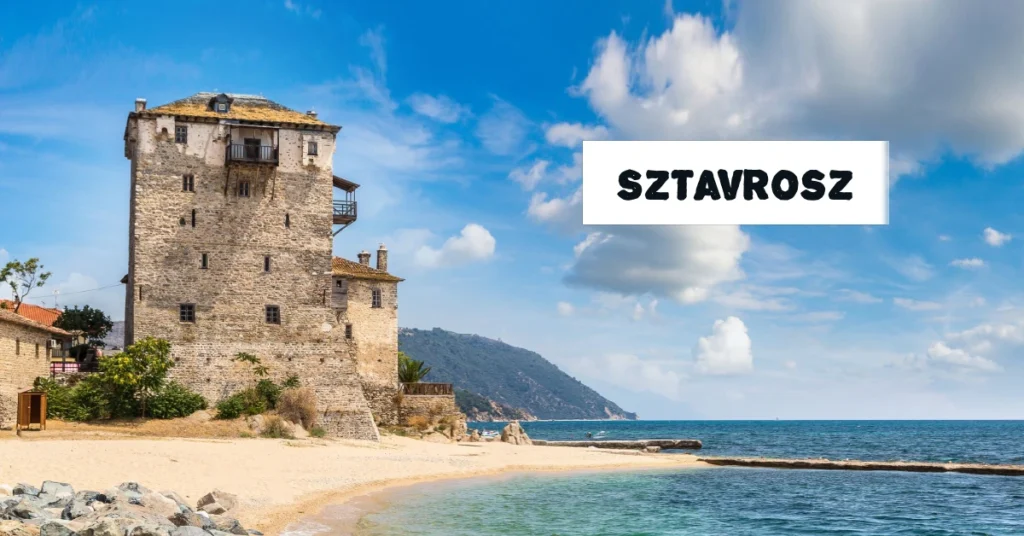
Sztavrosz (Stavros) is a coastal town at the entrance of Halkidiki peninsula in northern Greece, 65-80 kilometers from Thessaloniki. With 3,262 residents, it features Blue Flag-certified beaches, clear Aegean waters, and mountain-backed scenery. The town offers authentic Greek tavernas, water sports, and access to historical sites like Stageira while maintaining a quieter atmosphere than major Greek tourist destinations.
In this article
Overview
Planning a Greek beach holiday that doesn’t involve tourist crowds? Sztavrosz might be exactly what you need.
This coastal town sits at Halkidiki’s northern entrance, where green mountains meet the Aegean Sea. You get clean beaches—three sections earned Blue Flag certification for water quality and safety. You get accessibility—just 65 kilometers from Thessaloniki’s airport means you can reach the beach in under an hour. And you get authenticity—this isn’t Santorini or Mykonos with Instagram crowds and inflated prices.
The town recorded 3,262 permanent residents in 2021 and covers 16.5 square kilometers. Most visitors are regional travelers from Macedonia or neighboring Balkan countries, though Hungarian tourists have discovered this spot in significant numbers.
Here’s what you need to know about Sztavrosz before you book your trip.
Location and Access
Sztavrosz sits 65 kilometers from Thessaloniki, Greece’s second-largest city. The direct distance to Thessaloniki is approximately 64.9 kilometers.
Drive time from Thessaloniki airport: 45-60 minutes, depending on traffic. The route follows the main coastal road through Strimonikos Bay—straightforward navigation, good road conditions.
The area has ancient roots as a Mygdonic residence called Vormiskos or Vromiskos, built near the Richios River and serving as an important junction on the Egnatia road during Byzantine times. Modern Sztavrosz was settled by refugees from Asia Minor in 1922, specifically from Katirli in Bithynia, Agia Paraskevi, Proussa, and Madytos.
Bus connections run regularly from Thessaloniki. Local taxis operate withinthe town. Rental cars give you freedom to explore the surrounding beaches and archaeological sites—recommended if you plan day trips.
The Beaches
Sztavrosz Beach holds Blue Flag certification, confirming excellent water quality. The beach stretches approximately 10 kilometers through Strimonikos Bay, divided into three main sections: East, West, and Central.
Water clarity: excellent. Sand quality: soft with some rocky patches near the waterline—water shoes help. Depth: shallow for the first 20-30 meters, safe for families with children. Visitors enjoy swimming, fishing, and various water sports.
Afternoon breeze picks up around 2 PM, especially from mid-August onward. This cools the summer heat but can stir sand from the bottom, temporarily clouding the water. Not a deal-breaker, just something to expect.
Beach facilities include showers, changing rooms, and umbrellas (usually tied to purchasing drinks or food from beachfront establishments). Lifeguard presence during the summer season.
The Blue Flag designation requires 33 specific criteria: water quality testing, waste management, safety equipment, environmental education, and accessibility features. Halkidiki leads all Greek municipalities with 104 Blue Flag beaches as of 2024.
Nearby Beach Options
Drive 35-40 kilometers east and you reach Olympiada’s beaches, often cited as superior in natural beauty. The journey takes 30-40 minutes. Nea Vrasna and Asprovalta sit 3-4 minutes away by car, offering different atmospheres and dining options.
Food and Dining
Taverns line the waterfront. Expect grilled octopus, fried calamari,and fresh sardines—standard Greek seafood preparations done well when restaurants source locally. Souvlaki, moussaka, and Greek salads dominate menus at mid-range spots.
Price range: €10-20 per person for a full meal with drinks at casual establishments. €25-35 at slightly upscale places. Lower than Athens or island destinations, higher than inland villages.
Coffee culture runs strong. Cafes serve freddo espresso and freddo cappuccino—iced coffee drinks that Greeks consume year-round. Frappé remains popular. Ouzo accompanies meals, especially seafood.
Family-run establishments offer the most authentic experience. Look for places where locals eat, not just tourists. Morning markets sell fresh produce, olives, cheese, and baked goods if you’re self-catering.
Activities and Attractions
1. Water sports
Windsurfing, paddleboarding, and kayaking are available through beach rentals. Diving and snorkeling in clear water. Fishing from shore or organized boat trips.
2. Historical sites
Ancient Stageira, Aristotle’s birthplace, sits nearby with a theme park. The archaeological site offers views toward Mount Athos. Travel time: 30-40 minutes by car.
3. Mount Athos
The monastic state occupies the easternmost peninsula of Halkidiki. Men can visit the monasteries with special permits arranged months in advance. Women cannot enter, but can take boat tours viewing the monasteries from the sea. The nearest gateway town, Ouranoupoli, is approximately 90 minutes from Sztavrosz.
4. Hiking
Trails wind through pine forests on hillsides backing the town. Sztavrosz combines green mountains and the endless blue sea at an altitude of 10 meters. Moderate difficulty, good for morning or evening walks when temperatures cool.
5. Day trips
Thessaloniki (culture, museums, Byzantine walls, White Tower). Waterland aqua park at 40 kilometers away. Kakovo monastery. Volvi Lake. Amphipolis archaeological site.
Nightlife and Entertainment
Sztavrosz isn’t a party destination, but bars and clubs operate through the summer. Music, drinks, dancing until 3-4 AM at several spots. Younger crowds gather at beachfront venues.
Most establishments close or reduce hours significantly outside peak season (June-August). Shoulder seasons offer quieter experiences but fewer entertainment options.
The town maintains an amusement park with rides for children. Sports fields and playgrounds are scattered throughout residential areas.
Accommodation
Range from budget guesthouses (€30-50/night) to mid-range hotels (€60-100/night) to beachfront resorts (€120-200/night). Apartment rentals through booking platforms offer good value for groups or longer stays.
Most accommodations cluster near the beach. Book early for July-August—Hungarian and regional travelers fill rooms quickly during peak weeks. Shoulder seasons (May-June, September) offer better availability and pricing.
Nearby camping options exist for travelers seeking nature immersion and budget-friendly stays.
Practical Travel Information
- Best time to visit: Late May through early September for swimming. June and September offer comfortable temperatures (25-28°C) with fewer crowds than the July-August peak season.
- What to pack: Sunscreen (Greek sun is intense), water shoes for rocky beach areas, light clothing, a hat, reusable water bottle. Bring or buy insect repellent for evening outdoor dining.
- Language: Greek is primary, but tourist-facing businesses handle basic English. Learning basic Greek phrases improves interactions: “Kalimera” (good morning), “Efharisto” (thank you), “Parakalo” (please/you’re welcome).
- Currency: Euro. ATMs are available in town. Credit cards are accepted at most restaurants and hotels, but carry cash for small purchases and beach vendors.
- Mobile connectivity: Greek mobile networks provide good coverage. EU visitors use phones without roaming charges. Others should check international plans or buy local SIM cards.
- Transportation: Renting bicycles works well for exploring the flat coastal area. Scooters are available for those comfortable with two-wheel transport. Car rentals are recommended for accessing distant sites and beaches.
Why Choose Sztavrosz?
You won’t find dramatic cliffside hotels or volcanic sunsets here. Sztavrosz offers something different: uncomplicated beach life without tourist industry artifice.
The town functions as a real place, not a resort construct. Locals include descendants of 1922 Asia Minor refugees along with more recent arrivals from Georgia, Albania, and Bulgaria. Fishermen still work. Families gather at tavernas. Daily rhythms follow Greek patterns, not tourist schedules.
Beach quality meets international standards through Blue Flag certification. Access to Thessaloniki provides urban amenities and cultural options when beach time isn’t enough. Proximity to archaeological sites satisfies history interests. Mountain-sea combination creates varied landscapes within a small geographic area.
The 90-kilometer distance from Thessaloniki positions Sztavrosz ideally for travelers wanting beach relaxation without complete isolation from urban amenities.
Prices remain reasonable compared to the famous Greek islands. Crowds stay manageable even during summer—you can still find space on the beach and tables at restaurants without planning.
Conclusion
Sztavrosz works for specific travelers: families seeking safe beaches and a calm atmosphere, couples wanting an authentic Greek experience, regional visitors making quick escapes, and budget-conscious travelers avoiding premium destinations.
It doesn’t work for everyone. Party seekers should look elsewhere. Instagram-chasing influencers won’t find photogenic drama here. Luxury resort enthusiasts might find the accommodations too simple.
But if you want clean water, good food, real Greek interactions, and easy access from a major city, Sztavrosz delivers on all counts. The town represents the Greece that existed before mass tourism transformed every coastal village into a carefully curated experience.
Sometimes the best travel destinations aren’t the ones everyone talks about. They’re the ones that simply do what they do well, without pretense or excessive attention. Sztavrosz fits that description perfectly.