

The selection of the appropriate water heating system has extreme effects on the energy consumption and utility costs of your home and your environmental footprint. Two of the most common renewable energy options that are commonly compared by homeowners are solar geysers and heat pumps. Knowing the nature of their efficiency, the cost of operation, and the appropriateness of use is useful in making an informed decision concerning the respective circumstances and priorities of your case.
Solar Geyser Performance and Efficiency
Solar geysers use the direct sunlight to heat water, and thus they are very effective when the sun is shining. They operate on thermal collectors that are used to harness solar radiation and then use it to heat up water storage tanks. Under ideal circumstances, solar geysers have the potential of attaining efficiency levels of over 80 percent, which will be harnessed in transforming the majority of the solar energy into usable hot water with no electrical power consumption during the daytime.
The operation of the solar geyser, however, is very much affected by the weather and seasonal changes. The weather conditions, winter, and the geographic position have a strong influence on heating efficiency. Most of the installations have in-built electric backup features to guarantee the availability of hot water at times when there is not enough sunlight, which incurs electrical expenses during bad weather months.
Efficiency of Heat Pumps and Performance All Year Round
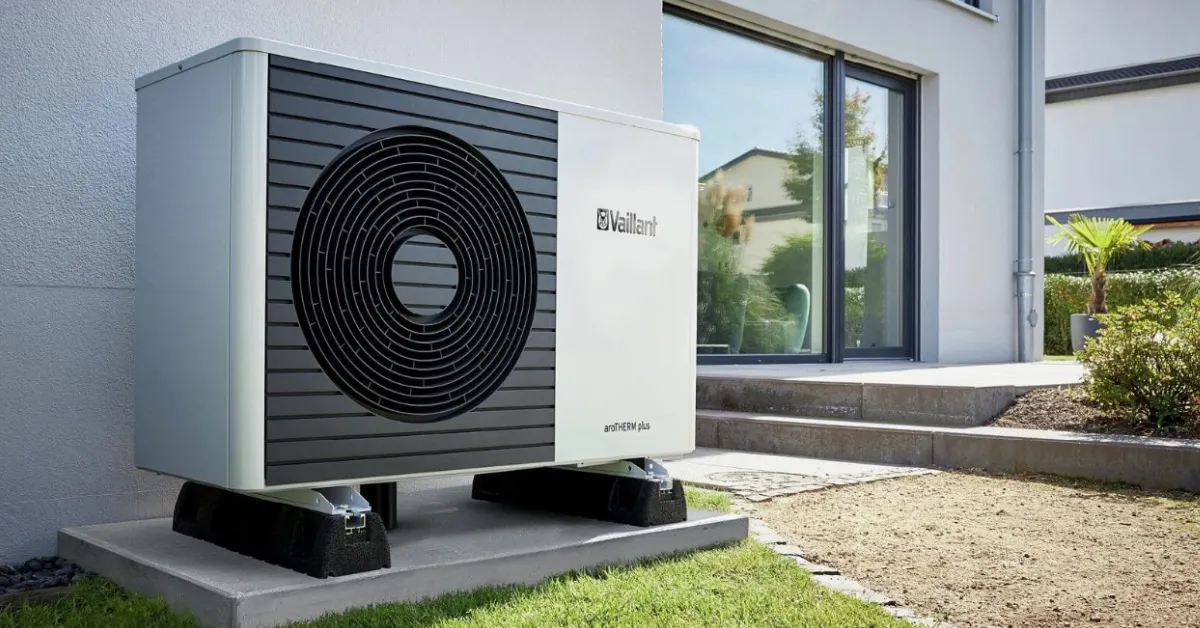
Heat pumps work differently by deriving thermal energy through ambient air and transferring the same into water storage mediums. They can also operate in changeable weather conditions remarkably and effectively, as these systems rely on electricity to produce heat rather than create it. The range of the coefficient of performance (COP) of modern heat pumps is 3 to 4, implying that it generates 3 to 4 times the amount of heat energy than the amount of electrical energy used.
One of the most crucial benefits of heat pumps is the ability to be used all year round without any regard to weather conditions or seasons. Heat pumps sustain a dependable heating performance even in unfavorable circumstances, unlike solar systems, which cease operations at the expense of cloudy weather. This uniformity allows doing without heating by means of electricity that serves as a backup, which reduces the total energy use. SunScan Cape Town installs heat pumps on existing geysers, enabling homeowners to upgrade their new systems without fully replacing them, which is flexible and, at the same time, more efficient.
Comparison of Costs and Installation Costs
Solar geysers generally have lower initial costs of installation, although they have high electrical backup costs. The cost of installations of heat pumps usually has an increased initial cost, but the cost of systems is also on the decrease. Nonetheless, the heat pumps provide more timely returns on investment by being highly efficient and not needing any backup heating.
Space and Installation Requirement
Solar geysers demand that the roof must have sufficient space to be in place with the thermal collector and must be exposed to the south of the Southern Hemisphere. This renders them inappropriate on properties that have a small roof or are in poor sun exposure. Heat pumps have the advantage that they can be used in any size of the roof space, and they do not require an orientation, which provides more adaptability to urban buildings and homes with architectural limitations.
Environmental Impact and Sustainability
Both systems have a huge carbon footprint reduction than the traditional electric geysers. Solar systems use renewable energy directly, and the heat pumps use very little electrical energy compared to conventional heating systems. The decision of which one to use lies in the conditions of your property and in long-range energy objectives.
Conclusion
Solar geysers are the best in sunny weather with a good roof area, and the heat pump will be efficient throughout the year, irrespective of the weather conditions. Heat pumps are the better option for most homeowners who place a higher priority on reliability, year-round operation, and optimum energy conservation. When choosing between these effective water heating options, consider the unique conditions of your property, climate patterns, and budget.