Managing a commercial property involves significant responsibilities, and the roof is often overlooked until problems arise. Regular roof inspections are a simple but powerful preventive measure that can save building owners and managers from unexpected financial hits and structural headaches. By making routine inspections a standard practice, businesses can identify small issues before they become major repairs, extend the life of their roof, and remain compliant with insurance and warranty requirements.
In this article
View the page to learn more about professional commercial roof inspections and how they can help you protect your investment. The upfront cost of scheduled roof inspections is minor compared to the price of emergency repairs or roof replacement resulting from neglected issues. Rather than waiting for water to drip through the ceiling or damage to impact operations, organizations that invest in routine checks safeguard the roof as an asset and shield their business from costly interruptions.
Preventing Small Issues from Escalating
Even the best-installed commercial roofs are exposed to the elements, making them susceptible to wear and tear over time. Minor leaks, separated seams, loose flashing, and clogging in drains or gutters may develop and go unnoticed until they escalate. Through scheduled inspections, small issues can be detected and repaired early, preventing them from turning into widespread structural damage, extensive water intrusion, or mold growth inside the building. For example, a minor leak left unchecked can penetrate insulation and deteriorate supportive decking, resulting in far more significant repair requirements and associated costs. According to FacilitiesNet, neglecting emerging roof issues can accelerate deterioration and ultimately cut a roof’s lifespan in half compared to a well-maintained system. Addressing small problems right away is not just best practice; it is an essential risk management strategy for commercial properties.
Ensuring Insurance Compliance and Warranty Validity
Many property insurance policies specifically require evidence of routine roof maintenance and inspections as a condition for coverage of weather or incidental damage. In the event of a claim, insurers may request records demonstrating that maintenance schedules were followed and that preventative actions were taken. Failing to provide documentation can lead to denied claims, leaving building owners to shoulder costly repairs alone. Additionally, most roofing manufacturers require periodic inspections and timely repairs to keep warranties valid. A neglected inspection protocol might result in voided warranties, even as issues arise that would otherwise be covered.
Avoiding Business Disruptions
The consequences of roof problems extend beyond the structure itself. When a roof fails, either suddenly or due to cumulative minor damage, the impact can disrupt daily business operations. Leaks may damage equipment and inventory, flood offices, or create slip hazards that endanger employees and visitors. Some repairs may require partial or complete building closures for days or even weeks, resulting in lost productivity and revenue. Regular inspections enable owners and managers to plan scheduled maintenance outside peak business hours, minimizing disruption and protecting business continuity.
Recommended Frequency of Inspections
Experts generally advise scheduling professional roof inspections at least twice a year, ideally in spring and fall. This approach helps identify damage from harsh weather seasons and prepares the roof for the coming months. Additional inspections should be arranged immediately after severe storms, hail, high winds, or other potentially damaging events to document and address any immediate impacts. Keeping a log of all inspections, repairs, and maintenance activity is vital for documentation and long-term asset management. Organizations like the National Roofing Contractors Association support industry recommendations.
Common Roofing Issues
- Leaks and Moisture Buildup: Even minor leaks can saturate insulation and foster mold growth, threatening interior air quality and the structure itself.
- Damaged Flashing: Flashing forms a watertight seal around interruptions in the roof system, such as chimneys or vents. Damaged or loose flashing allows water to seep in.
- Ponding Water: Poor drainage or settled areas can cause water to pool on the roof. This accelerates membrane breakdown and may indicate underlying support issues.
- Cracked or Missing Shingles or Membrane Sections: These exposed zones are open invitations for leaks and further material compromise.
These are just a few typical problems detected during routine inspections, highlighting why a trained eye is so valuable in early detection and resolution.
Benefits of Professional Roof Inspections
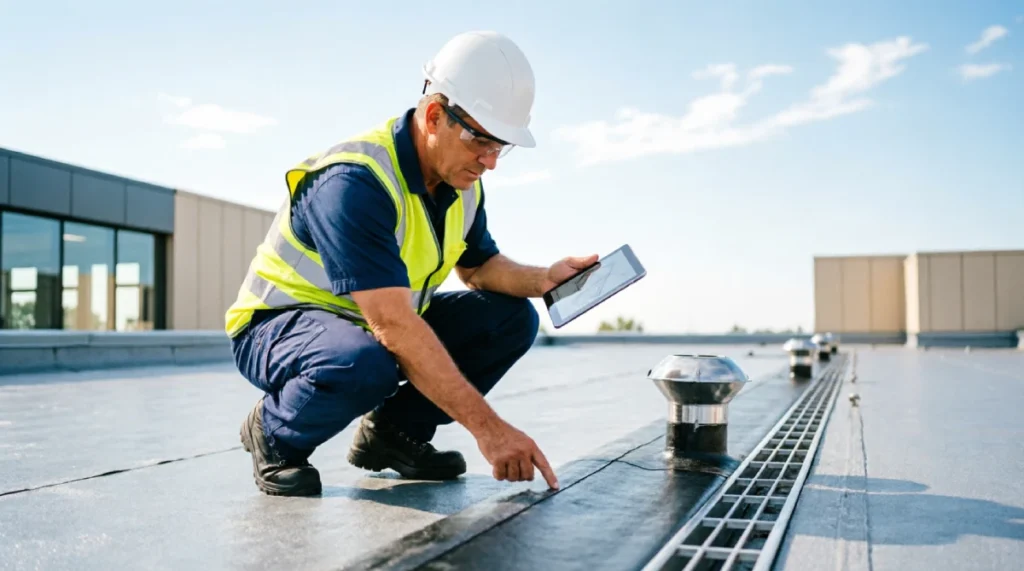
While some facility teams perform basic visual checks, engaging certified roofing professionals for inspections is highly recommended. Trained inspectors use comprehensive checklists and advanced diagnostic tools to identify not only obvious failures but hidden defects that might impair the roof’s performance over time. Professionals produce clear reports, often with photographs, that help owners prioritize maintenance or repairs, budget appropriately, and ensure long-term roof longevity. Choosing reputable inspectors also provides peace of mind, knowing all steps are documented and compliant with both insurance and warranty standards. For more details on the value of professional inspections, the U.S. General Services Administration offers helpful government-backed guidelines.
Conclusion
Routine roof inspections are critical to effective facility management, helping property owners catch small issues before they become expensive emergencies. Adhering to regular inspection schedules is not just about compliance but about proactive stewardship of valuable assets. By maintaining written records, complying with insurance and warranty requirements, and investing in professional oversight, businesses can safeguard their buildings, minimize costly repairs, and keep operations running smoothly.