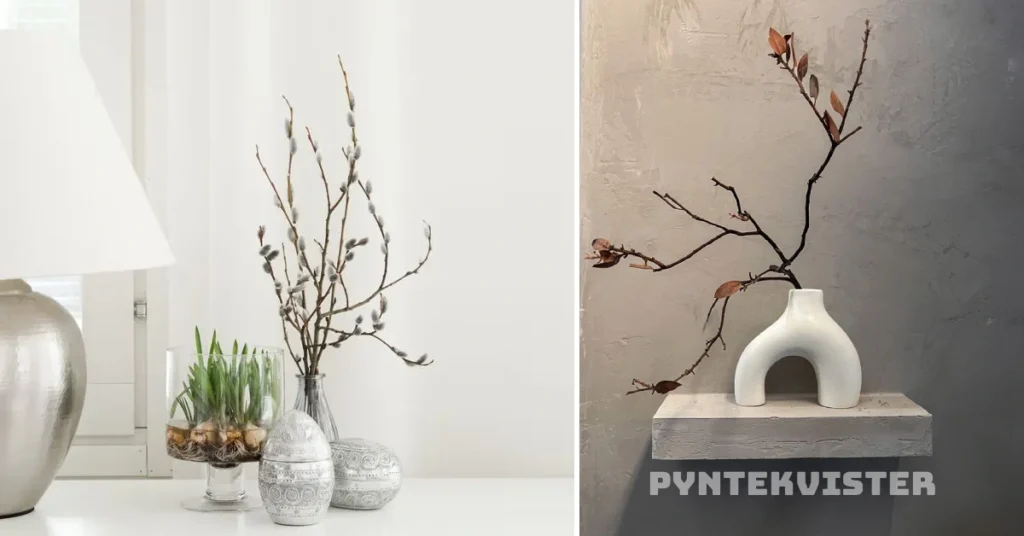
Pyntekvister are decorative branches used in Scandinavian home decor. This Nordic tradition involves styling natural twigs in vases or arrangements to bring nature indoors while creating minimalist, sustainable decorations.
Transform your living space with the timeless Nordic tradition of pyntekvister. In this complete guide to Nordic decorative branch styling, you will discover how these carefully arranged branches bring natural beauty indoors while honoring centuries of Scandinavian interior design philosophy, embracing the cozy essence of hygge.
What is Pyntekvister?
Pyntekvister (pronounced “pint-eh-kvis-ter”) translates to “decorative twigs” in Norwegian. This Scandinavian tradition involves using natural branches and twigs as home decorations, often arranged in vases or styled as centerpieces. Unlike artificial plants, pyntekvister celebrate nature’s authentic textures and seasonal changes.
The practice originated in Nordic rural traditions, where families collected local branches during seasonal transitions. Today, pyntekvister has evolved beyond cultural ceremonies to become a cornerstone of modern interior design.
- Natural branch materials (birch, willow, cherry, hazel)
- Minimalist aesthetic approach
- Seasonal adaptability
- Low maintenance requirements
Nordic Roots and Cultural Significance
Pyntekvister have deep cultural roots, especially in Scandinavian traditions where families used branches and twigs as part of seasonal decorations during Christmas, Easter, and other celebrations. These arrangements carried symbolic meaning beyond mere decoration.
- Winter festivities: Branches adorned with candles and handmade ornaments to bring light during the dark months
- Spring celebrations: Budding twigs symbolizing renewal and fertility
- Everyday styling: Natural elements that connected families to seasonal cycles
In Nordic culture, decorating homes with pyntekvister means bringing luck and growth to their homes. This practice helped people maintain connections to nature during long Nordic winters.
Types of Pyntekvister for Home Decor
Natural Branch Varieties
Birch branches offer clean Scandinavian aesthetics. Their smooth, pale bark complements minimalist interiors perfectly, and their delicate structure works well in smaller spaces.
Willow branches provide flexibility and movement. They’re perfect for creating dramatic curved arrangements that soften angular furniture.
Cherry and apple branches add rustic charm, especially when featuring interesting knots or natural character marks.
Hazel branches create sculptural elements with their naturally twisted forms.
Modern Adaptations
Painted pyntekvister come in both matte and glossy finishes in different eye-catching colors, including metallic branches in gold, silver, white, black, and soft pastel colors.
LED-enhanced branches have gained popularity for winter styling. These pre-lit branches are perfect for events, casting a warm, inviting glow that instantly elevates the room’s atmosphere and creates a cozy focal point.
Styling Pyntekvister in Modern Homes
Because of their clean lines and natural materials, pyntekvister arrangements seamlessly complement popular aesthetics like Japandi, Wabi-Sabi, and modern biophilic design.
Living Room Applications
In living rooms, create a vertical accent beside a sofa or fireplace to draw the eye upward. Choose tall, sparse arrangements in weighted ceramic vases for stability.
Place branches at varying heights to create visual layers. Mix textures by pairing smooth ceramic vessels with rough branch bark.
Dining Areas
In dining rooms, keep the profile low so conversation flows across the table; a shallow bowl with short, crisscrossed twigs looks intentionally modern.
Add seasonal elements like dried berries in autumn or small LED lights for winter evening meals.
Bedrooms and Entryways
In bedrooms, one slim branch on a nightstand reads peaceful and is easier to dust than flowers. For entryways, use sculptural tall arrangements to set the tone immediately upon entering.
Seasonal Pyntekvister Ideas
Winter Arrangements
Winter arrangements shine with white-painted branches, silver ornaments, and battery-operated LED lights, perfectly capturing the essence of hygge by creating a cozy, intimate ambiance during the dark months. Focus on subtle textures like natural pinecones and dried white berries.
Spring Displays
In spring, display budding branches in clear glass for a fresh, airy mood. Cherry or magnolia branches with emerging buds symbolize renewal and hope.
Summer Styling
Summer pyntekvister work best with colorful painted branches paired with dried flowers, seashells, or small lanterns for outdoor entertaining spaces.
Autumn Accents
Fall arrangements look stunning when you incorporate golden leaves, small pumpkins, or rich burgundy accents that echo the season’s natural color palette.
DIY Pyntekvister Creation Guide
Branch Selection and Preparation
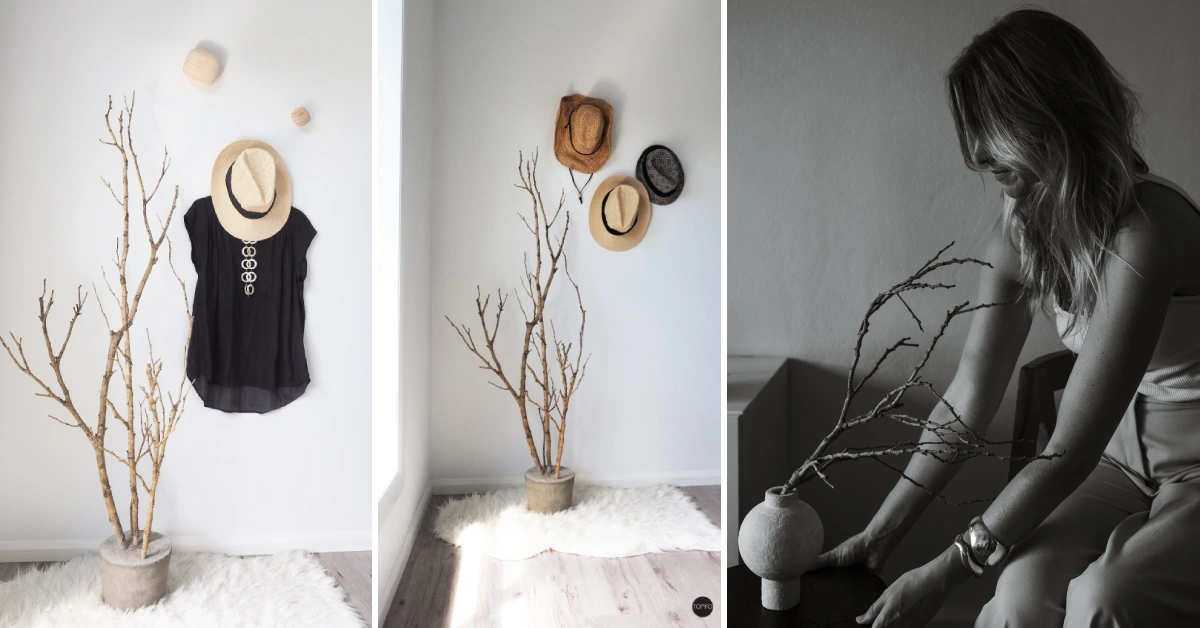
Start with outdoor walks to collect fallen branches. Look for branches that are dry, sturdy, and have interesting shapes. Birch, willow, hazel, and cherry wood are popular choices because of their texture and flexibility.
Preparation steps:
- Gently brush off any dirt, leaves, or insects
- Wipe branches with a damp cloth if needed
- Sand rough edges for a cleaner appearance
- Trim to desired lengths with clean cuts
Styling Techniques
Anchor your arrangement in a heavy, wide-mouthed ceramic vase or glass container so it stays perfectly balanced, even with tall, top-heavy branches. To create visual interest, use a floral frog or crumpled chicken wire hidden inside the vase to secure the branches.
Once your branches are clean and cut to size, arrange them at different heights and angles to create dynamic, eye-catching layers that draw the gaze upward.
Adding Decorative Elements
For painted finishes, use foam brushes for smooth coverage and let each coat dry completely before adding decorative elements. Consider matte white, soft grays, or metallic finishes for modern spaces.
Pyntekvister Maintenance and Care
Preserving Natural Branches
Keep Pyntekvister in a dry environment to avoid mold. If painted, use a sealant spray to preserve color. Dust them gently to maintain their fresh appearance.
Natural branches can last months with proper care. Replace when they become brittle or lose their visual appeal.
Seasonal Refreshing
You can refresh or completely change pyntekvister with the seasons. Unlike static artificial plants, natural branches can actually bud and bloom indoors through a process called forcing, bringing a dynamic, living element to your space that evolves.
Swap branch types and decorative elements quarterly to maintain visual interest throughout the year.
Sustainability and Cost Benefits
Pyntekvister enjoys renewed interest due to its eco-friendly nature, perfectly aligning with biophilic design principles that prioritize our innate human connection to the natural world, alongside reusability and local sourcing that support sustainable harvesting.
Unlike mass-produced decorations, pyntekvister can be composted when no longer needed, creating zero waste.
Decorating with pyntekvister is both intentional and budget-friendly. You can easily anchor a room using foraged fallen branches, garden clippings, or just a few affordable stems from a local florist.
This approach offers significant savings compared to fresh flower arrangements or expensive artificial alternatives.
Common Pyntekvister Mistakes to Avoid
Design Pitfalls
Common mistakes include overcrowding elements (simplicity is part of the aesthetic), ignoring scale (match the arrangement size to the space), and clashing colors (ensure harmony with the room’s palette).
Another frequent misstep is pairing heavy branches with a light, top-heavy vase; switch to a wider, heavier base or add weight inside.
Maintenance Issues
Avoid using fresh-cut living branches indoors, as they may attract insects or develop mold. Always source fallen or properly dried materials.
Where to Buy Quality Pyntekvister?
Retail Options
Many local florists and garden centers carry these elegant decorative branches, often with unique selections that vary by season.
Online marketplaces offer wider selections, including handcrafted versions that allow you to choose pieces made with care and creativity.
DIY Sourcing
You can collect responsibly from local parks or forests, use prunings from your garden, or purchase from florists and craft stores.
Always follow local regulations when collecting natural materials from public areas.
Modern Trends in Pyntekvister Design
Current trends include smart lighting integration with LED-embedded branches for interactive displays, modular designs with easily interchangeable seasonal elements, and eco-enhanced materials using biodegradable paints and finishes.
Two current trends stand out: tall, architectural arrangements that create a single focal line in a minimalist room, and small, low clusters that add texture to shelves without competing with books or art.
FAQs
What trees make the best pyntekvister?
Birch, willow, hazel, and cherry are popular choices due to their visual appeal and flexibility.
How long do natural pyntekvister last?
With proper care, natural branches can maintain their appearance for 3-6 months indoors.
Can Pyntekvister work in modern homes?
Yes, their minimalist aesthetic complements contemporary design while adding natural texture.
Are pyntekvister only for winter decorating?
Not at all. While popular during Christmas and seasonal transitions, pyntekvister work beautifully year-round.
How do I prevent branches from dropping debris?
Choose properly dried branches and place them away from high-traffic areas. Regular gentle dusting helps maintain cleanliness.
Pyntekvister represents more than simple decoration. They offer an affordable, versatile, and deeply aesthetic solution that reflects simplicity, sustainability, and intentional living. Whether you’re creating seasonal displays or year-round arrangements, this Nordic tradition brings timeless natural beauty to modern homes.