
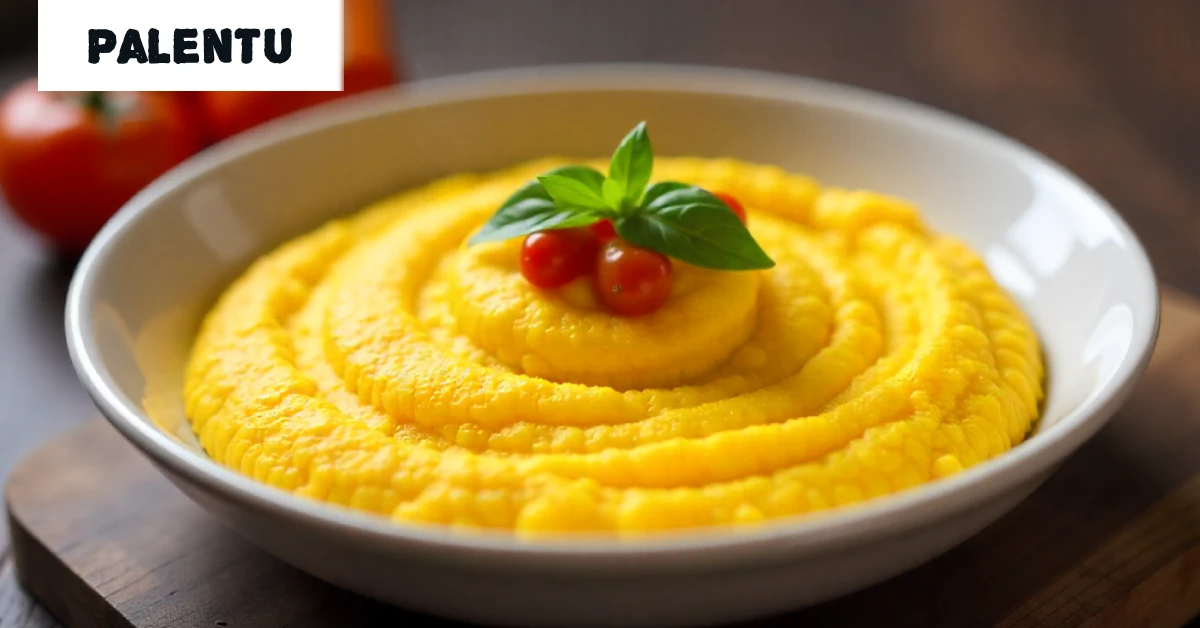
Palentu is a traditional dish made by slowly cooking ground cornmeal in liquid until it reaches a thick, creamy consistency. Often called polenta in Italian cuisine, this naturally gluten-free food can be served soft and porridge-like or cooled into a firm texture that can be sliced, grilled, or fried.
Ever wonder why some dishes seem to transcend generations? Palentu is one of those rare foods that has survived centuries because it does something remarkably simple: it brings comfort without pretense. This traditional cornmeal dish has fed families across continents, adapted to countless cuisines, and remained relevant from peasant kitchens to fine dining restaurants.
If you’re looking to understand what makes palentu special, how to prepare it properly, or why it continues to matter in modern cooking, you’ve come to the right place. This guide covers everything from its ancient origins to practical cooking techniques you can use tonight.
Where Palentu Comes From?
The story of palentu begins long before corn arrived in Europe. Ancient Romans ate similar grain-based porridges made from millet, barley, and farro. When explorers brought maize from the Americas in the 16th century, everything changed. Corn proved affordable, abundant, and easier to grow than traditional grains.
Rural communities across Northern Italy, Switzerland, and parts of Eastern Europe quickly adopted cornmeal as a staple. Families cooked large batches in copper pots, stirring for hours over open flames. The dish became more than sustenance—it represented resourcefulness and community. People would spread palentu on wooden boards in the center of tables, topping it with whatever they had: stews, vegetables, cheeses, or cured meats.
Each region developed its own identity through palentu. In Lombardy and Piedmont, cooks mixed in creamy cheeses. Tuscan versions paired it with robust tomato sauces. Romanian families made mămăligă, serving it with sour cream and feta. These variations show how a simple cornmeal base can reflect local tastes and available ingredients.
What Goes Into Palentu
The beauty of palentu lies in its simplicity. You need just a few core ingredients:
- Cornmeal forms the foundation. Yellow or white varieties work equally well, though they offer slightly different flavors. The grain should be finely ground for a smooth texture. Coarse cornmeal creates a grittier result that some people prefer for authenticity.
- Liquid determines the final consistency. Water keeps it simple and traditional. Broth adds savory depth. Milk creates a richer, creamier dish. The ratio matters: more liquid gives you a soft, flowing texture; less produces a firmer result you can slice later.
- Salt enhances the natural sweetness of corn. A pinch makes all the difference in bringing out flavors without overpowering them.
- Optional additions include butter for richness, olive oil for a Mediterranean touch, cheese for depth, or herbs like rosemary and sage for aromatic notes. These extras transform basic palentu into something distinctive.
How to Cook Palentu Properly
Getting patience right requires patience, not skill. Here’s the process that works:
- Start by bringing four cups of water or broth to a vigorous boil in a heavy-bottomed pot. Add a teaspoon of salt. The key moment comes next: slowly pour one cup of cornmeal into the boiling liquid while whisking constantly. Adding it too quickly creates lumps that are difficult to smooth out.
- Once all the cornmeal is incorporated, reduce the heat to low. Switch from a whisk to a wooden spoon. Stir continuously for 15 to 20 minutes. Yes, continuous stirring feels tedious, but this step ensures even cooking and prevents clumping. You’ll notice the mixture thickening and pulling away from the sides of the pot.
- When the texture becomes smooth and creamy, remove it from heat. Let it rest for five minutes—this allows the flavors to settle and the consistency to stabilize. At this point, you can stir in butter, cheese, or any finishing touches.
For soft palentu, serve immediately while it flows easily. For firm palentu, pour the mixture onto a greased surface or into a shallow pan. Smooth it out to an even thickness, then let it cool completely. Once set, you can cut it into slices, squares, or any shape you prefer.
Regional Differences Worth Knowing
Palentu transforms based on where it’s made. In Brazil’s southern regions, Italian immigrants introduced polenta that’s now served with rich meat sauces or as appetizers with various dips. African countries like Uganda and Kenya prepare similar maize dishes with local spices and vegetables, creating entirely different flavor profiles.
Swiss versions often accompany melted cheese or sausages. Italian preparations range from creamy bowls topped with wild mushrooms to firm slices layered like lasagna with meat and cheese, then baked until golden. Each interpretation maintains the cornmeal base while embracing regional ingredients and cooking methods.
This adaptability explains palentu’s longevity. It doesn’t demand specific accompaniments or rigid preparation rules. Instead, it welcomes whatever a cook has on hand, making it practical across different economic conditions and geographic locations.
Why Palentu Benefits Your Health
Beyond comfort and tradition, palentu offers real nutritional advantages. The dish is naturally gluten-free since it comes from corn, making it suitable for people with celiac disease or gluten sensitivities.
Cornmeal contains approximately 77.8% carbohydrates, providing steady energy throughout the day. Unlike simple sugars that spike blood sugar quickly, the complex carbohydrates in palentu digest more slowly, maintaining consistent energy levels.
In 2022, Americans consumed 35.5 pounds of corn products per person, showing continued relevance in modern diets. The fiber content in whole-grain cornmeal supports digestion and promotes regular bowel movements. It also feeds beneficial gut bacteria.
Cornmeal supplies 365 calories per 100 grams with 10% protein and 4% fat, along with B vitamins like niacin and thiamine. Minerals including iron, magnesium, and phosphorus contribute to various bodily functions, from energy production to bone health.
The nutritional profile improves when you add complementary ingredients. Serving palentu with vegetables increases vitamin and mineral intake. Pairing it with proteins creates a more complete amino acid profile. The dish serves as an excellent canvas for building balanced meals.
Common Cooking Mistakes to Avoid
Even experienced cooks can stumble with palentu. One frequent error involves using insufficient liquid. If you skimp on water or broth, the mixture becomes too thick and dry. Aim for a ratio of at least four parts liquid to one part cornmeal.
Failing to stir consistently creates lumps that ruin the smooth texture people expect. You can’t walk away during those crucial 15 to 20 minutes of cooking. The stirring distributes heat evenly and prevents starch molecules from clumping together.
Using low-quality cornmeal affects both flavor and texture. Look for finely ground cornmeal specifically labeled for polenta or palentu. Coarser varieties meant for other purposes won’t produce the same creamy result.
Many cooks forget to season during cooking, waiting until serving time. Adding salt early allows it to penetrate the cornmeal as it cooks, developing deeper flavor throughout the dish rather than just on the surface.
Skipping the resting period after cooking is another missed opportunity. Those five minutes off the heat let flavors meld and the texture stabilize, resulting in a more cohesive final product.
What to Serve With Palentu
The neutral flavor of palentu makes it incredibly versatile. Rich, hearty stews like beef ragu or chicken cacciatore pair beautifully—the creamy cornmeal absorbs the savory sauces while providing textural contrast.
Grilled or roasted vegetables add freshness and color. Try sautéing spinach, zucchini, or bell peppers in olive oil and garlic. Cherry tomatoes, radishes, or crumbled feta cheese create bright, lighter accompaniments when you want something less heavy.
Cheese lovers should experiment with different varieties. Grated Parmesan adds sharp, salty notes. Crumbled goat cheese brings tanginess. Melted fontina creates stretchy richness. Each cheese changes the character of the dish in interesting ways.
Condiments like pesto, aioli, or tapenade offer exciting twists without overwhelming the base. A dollop of any of these spreads transforms simple palentu into something restaurant-worthy.
For firm palentu, consider using slices as a substitute for bread or pizza crust. Top them with traditional pizza ingredients, bake until the toppings heat through, and you have a gluten-free alternative that satisfies different dietary needs.
Why Palentu Remains Relevant
In a world of complex recipes and exotic ingredients, palentu endures because it doesn’t try too hard. The dish offers comfort through simplicity, requiring just cornmeal, liquid, and time. This accessibility means anyone can make it regardless of cooking experience or budget constraints.
The emotional connection matters too. Many people associate palentu with family gatherings, handed-down recipes, and childhood memories. Preparing it becomes an act of connection to heritage and previous generations. The ritual of stirring, waiting, and sharing creates moments that transcend the food itself.
From a practical standpoint, palentu solves real problems. It feeds people affordably. It accommodates various dietary restrictions. It stores well and reheats easily. Leftovers can be repurposed into completely different dishes, reducing food waste.
Modern chefs have embraced palentu in fine dining, showing that humble origins don’t limit creative potential. When a food can work equally well in a farmhouse kitchen and a Michelin-starred restaurant, it proves its fundamental appeal.
Making Palentu Part of Your Cooking
Start simple. Your first attempt should focus on mastering the basic technique: proper liquid ratios, consistent stirring, and achieving the texture you want. Once you’re comfortable with the fundamentals, experiment with additions and variations.
Try cooking palentu in vegetable broth instead of water for extra flavor without adding calories. Stir in fresh herbs at the end of cooking for aromatic notes. Top it with whatever vegetables are in season or proteins you already have on hand.
Make a large batch and refrigerate half. Use the chilled, firm palentu throughout the week—slice and grill it for breakfast alongside eggs, cube it for salads, or fry wedges as an appetizer. This approach maximizes your cooking time and provides variety from a single effort.
Share palentu with others. The communal nature of spreading it on a board or serving it family-style encourages conversation and connection. These shared experiences are what transform a simple cornmeal dish into a tradition worth preserving.
Palentu has survived centuries because it adapts, nourishes, and brings people together. Whether you’re drawn to its cultural significance, nutritional benefits, or pure comfort, this dish offers something genuine in an increasingly complicated culinary landscape.