
Ensuring the safety and dignity of elderly loved ones in nursing homes is a top priority for many families in Sandy Springs. While most care facilities are committed to compassionate service, elder abuse remains a persistent risk that no family can afford to ignore. Statistics reveal that nearly 16 percent of residents in care facilities report abuse, making vigilance essential. When signs of mistreatment appear, knowing how to take meaningful legal steps can provide the protection your loved ones deserve. If you find yourself in need of professional guidance, a trusted Sandy Springs nursing home abuse attorney can help families protect their rights and those of their relatives.
Understanding your options is critical for holding care facilities and perpetrators accountable. Acting quickly can stop ongoing harm, secure compensation for damages, and prevent future injustice for others in the Sandy Springs community.
Understanding Elder Abuse
Elder abuse encompasses various forms, including physical, emotional, sexual, financial harm, neglect, and abandonment. Key indicators to identify potential abuse include unexplained injuries, mood changes, fearfulness, and poor hygiene. The National Council on Aging notes that millions are affected by elder abuse, which can be concealed under normal aging or minor accidents. Awareness must be raised among family members, friends, neighbors, and healthcare providers due to the subtle nature of some abuse forms, like financial exploitation. Transparency from institutions can be lacking, making it essential for families to observe details and maintain open communication with loved ones and staff. Educating oneself about warning signs in the elderly is crucial for prevention.
Choosing the Right Facility
Choosing a reputable nursing home is crucial for safeguarding loved ones. It is important to review inspection reports, visit various facilities, and communicate with the families of residents. Look for homes with a favorable staff-to-resident ratio and valid accreditations. The AARP provides useful guidance for evaluation. Inquire about staff qualifications, background checks, and openness to family involvement in care decisions, as these reflect the facility’s transparency and accountability. Additionally, assess how residents can voice concerns and the clarity of grievance procedures.
Regular Visits and Observations
Consistent, unannounced visits at varying times help reveal the true quality of care being provided. Family involvement is an established deterrent to abuse. Pay particular attention to your loved one’s demeanor and physical condition, as well as to staff reports during these visits. Simple observations can highlight changes that might otherwise go unnoticed until serious harm occurs.
Families are encouraged to maintain a simple log or diary documenting their observations during each visit, including any changes in physical health, room cleanliness, and staff responsiveness. This information can be invaluable if a pattern of neglect or maltreatment arises and needs to be formally investigated.
Building Relationships with Staff
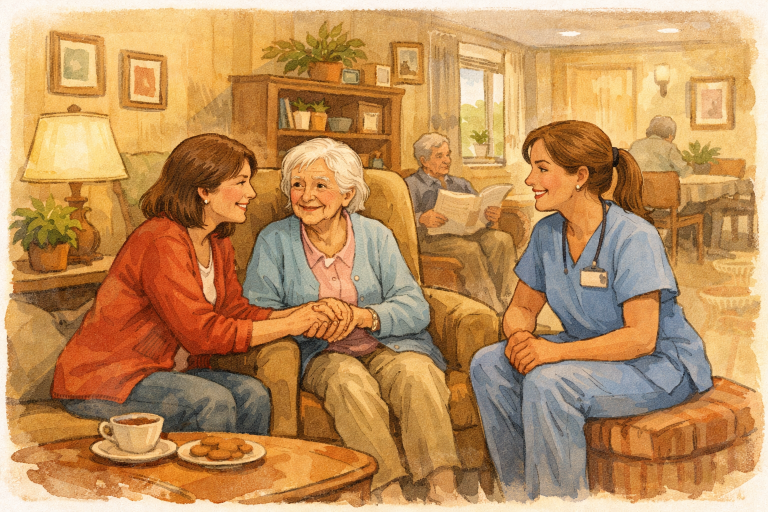
Establishing a cooperative relationship with caregivers and administrators often leads to improved communication and transparency. Staff aware of an involved family may be more attentive to delivering quality care. Learning about the facility’s escalation process for complaints ensures you know how to act swiftly if concerns arise.
Attend family council meetings if the facility offers them, as these sessions foster community and can provide collective support when safety or care issues arise. These meetings often lead to direct collaborations with facility management and give families a stronger, unified voice in advocating for all residents.
Educating Your Loved One
Knowledge is a valuable defense. Help your loved one understand their rights, how to identify mistreatment, and the importance of reporting uncomfortable situations. Even if a resident feels vulnerable, knowing there are trusted advocates both inside and outside the facility can counter feelings of isolation.
Encourage open lines of communication so your loved one feels safe confiding in you. Provide them with visible reminders (such as emergency numbers or advocacy hotline cards) in their personal space. Sometimes, reluctance to speak up is rooted in fear of retaliation or a sense that nothing will change; showing that you and others will take their concerns seriously can empower them to become their own best advocates within the facility.
Monitoring Financial Transactions
Financial abuse in elder care settings is rising. To protect your loved one, review banking and financial statements regularly and look for suspicious activity. You may also consider setting alerts for unusual withdrawals or transfers. According to Forbes, proactive oversight can help families detect and stop financial exploitation quickly.
Financial exploitation can occur through undue influence, unauthorized access to accounts, or pressure to change legal documents such as wills or powers of attorney. Appointing a trusted family member or third-party professional as a financial monitor can deter abuse and facilitate fast interventions should discrepancies arise. Additionally, keep all valuables out of plain sight and ensure that facility staff respects privacy and property rights at all times.
Reporting Suspected Abuse
If you see signs of abuse, thoroughly document everything, including dates, times, and incident details. Report suspicions to management or contact Georgia’s Adult Protective Services or the proper agency. Prompt action can stop abuse and prompt an investigation. Reporting should not lead to retribution; laws protect whistleblowers and require cooperation. Keep detailed records to assist authorities and support legal action if needed. If there is immediate danger, call 911.
Seeking Legal Assistance
If concerns aren’t resolved internally or injuries are serious, legal support is crucial. An elder law attorney can help file claims, gather evidence, and start civil litigation, aiming for justice and systemic change. A lawyer specializing in nursing home abuse understands Georgia elder law, including interviewing witnesses, obtaining records, and securing expert testimony. Legal action can lead to policy improvements and better staff training, benefiting all residents. Legal recourse isn’t just about money; it’s about protecting elders’ rights and creating a safer community. Vigilance, compassion, and legal knowledge enable families in Sandy Springs to protect their loved ones from abuse by holding facilities accountable.
Conclusion
In conclusion, preventing elder abuse requires ongoing vigilance, education, and active involvement from families and communities. By understanding the warning signs, carefully selecting care facilities, maintaining regular communication, and monitoring both emotional and financial well-being, families can significantly reduce the risk of mistreatment. Prompt reporting and legal action when abuse is suspected not only protects vulnerable seniors but also helps improve standards of care for others. Through awareness, advocacy, and compassion, families can play a vital role in ensuring older adults live with the dignity, safety, and respect they deserve.