
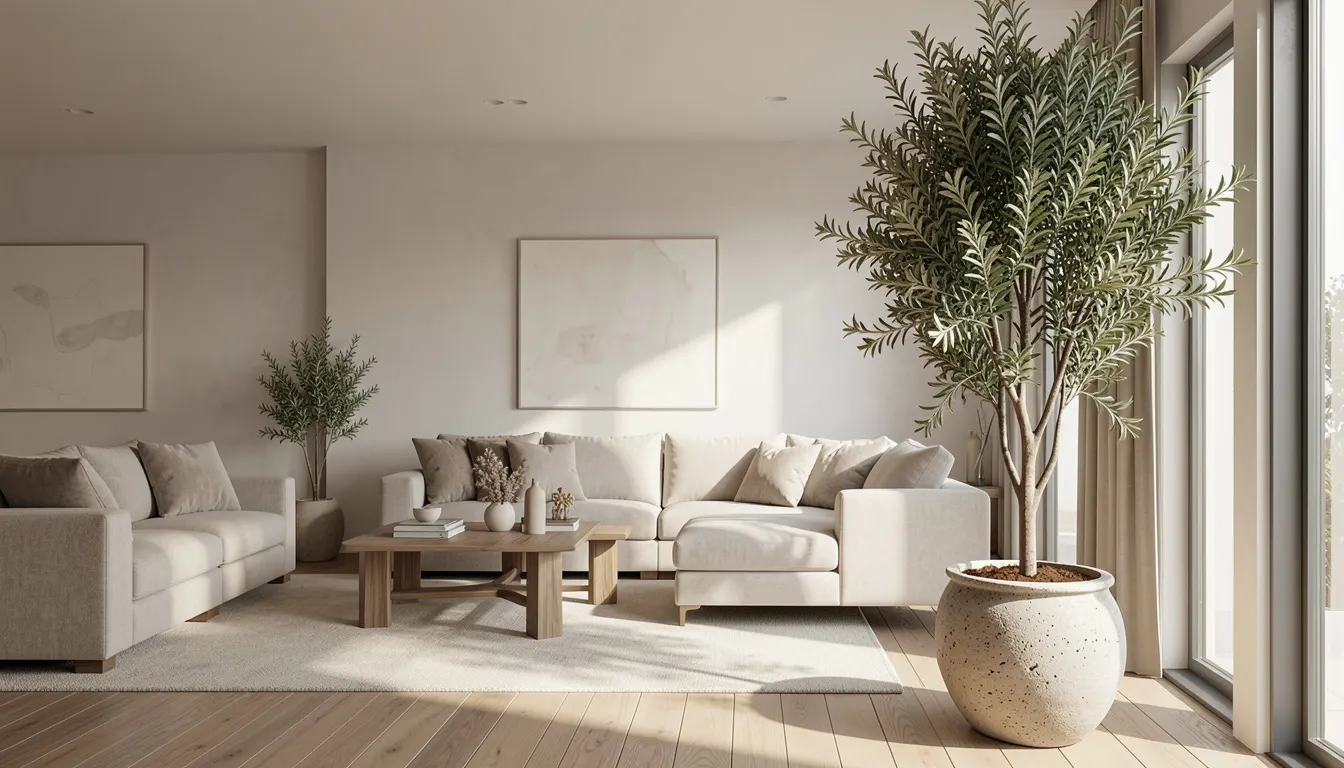
Artificial olive trees have emerged as a chic and enduring element in home decor, bridging the gap between nature-inspired serenity and zero maintenance appeal. With a range of sizes, textures, and styles to choose from, they can complement nearly any interior design schema.
However, selecting the right artificial olive tree requires attention to detail and an understanding of one’s own space and stylistic intentions. In this article, we’ll explore the critical features to consider when choosing an artificial olive tree for your home.
Selecting the Perfect Size for Your Space
Proportion is paramount when incorporating any artificial plant into your decor. An oversized tree can overwhelm a room, while one that’s too small may go unnoticed. Opting for a tree that harmonizes with your room’s scale can create a balanced aesthetic.
To determine the appropriate size, measure the ceiling height and available floor space where the tree will be positioned. This ensures the tree complements, rather than competes with, other design elements. Additionally, consider the tree’s width, particularly if you’re placing it in a confined space or corner.
Actionable guidance involves using painter’s tape to outline the tree’s dimensions on the floor, visualizing how it will fit into the room. It’s also smart to leave extra room around the tree for a natural look, avoiding a crammed or cluttered feeling. artificial olive tree
Realistic Appearance: Examining Texture and Color Variation in Artificial Olive Trees
For any faux plant, a lifelike appearance is crucial; it should mimic the olive tree’s distinct silvery-green leaves and gnarly branches with convincing realism. An inauthentic look can cheapen the overall feel of your decor.
Situate yourself close to the artificial olive tree to inspect the leaves’ color gradients and the texture of the branches. These nuances can make a significant difference in emulating a living olive tree. Pay attention to how the tree appears under different lighting conditions, ensuring it maintains its realism throughout the day.
Before purchasing, you might want to request a sample or visit showrooms where you can inspect the product firsthand. This allows you to touch and feel the materials, and if that’s not possible, seek out high-resolution images or customer reviews online that highlight these details.
Durability and Maintenance: Materials and Construction
The build quality of an artificial olive tree determines its durability and lifespan. Good materials resist fading and wear, ensuring that your tree looks fresh and vibrant for years. Most high-quality artificial plants are made of silk, plastic, or a blend, which offer varying degrees of durability.
Examine the tree’s construction, such as how branches are attached to the trunk and how the leaves are affixed to the branches. Look for robust internal wires that allow for flexible branch shaping without breakage. Scrutinize the stability of the base to prevent tipping and examine if the materials used are suitable for outdoor use, if necessary.
Maintenance advice is simple: seek out trees that are easy to clean without needing special products. Your artificial olive tree should withstand the occasional dusting or a wipe with a damp cloth. It’s also important to verify the manufacturer’s care instructions to avoid inadvertently damaging the tree.
Style Integration: Matching Artificial Olive Trees with Your Home Decor Aesthetic
An artificial olive tree must not just physically fit into a room but also seamlessly tie into the existing decor style. Whether your home showcases a minimalist, Mediterranean, or eclectic aesthetic, the tree should serve as a complementary accessory, not a discordant element.
Consider the container that comes with the tree or the planter you intend to use, as it’s an integral part of the overall design. The material, color, and shape of the planter can either enhance or detract from the tree’s ability to blend with your decor. Evaluate how the tree’s foliage and form work with your color scheme and furniture style.
Actionably, take swatches of your paint and fabric when shopping for the tree to ensure compatibility. Alternatively, harness digital tools or apps that allow you to visualize the tree within your space before committing to a purchase. This proactive approach helps to ensure a harmonious integration.
Ultimately, artificial olive trees offer versatility and enduring appeal for home decor enthusiasts, but only when chosen mindfully. Size, lifelike appearance, durability, and style cohesion are all key aspects that must be carefully considered. When analyzed thoroughly, these elements can lead to the selection of an artificial olive tree that stands out as an elegant and practical component of your living space for many years to come.