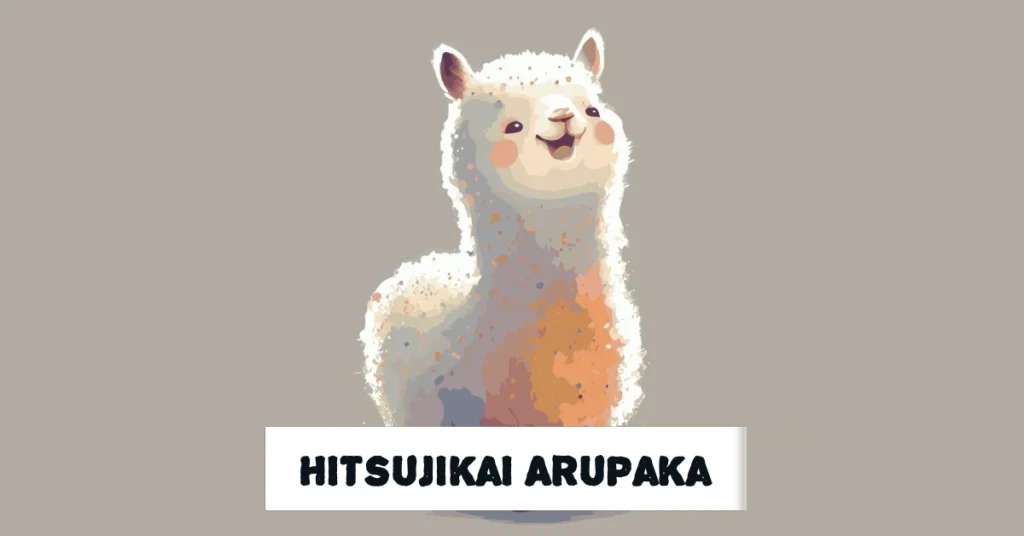
Hitsujikai Arupaka, meaning “Shepherd Alpaca” in Japanese, bridges two worlds — the ancient Andean tradition of alpaca herding that has thrived for over 6,000 years, and the modern Japanese cultural imagination. The term blends the legacy of llamichos (Quechua alpaca shepherds) with today’s creative expressions found in fan fiction, lifestyle ideals, and alpaca-themed tourism — all symbolizing harmony, mindfulness, and gentle coexistence.
When you hear “Hitsujikai Arupaka,” you’re encountering something far richer than a simple phrase. This Japanese term—literally meaning “Shepherd Alpaca”—serves as a bridge between worlds: ancient Andean highlands where shepherds have guided alpaca herds for millennia, and modern Japanese culture where the concept has taken root in surprising ways.
What Hitsujikai Arupaka Actually Means
The phrase breaks down into two components: hitsujikai (羊飼い), meaning shepherd, and arupaka (アルパカ), the Japanese pronunciation of alpaca. While straightforward in translation, the term carries multiple meanings across different contexts.
The phrase has emerged in Japanese culture through various channels—from fan-created characters embodying alpaca-like gentleness to lifestyle philosophies promoting calm, purposeful living. Some Japanese alpaca farms have adopted the name, while others use it metaphorically to describe protective, nurturing behavior.
What makes this term particularly interesting is how it preserves and reinterprets an occupation that predates most modern civilizations. The alpaca shepherds of the Andes, known as llamichos in Quechua, practiced their craft for over 6,000 years before the phrase ever entered Japanese vocabulary.
6,000 Years of Llamichos in the Andes
Alpacas were domesticated from wild vicuñas between 6,000 and 7,000 years ago in the central Andes Mountains. This domestication occurred at breathtaking altitudes—between 3,500 and 5,000 meters above sea level—where thin air and extreme weather make survival challenging.
Ancient Andean communities didn’t simply tame these animals. They cultivated a relationship built on mutual survival. Through selective breeding, they developed two distinct varieties: the Huacaya alpaca, producing dense, crimped fiber (comprising about 90% of today’s population), and the rarer Suri alpaca, yielding long, silky locks prized by Inca royalty.
The partnership was remarkably sustainable. Alpacas provided:
- Fiber is 7 times warmer than sheep’s wool
- Protein-rich meat for harsh conditions
- Fuel from dried dung in treeless highlands
- Natural fertilizer maintains soil health
Who Were the Llamichos?
The shepherds managing these herds held specialized knowledge passed through generations. Called llamichos, they were respected figures whose expertise extended far beyond simple herding.
These shepherds practiced rotational grazing across dramatic mountain terrain, moving herds seasonally to prevent overgrazing of fragile alpine meadows. They mastered plant medicine, treating sick animals with native herbs. They understood each animal’s lineage and fiber quality, maintaining breeding records through oral tradition and physical markers.
Life at altitude demanded constant vigilance. Llamichos faced extreme weather, predators, and terrain that could shift from sunny to snowy within hours. Yet this profession represented more than economic necessity—it embodied cultural continuity, a living connection to ancestors who had walked the same paths for millennia.
Sacred Alpacas of the Inca Civilization
By the time the Inca Empire rose to power, alpacas had achieved sacred status. White-fleeced alpacas were considered direct gifts from the gods. Their fiber wasn’t for common use—it was reserved exclusively for royalty and high priests.
The Inca valued alpaca fiber more than gold or silver. Only designated craftsmen could weave it, and a piece of alpaca cloth represented the most precious gift one could give. Textiles signified social status and spiritual authority in ways modern societies reserve for precious metals.
Ceremonies and Cosmic Balance
Alpacas played central roles in Inca religious life. The deity Urcuchillay, represented by what Western astronomers call the constellation Lyra, was believed to protect llamas and alpacas. This celestial guardian occupied an important place in Andean cosmology.
During major festivals like Inti Raymi (Festival of the Sun) and Capac Raymi, alpacas were sacrificed at the Temple of the Sun in Cusco. Every morning, Inca priests presided over the sacrifice of a llama or alpaca. These weren’t merely rituals—they were believed to maintain cosmic balance and ensure agricultural fertility.
At sacred sites called huacas throughout the empire, alpaca offerings served both religious and political purposes. Through these ceremonies, the Inca established hierarchy while honoring regional beliefs.
The Spanish Conquest and Near Extinction
When Spanish conquistadors arrived, they failed to recognize alpacas’ value. Viewing them merely as competitors for grazing land needed for European sheep, the Spanish slaughtered alpacas by the thousands.
What had been a thriving economy based on selective breeding—producing fiber potentially finer than today’s best alpacas—nearly ended. Surviving Inca communities fled to the highest mountain reaches, taking their remaining alpacas with them. There, in harsh conditions that Europeans wouldn’t settle, the alpaca population endured.
Peru’s Modern Alpaca Herding Tradition
Today, approximately 120,000 subsistence farming families in Peru’s highlands depend on alpaca herding. Peru houses 87% of the world’s 3.5 million alpacas, with most herds maintained by small family operations averaging 30-50 animals.
Herding remains multi-generational work. You’ll often see three generations caring for a single herd, passing down knowledge about grazing patterns, health care, and seasonal migration that stretches back centuries.
The relationship between highland shepherds and the fiber industry remains complex. While Peru exported $175 million worth of alpaca products in recent years, many shepherds live in poverty. A kilogram of processed fiber sells for approximately $29—far below the $42 peak reached in the 1980s.
Sustainable Fiber Production
Alpaca farming offers genuine sustainability advantages. Alpacas graze gently without damaging root systems, require less water than sheep or goats, and their padded feet cause minimal soil erosion compared to hooved animals.
The fiber itself contains virtually no lanolin, making it hypoallergenic. Its semi-hollow core provides exceptional warmth without weight—three times stronger than sheep’s wool and naturally water-repellent. Alpaca fiber comes in 22 natural colors, reducing the need for chemical dyes.
Organizations like Threads of Peru and Awamaki now partner with local weavers, offering fair wages while revitalizing traditional techniques. These programs integrate ancestral knowledge with sustainable breeding, ensuring both cultural preservation and economic viability.
Hitsujikai Arupaka — Japan’s Beloved Fan Creation
Within anime and manga fan communities, Hitsujikai Arupaka has emerged as a fan-created character described as a “pink llama-girl.” She represents a type called a heteromorph—humans with distinct animal features.
Her character embodies the gentle, friendly spirit associated with alpacas. Described as kind-hearted though slightly anxious, she’s typically portrayed as a high school student whose appearance—complete with pink fur and elongated neck—immediately communicates warmth and non-threatening nature.
The name choice is deliberate. While she doesn’t literally herd alpacas across mountains, her role within stories mirrors the protective, nurturing function of ancient shepherds. She looks after friends, offers support, and provides guidance—a modern, metaphorical keeper of her social circle.
This character creation reflects moe anthropomorphism, a trend in Japanese fan culture since the early 2000s, where fans create humanized versions of animals, objects, and concepts. These characters blend human traits with visual cues from their source material.
Not Related to Daitoshokan no Hitsujikai
It’s worth noting that “Daitoshokan no Hitsujikai” (A Good Librarian Like a Good Shepherd) is a separate anime and visual novel series. While it shares the word “hitsujikai” (shepherd), it focuses on a library club and a mysterious figure called the Shepherd—completely unrelated to alpacas or the fan-created Hitsujikai Arupaka character.
Hitsujikai Arupaka as Lifestyle Tradition
Beyond characters and history, Hitsujikai Arupaka has been adopted as a lifestyle concept promoting mindful simplicity. This interpretation emphasizes:
- Peaceful living: Taking each moment without rushing
- Compassionate guidance: Leading with empathy rather than authority
- Natural balance: Finding harmony between work, rest, and connection
- Appreciating simplicity: Valuing small pleasures over constant achievement
This philosophy shares DNA with concepts like ikigai (reason for being) and wabi-sabi (beauty in imperfection), but adds playful warmth. It asks: What if you approached life like a shepherd guides alpacas—calmly, patiently, trusting natural rhythms?
The alpaca itself embodies these principles. Calm but aware, gentle yet strong, social while self-contained—alpacas demonstrate that confidence doesn’t need to roar. Sometimes strength hums quietly in the background.
Practical Applications
People incorporating the Hitsujikai Arupaka philosophy suggest:
- Starting mornings slowly with a ritual rather than rushing
- Simplifying physical spaces to reduce mental clutter
- Choosing compassion over competition in relationships
- Finding joy in ordinary moments—sunlight, laughter, rain
- Protecting inner peace as carefully as shepherds guard their flocks
This isn’t about grand transformations. It’s about recognizing that peace isn’t earned through achievement but chosen through awareness.
Alpaca Tourism in Japan
Some Japanese farms have adopted the name Hitsujikai Arupaka, offering visitors chances to interact with these South American animals. These farms typically provide:
- Feeding experiences with farm-provided treats
- Educational tours about alpaca behavior and wool harvesting
- Hands-on activities like wool-spinning workshops
- Scenic countryside settings are perfect for photography
Spring (March-May) and autumn (September-November) offer the best visiting conditions, with mild weather and beautiful surrounding scenery.
The presence of alpacas in Japan—far from their native Andes—demonstrates how animals and cultural concepts travel. Alpacas weren’t introduced to North America, Europe, and Asia until the 1980s, yet they’ve quickly become beloved for the same qualities that made them sacred to the Inca.
1. Universal Appeal
Alpacas possess traits that resonate across cultures. Their calm, curious nature makes them pleasant companions. Their faces appear perpetually friendly, with large eyes and soft expressions. They communicate distress through gentle humming rather than aggression.
This temperament has made them increasingly popular for therapy work and educational programs. They rarely bite or kick, preferring to simply move away from discomfort. Their peaceful presence has therapeutic effects that modern stress-reduction programs increasingly recognize.
2. Environmental and Economic Value
Beyond personality, alpacas offer practical benefits. The global alpaca fiber industry has grown substantially, with Peru’s exports projected to double within five years. The fiber’s properties—hypoallergenic, exceptionally warm, naturally water-resistant, and available in multiple natural colors—make it increasingly desirable as consumers seek sustainable alternatives to synthetic materials.
Small-scale herding provides crucial income for at least 50,000 Andean families. When you purchase alpaca products from ethical sources, you’re supporting communities maintaining traditions that predate written history.
| Property | Alpaca Fiber | Sheep’s Wool |
|---|---|---|
| Warmth | 7x warmer | Baseline |
| Allergens | None (no lanolin) | Contains lanolin |
| Weight | Lightweight | Heavier |
| Water Resistance | Natural repellency | Moderate |
| Environmental Impact | Low resource use | Higher requirements |
| Strength | 3x stronger | Standard |
The Bridge Between Worlds
The term Hitsujikai Arupaka ultimately reveals something profound about how culture evolves. It takes an occupation from 6,000-year-old pastoral traditions and reinterprets it through modern Japanese cultural lenses—sometimes as a gentle fictional character, sometimes as a lifestyle philosophy, sometimes as a tourist destination.
Each interpretation preserves something essential: the recognition that caring for others (whether animals, friends, or oneself) requires patience, knowledge, and gentle strength. Whether you’re a llama guiding herds through Andean peaks or someone choosing to approach modern life with alpaca-like calm, you’re participating in the same tradition—shepherding what matters through challenging terrain.
The alpaca’s journey from sacred Inca animal to near-extinction to global fiber industry and cultural icon mirrors humanity’s ability to recognize value, make devastating mistakes, and sometimes find redemption. The shepherds who saved these animals by fleeing to mountain heights preserved more than a species—they maintained a relationship, a way of being with the natural world that our modern moment desperately needs.
When you encounter “Hitsujikai Arupaka” now, you’ll understand it as more than words. It’s a reminder that some partnerships between humans and nature transcend time, geography, and even language—evolving but never truly changing at their core.
FAQs
How long have alpacas been domesticated?
Alpacas were domesticated 6,000-7,000 years ago from wild vicuñas in the Andes Mountains, making them among the oldest domesticated large mammals in the Americas.
What makes alpaca fiber special?
Alpaca fiber contains no lanolin (making it hypoallergenic), provides seven times more warmth than sheep’s wool, weighs less, naturally repels water, and comes in 22 natural colors.
Is Hitsujikai Arupaka related to the anime “Daitoshokan no Hitsujikai”?
No. While both use the word “hitsujikai” (shepherd), they’re completely separate. Daitoshokan no Hitsujikai is about a library club, while Hitsujikai Arupaka refers to alpaca-related concepts.
Where are most alpacas found today?
Peru houses 87% of the world’s approximately 3.5 million alpacas, with 70% raised by small family operations in the Andean highlands.
Why did the Inca consider alpacas sacred?
The Inca viewed white-fleeced alpacas as gifts from the gods, valued their fiber more than gold, and believed alpacas served as messengers between human and spiritual realms.