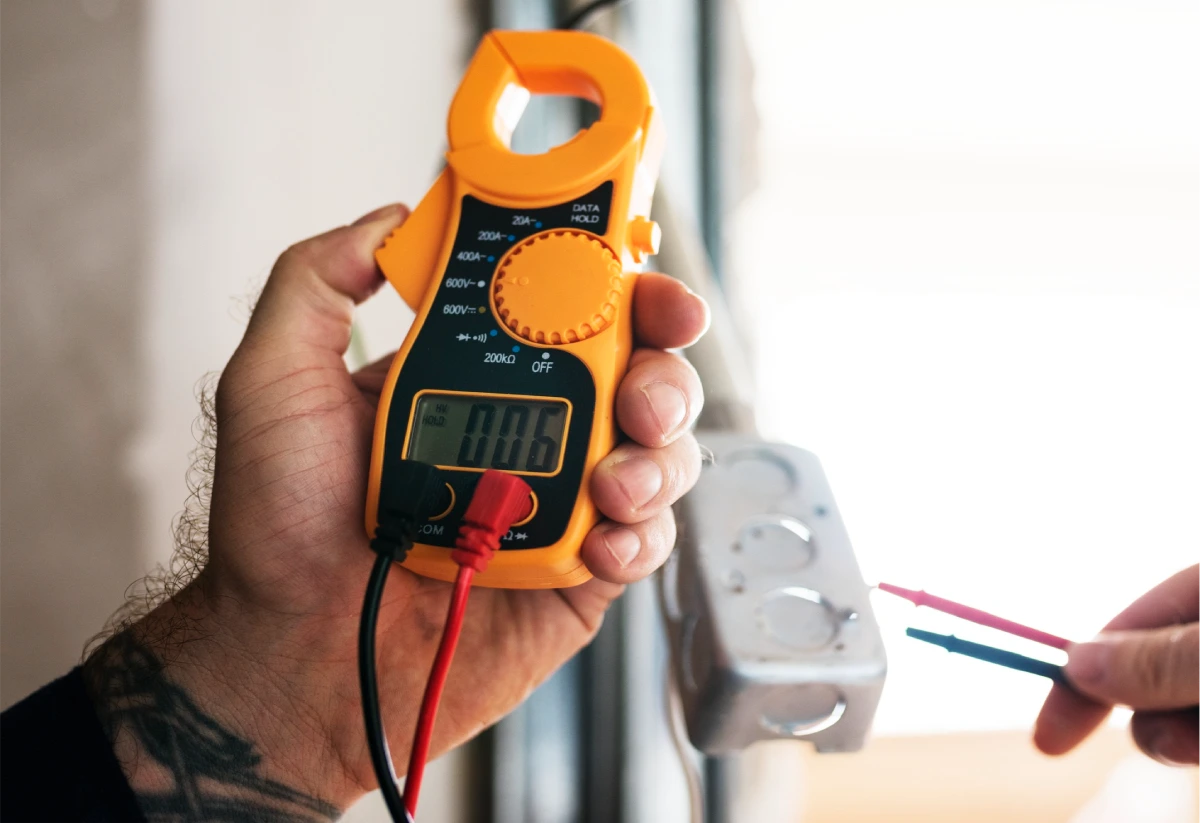
Prolonging the Life of Electrical Equipment Through Regular Testing
Maintaining the longevity and consistent performance of electrical equipment has never been more essential for today’s businesses and facilities. Unplanned equipment failures can pose significant safety hazards, cause operational downtime, and result in financial losses. By investing in regular testing and maintenance, organizations can uncover hidden issues before they escalate and ensure their teams and assets remain protected.
For those looking to deepen their electrical testing and refurbishing efforts, expert solutions are available at https://divergentalliance.com/electrical-equipment-testing-refurbishing/.
Proactive electrical testing enables early detection of insulation breakdowns, loose connections, and the natural degradation of components that can lead to catastrophic failures. When routine inspections are prioritized, costly repairs or replacements can be avoided—an advantage that not only safeguards your investments but also upholds operational integrity. Implementing a comprehensive preventive maintenance program is key to aligning with both safety goals and regulatory expectations.
Organized approaches to electrical equipment maintenance benefit every aspect of an operation, from compliance with governmental and industry requirements to improved budgeting by reducing unplanned expenses. Building a culture of regular inspections transforms reactive crisis management into a forward-thinking safety strategy. Frequent testing further reassures stakeholders that equipment is maintained to the highest standard, sustaining productivity and peace of mind.
Proper care doesn’t end with testing—ensuring that your testing tools and diagnostic equipment remain in peak condition enhances the accuracy of every inspection. Adherence to prescribed manufacturer protocols and modern best practices guarantees the reliability and longevity of these valuable instruments.
Importance of Regular Electrical Testing
Regularly scheduled electrical testing is foundational in avoiding potentially hazardous or disruptive failures. Electrical equipment naturally deteriorates over time due to environmental stressors, aging materials, and operational wear and tear. Catching these issues early through standardized tests—such as insulation resistance testing and thermal imaging—empowers teams to replace or repair at-risk components before they fail.
In addition to preventing failures, routine electrical assessments demonstrate a strong commitment to worker safety and operational responsibility, building confidence among staff and regulatory inspectors alike.
Developing a Comprehensive Maintenance Program
Establishing a thorough maintenance program involves much more than occasional inspections. Leading organizations tailor their strategies based on equipment criticality, manufacturer recommendations, and the unique operational demands of their facilities. Key components include:
- Establishing a regular schedule for equipment checks and testing, customized for each asset’s risk level and duty cycle.
- Delivering ongoing, up-to-date training for personnel to ensure safe, knowledgeable handling of all equipment and testing tools.
- Systematic documentation of all inspections, test results, repairs, and replacements to support compliance audits and trend analysis.
With a comprehensive approach, organizations stay ahead of issues, meet industry standards, and foster a proactive safety culture. Periodic program reviews help optimize practices as technologies and regulations evolve.
Best Practices for Maintaining Testing Equipment
Reliable testing hinges on the condition of your diagnostic tools. Investing in proper care minimizes the risk of measurement errors and ensures that instruments remain serviceable for years. Core best practices include:
- Regular Calibration and Inspection: Keep measurement errors at bay by adhering to manufacturer-specified calibration intervals and documenting inspection results.
- Proper Storage and Handling: Prevent instrument contamination and accidental damage by protecting equipment in clean, dry, and secure environments whenever not in use. Use cases and covers as provided.
- Following Manufacturer Guidelines: Consult all provided documentation for maintenance, operational tips, and troubleshooting, and keep software or firmware up to date where applicable.
Dedicated attention to equipment care pays dividends in reliable diagnostics and fewer unexpected device shutdowns.
Compliance with Safety Regulations
Compliance is more than meeting minimum legal requirements; it reflects an organization’s dedication to the safety of its people and assets. Routine testing supports adherence to standards issued by bodies such as OSHA and the National Fire Protection Association (NFPA)—requirements that frequently evolve as technology and best practices advance. Integrating up-to-date regulatory guidance into maintenance plans reduces the risk of unintentional violations, costly fines, and potential operational shutdowns. Aligning with standards also protects a business’s reputation and ensures ongoing eligibility for insurance and industry certifications.
Financial Benefits of Preventive Maintenance
Investing in proactive maintenance yields a meaningful return. Key financial advantages include:
- Lower Downtime Costs: Early intervention minimizes the frequency and duration of unplanned outages, freeing up capital for growth initiatives.
- Asset Longevity: Well-maintained equipment lasts longer and operates more efficiently, delaying the need for costly replacements.
- Reduced Emergency Repair Costs: Maintenance-focused organizations spend considerably less on sudden, high-cost repairs thanks to advanced problem detection.
These benefits are proven across industries, with studies from major publications showing that companies embracing predictive and preventive maintenance regularly report improved profitability and greater market competitiveness.
Conclusion
Regular and systematic electrical testing is the cornerstone of equipment longevity, workplace safety, and reliable operations. By developing a detailed maintenance program, prioritizing the care of testing equipment, and remaining vigilant about regulatory changes, organizations can drastically reduce risks and operational interruptions. Embracing these best practices extends the life of valuable electrical systems, promotes compliance, and unlocks considerable financial benefits.
Fostering a workplace culture rooted in proactive inspection and maintenance ensures sustained operational success and safety for years to come.