
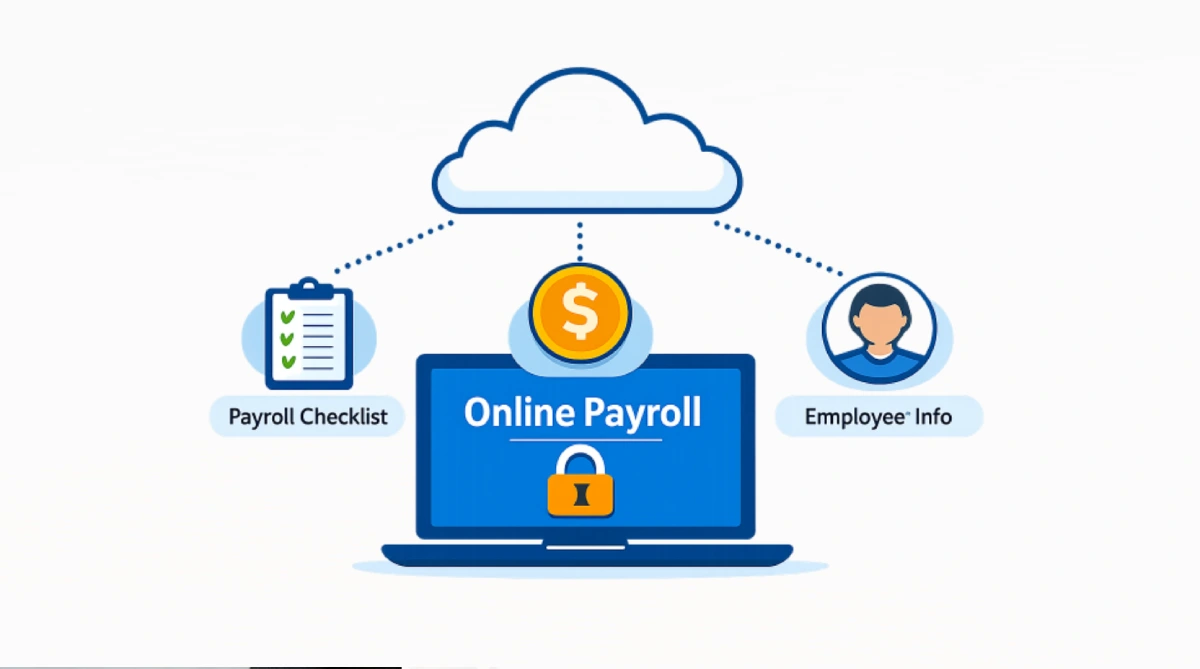
The modern workforce is transforming rapidly, and HR leaders face mounting pressure to manage payroll for distributed, hybrid, and remote teams. Legacy payroll systems often lag behind shifting regulations, geographic dispersion, and rising employee expectations. To stay agile, companies are adopting cloud-based payroll solutions within their broader HRIS or HCM ecosystem to deliver security, compliance, and operational flexibility at scale. Cloud payroll platforms give HR teams the flexibility to manage global pay runs from a single dashboard—no matter where employees work.
Running payroll manually eats up HR hours—and one typo can trigger costly compliance penalties or delayed payments. In a climate where accuracy and access are paramount, cloud platforms streamline payroll by centralizing data, enabling real-time processing, and automating tax updates. As businesses grow or shift their workforce structure, the ability to adapt payroll systems quickly becomes essential for sustained success.
Another significant advantage of cloud-based payroll is the accessibility it provides to both administrators and employees. Team members can securely access their pay information, update personal details, and retrieve tax forms from any location. Business owners, meanwhile, gain oversight and control over payroll while minimizing IT maintenance costs.
With remote work now a permanent fixture in many organizations, these solutions also foster collaboration by seamlessly connecting HR and accounting. This integration aids accurate reporting, clear audit trails, and efficient workflows.
Why Modern Enterprises Choose Cloud-Based Payroll Solutions
Cloud payroll is gaining widespread traction, and for good reason. In contrast to legacy systems that often require on-premises management and frequent manual updates, cloud-based solutions provide real-time access to payroll data and ensure all calculations align with the most recent tax rules. Small and large businesses alike benefit from increased accuracy and process automation, thereby alleviating many risks associated with manual input and spreadsheet-based calculations.
For companies operating in various regions or countries, cloud-based payroll also means real-time compliance updates. This eliminates the stress of keeping track of new wage laws, overtime policies, or tax code changes in multiple jurisdictions. Top cloud payroll providers lock down sensitive data with bank-grade encryption and 24/7 threat monitoring—so you’re not left guessing about security.
Key Features of Cloud-Based Payroll Systems
- Real-Time Processing: Payroll calculations and direct deposit processing happen instantly, allowing businesses to keep up with payroll cycles and last-minute changes.
- Automated Compliance: The system updates automatically to reflect current tax codes, wage laws, and employment regulations, reducing the risk of costly errors.
- Scalability: Cloud-based systems scale to accommodate changing payroll needs, whether due to increased employee numbers or international expansion. A built-in multi-currency payroll engine automatically converts wages, applies local tax withholdings, and generates compliant payslips for employees in 50+ countries.
- Integration: Seamless connection with HR, benefits, and accounting platforms improves efficiency and data accuracy.
- HRIS Sync: Seamless two-way sync with your HRIS ensures employee data, benefits elections, and time-off balances stay consistent across platforms—eliminating duplicate entry and reconciliation errors.
- Employee Self-Service: Employees access online portals to view pay stubs, download tax forms, and manage their information without HR intervention.
Some cloud payroll platforms even include resource planning tools that allow management to perform workforce analytics. These analytics provide insights into overtime trends, absenteeism, and budget forecasting, helping organizations plan financial strategies more effectively. Additionally, by enabling flexible configurations and role-based access controls, cloud solutions can ensure that only authorized personnel interact with sensitive payroll data, protecting against insider threats and human error.
Benefits for Businesses
- Cost Efficiency: Cut infrastructure costs: Cloud payroll eliminates on-premise servers, reduces IT overhead, and scales spend with actual usage—freeing budget for strategic initiatives. This shifts payroll from CapEx to a predictable OpEx model.
- Accuracy: Automated calculations limit manual mistakes and improve payroll precision.
- Compliance: Built-in updates to labor and tax regulations alleviate payroll teams’ compliance concerns.
- Accessibility: Both employers and employees can securely access payroll data from anywhere.
Enhanced reporting features make audits and end-of-year financial statements easier to prepare and more accurate. By simplifying compliance, businesses reduce their administrative burden and limit potential liability from tax penalties or regulatory fines. Furthermore, the ability to customize reports for different departments or subsidiaries helps ensure the finance team has all the necessary data to perform internal reviews or budget planning with greater ease.
Implementing Cloud-Based Payroll Solutions
Organizations should approach cloud payroll migration with a clear strategy. Follow this implementation roadmap:
- Audit current payroll workflows and compliance gaps
- Shortlist vendors with multi-jurisdiction support and API-first architecture
- Securely migrate employee data with accuracy and privacy checks
- Train HR and finance teams on self-service dashboards with role-based access control (RBAC)
- Validate integrations with accounting and time-tracking systems
It’s also wise to conduct a pilot implementation with a small department before rolling out the solution company-wide. Doing so allows you to troubleshoot unexpected issues and gather feedback to refine internal processes before full deployment. Ongoing vendor support is invaluable, particularly during the first few payroll cycles as your organization adapts to new workflows and reporting standards.
Challenges and Considerations
- Data Security: Payroll contains sensitive information, making security paramount. Prioritize vendors with SOC 2 Type II certification and end-to-end encryption, ensuring payroll data meets enterprise-grade security standards throughout its lifecycle.
- Integration Complexities: Connecting the new system to existing software can pose challenges, particularly for companies with custom or legacy platforms.
- Differing Regulations: International organizations must ensure the solution can manage various employment laws, currencies, and tax protocols without manual oversight.
Resource allocation during migration can also be challenging if tight deadlines or limited IT staff are factors. To overcome resistance, leadership should communicate the reasons for switching to cloud payroll and highlight the benefits for staff and stakeholders. Engaging employees early in the process decreases disruption and increases adoption success rates. Keep in mind, too, that selecting a scalable system can prevent future pain points as your business grows or regulations change.
Future Trends in Payroll Management
- Artificial Intelligence: Smart payroll solutions now offer predictive insights into workforce costs, overtime trends, and risk factors, helping leaders make more informed decisions.
- Blockchain Technology: There is growing interest in leveraging blockchain for payment security, fraud prevention, and faster cross-border transactions, although adoption is still in its early stages.
- Mobile Payroll: Mobile-first access empowers employees and managers to resolve payroll tasks and answer questions without waiting for desktop or office access.
To explore how technology is reshaping payroll management, see this feature by TechRadar. Beyond AI and blockchain, predictive workforce analytics are emerging as a key differentiator—forecasting overtime costs, turnover risk, and labor budget variances to enable proactive adjustments before payroll cycles close. Another trend is the integration of payroll platforms with gig economy systems, enabling contractors and freelancers to receive timely, automated payments. This flexibility is valuable as more organizations rely on project-based workers or global talent. Enhanced data analytics and self-service dashboards will continue to evolve, empowering organizations to make smarter payroll decisions based on real-time workforce data and predictive models.
Conclusion
Cloud-based payroll solutions have become indispensable in managing today’s complex workforce landscape. They offer real-time insights, seamless compliance, and scalable processes, helping businesses remain competitive and responsive. As payroll technology continues to evolve, organizations that stay informed about emerging innovations are best equipped to safeguard accuracy, security, and employee satisfaction in the years ahead.
The continued move to cloud-based systems promises not only operational improvements but also greater transparency for employees, fostering trust and satisfaction across the organization. Companies that invest in modern payroll tools are better positioned to adapt to market changes and proactively address new workplace challenges. Ultimately, leveraging a cloud-based payroll strategy is a powerful way to future-proof your HR operations and elevate the employee experience.
Ready to evaluate cloud payroll options? Start by mapping your compliance requirements, integration needs, and employee self-service priorities within your vendor evaluation framework. Then request demos from vendors who specialize in your industry and geographic footprint.