
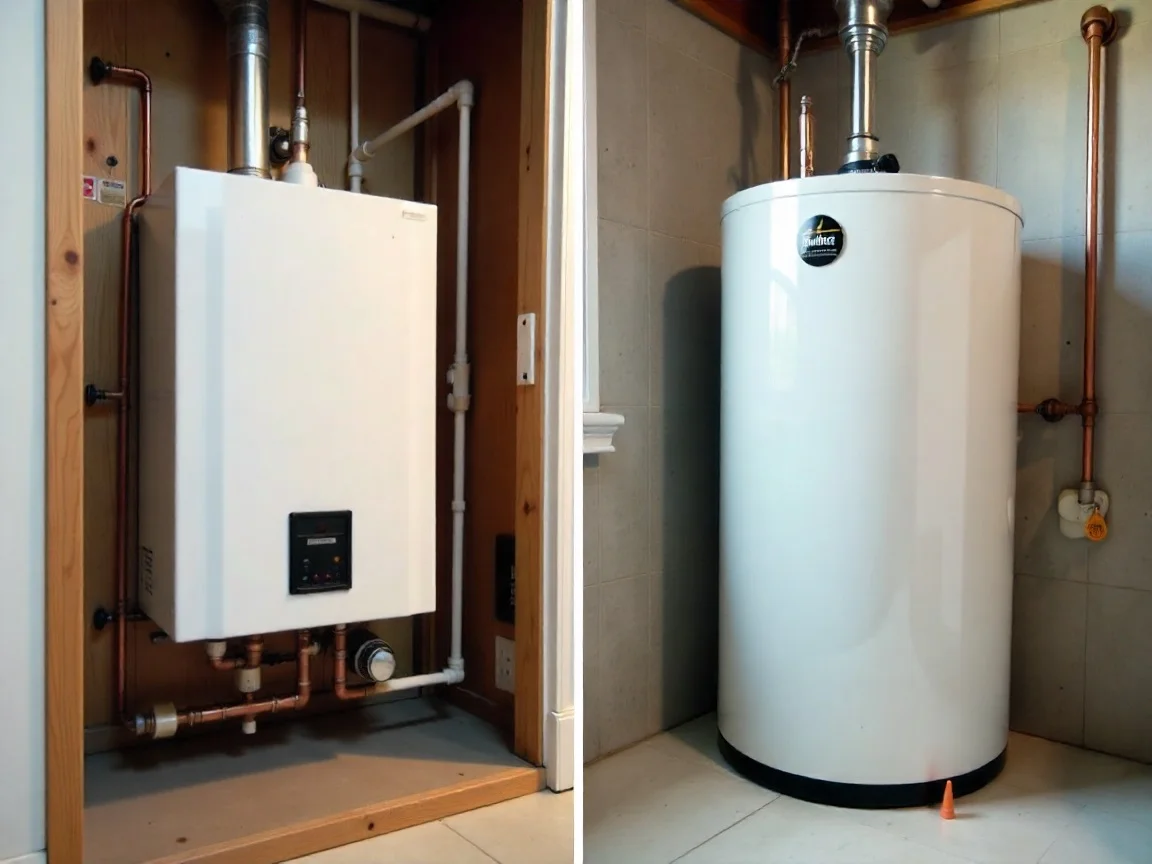
Choosing how your home is heated and supplied with hot water is one of the most important comfort decisions you will make as a homeowner. In Calgary, where winters are long and demand on heating systems is intense, the choice between boilers and hot water tanks has long-term consequences. A proper Boiler Install can transform comfort in some homes, while others are better served by a traditional tank system. Understanding the real differences helps homeowners avoid expensive mistakes and frustration down the road.
Many homeowners inherit their heating system when they buy a house. They live with it for years without questioning whether it truly fits their lifestyle or the structure of the home. Only when performance declines or a failure occurs do they begin to explore alternatives. By then, decisions are often rushed and made under pressure. Taking time to understand the strengths and limitations of each system allows homeowners to plan upgrades on their own terms.
Calgary homes vary widely in age and design. Older homes may already be set up for hydronic heating, while newer builds often rely on forced air and tank based hot water. Each system has advantages depending on how the home is used, how many people live there, and how consistent comfort is prioritized.
Understanding How Boilers Heat a Home
Boilers heat water and distribute warmth through radiators, baseboard heaters, or in floor systems. Instead of blowing warm air, they deliver steady radiant heat. This creates a consistent indoor temperature that many homeowners find more comfortable, especially during extended cold periods.
Radiant heat warms surfaces and people directly, not just the air. Floors feel warmer, rooms maintain temperature longer, and there are fewer drafts. Homes with radiant systems often feel quieter because there is no blower noise or airflow movement.
Boilers also work well in homes with multiple zones. Different areas of the house can be heated independently, which improves comfort and efficiency. This flexibility is especially valuable in larger homes or those with additions.
However, boilers require careful installation and maintenance. Water pressure, circulation pumps, expansion tanks, and heat exchangers must all work together properly. When installed and maintained correctly, a boiler system can last a long time and provide reliable comfort through Calgary winters.
How Hot Water Tanks Fit into Home Comfort
Most Calgary homes rely on Hot Water Tanks for domestic hot water, and in some cases for space heating through hydronic systems. These tanks store heated water and deliver it on demand for showers, laundry, and daily use.
Tank systems are familiar to most homeowners. They are generally simpler to understand and maintain. When a tank fails, the symptoms are usually clear, such as reduced hot water or complete loss of supply. Replacement is often straightforward.
Hot water tanks work well for homes with predictable usage patterns. Families that use hot water in bursts throughout the day often find tank systems sufficient. They also integrate easily with forced air furnaces, which remain the most common heating method in Calgary.
However, tanks have limitations. Once the stored hot water is depleted, recovery takes time. In larger households, this can lead to inconsistent hot water availability. Efficiency also declines as tanks age, which increases energy costs.
Comparing Comfort, Efficiency, and Long-Term Costs
When choosing between boilers and tank systems, comfort expectations play a major role. Homeowners who value steady, even warmth often prefer boiler systems. Those who prioritize simplicity and familiarity may lean toward tank-based setups.
Efficiency depends on system design and usage. Boilers can be highly efficient when paired with proper zoning and insulation. Tank systems perform well when sized correctly and maintained regularly, but standby heat loss can reduce efficiency over time.
Installation costs also differ. Boilers typically require higher upfront investment due to additional components and installation complexity. Tank systems are generally less expensive initially, though replacement may be needed more frequently.
Long term costs should include maintenance, energy use, and expected lifespan. A well-maintained boiler can operate for decades. Tanks usually have shorter lifespans but lower initial costs. The right choice depends on how long homeowners plan to stay in the home and how they use their space.
Common Mistakes Homeowners Make When Choosing
One of the biggest mistakes is choosing based solely on price. The cheapest option upfront may not deliver the comfort or efficiency the household needs. Another mistake is upgrading without evaluating the existing infrastructure. Installing a boiler in a home not designed for hydronic heating requires careful planning.
Homeowners also underestimate the importance of professional assessment. Each home has unique heating demands based on layout, insulation, window placement, and usage patterns. A system that works well in one house may perform poorly in another.
Ignoring future needs is another common issue. Families grow, usage patterns change, and homes are renovated. Choosing a system that can adapt helps avoid costly upgrades later.
The Role of Professional Guidance
Choosing between boilers and tanks is not just about equipment. It is about designing a system that fits the home and lifestyle. Professional guidance ensures that all factors are considered, from heat loss calculations to water usage patterns.
Experienced providers like JPS Furnace and Air Conditioning help homeowners navigate these decisions with clarity. They evaluate the home, explain options in plain language, and recommend solutions that balance comfort, efficiency, and long-term value.
Professional input also ensures proper installation and commissioning. Systems are tested, adjusted, and optimized so they perform reliably when winter arrives.
Maintenance Considerations for Each System
Boilers require periodic inspection of pressure, pumps, and heat exchangers. Proper maintenance keeps circulation smooth and prevents corrosion or scaling.
Hot water tanks benefit from regular flushing to remove sediment. This improves efficiency and extends tank life. Anode rods should also be inspected to protect the tank from corrosion.
Ignoring maintenance shortens system lifespan and increases operating costs. Regardless of system type, consistent care is essential in Calgary’s demanding climate.
Which Homes Benefit Most from Each Option
Boilers are well suited for homes with radiant floor heating, older homes with existing hydronic systems, and homeowners who value even heat distribution.
Hot water tanks fit well in homes with forced air furnaces, smaller households, and those seeking straightforward operation.
There is no universal answer. The best choice is the one that aligns with the home’s design and the household’s needs.
Conclusion
Choosing between a boiler and a hot water tank is a decision that shapes comfort, efficiency, and reliability for years to come. Calgary’s climate makes this choice especially important. By understanding how each system works and evaluating the home carefully, homeowners can make informed decisions without pressure.
With proper planning and professional support, either option can deliver dependable performance through the coldest months. The key is choosing a system that truly fits your home and how you live in it.