Most celebrity children grow up in the spotlight, but Thomas Boone Quaid has lived differently. Born November 8, 2007, he’s the son of Hollywood actor Dennis Quaid and real estate agent Kimberly Buffington. Thomas shares his birthday with his fraternal twin sister, Zoe Grace Quaid. What makes their story unique isn’t just their famous father, but how a life-threatening medical error as newborns shaped their family’s approach to privacy and advocacy.
The twins entered the world through a gestational carrier, and what should have been a joyful beginning quickly turned into every parent’s nightmare. Their early medical scare became a turning point that influenced not only their upbringing but also their father’s commitment to patient safety reform.
Who is Thomas Boone Quaid?
Thomas Boone Quaid is Dennis Quaid’s youngest son, born alongside his twin sister Zoe Grace in November 2007. At 16 years old, Thomas represents a new generation of celebrity children who’ve been deliberately kept away from Hollywood’s glare. Unlike many kids of famous parents, Thomas hasn’t appeared in films, walked red carpets, or maintained public social media accounts.
His middle name, Boone, carries family significance and connects him to his father’s Texas roots. Dennis Quaid chose this traditional name, which means “blessing” or “good” in Old French. The name choice reflects the family’s gratitude after surviving the twins’ harrowing first weeks of life.
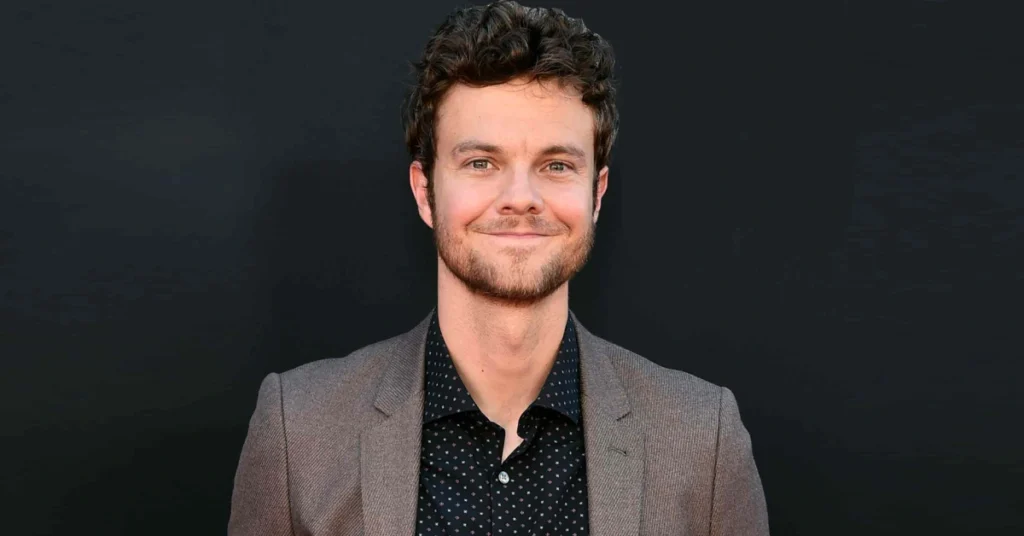
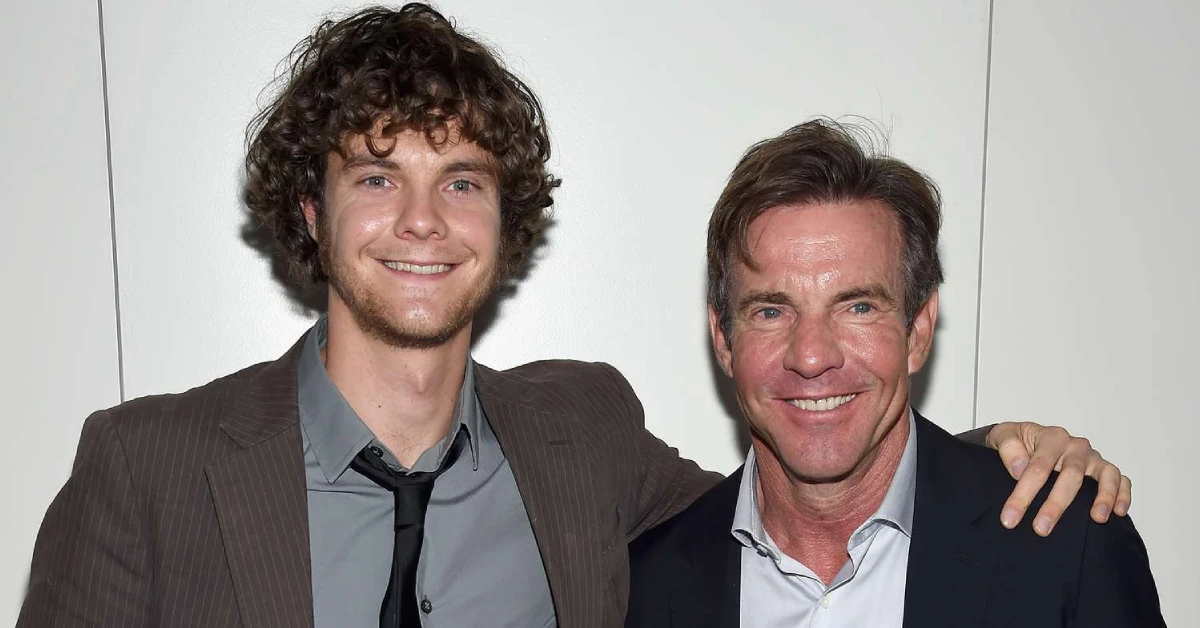
Thomas also has an older half-brother, Jack Quaid, from Dennis’s previous marriage to actress Meg Ryan. Jack, born in 1992, followed a different path and became an actor known for roles in “The Boys” and “Scream.” The age gap between the brothers means Thomas grew up in a quieter household, away from the entertainment industry pressures that Jack experienced.
Family and early life
Dennis Quaid and Kimberly Buffington welcomed their twins after years of fertility struggles. The couple, who married in 2004, turned to surrogacy to start their family. Kimberly, a successful real estate agent from Texas, preferred staying out of the entertainment spotlight even before the twins arrived.
The family split their time between Los Angeles and Texas, giving Thomas and Zoe a taste of both Hollywood glamour and small-town values. Dennis often spoke about wanting his younger children to have a “normal” childhood, something his career demands had made difficult with Jack during his early years.
Their parents’ marriage ended in divorce in 2018, but both Dennis and Kimberly maintained their commitment to keeping the twins’ lives private. This co-parenting approach has meant Thomas rarely appears in paparazzi photos or celebrity family features, unlike many children of A-list actors.
The Quaid household emphasized education and regular childhood activities over industry connections. Thomas attended traditional schools rather than exclusive Hollywood establishments, playing sports and participating in regular kid activities without the constant media attention that often follows celebrity offspring.
The newborn medical scare (what happened)
Thomas and Zoe’s birth story took a terrifying turn when both infants developed staph infections requiring hospitalization. At Cedars-Sinai Medical Center in Los Angeles, what started as routine treatment for the infection became a medical nightmare due to a catastrophic medication error.
Hospital staff accidentally administered 1,000 times the intended dose of heparin, a blood-thinning medication, to both newborns. Instead of receiving 10 units of the pediatric version, Thomas and Zoe each received 10,000 units of the adult concentration. This massive overdose put both babies at severe risk of internal bleeding and death.
The error occurred because of confusion about packaging between pediatric and adult heparin vials, both manufactured by Baxter Healthcare. The similar-looking labels led to the mix-up that nearly cost the twins their lives. Dennis and Kimberly didn’t learn about the overdose until hours after it happened, when medical staff realized the mistake.
Both babies required intensive monitoring in the neonatal ICU as doctors worked to reverse the medication’s effects. The twins needed multiple blood tests to track their clotting times and received vitamin K injections to counteract the heparin. For several days, their survival remained uncertain as medical teams watched for signs of dangerous bleeding.
Legal action & advocacy
The Quaid family filed lawsuits against both Baxter Healthcare and Cedars-Sinai Medical Center, seeking accountability for the near-fatal error. Their legal action wasn’t just about compensation but aimed at preventing similar mistakes that could harm other families.
Dennis became a vocal advocate for improved medication labeling and hospital safety protocols. He testified before Congress and worked with patient safety organizations to push for clearer drug packaging standards. The family established connections with The Quaid Foundation, focusing on preventing medical errors through better communication and technology.
The lawsuits eventually reached settlements, though specific terms remained confidential. More importantly, the case led to significant changes in how hospitals handle look-alike medications and improved safety protocols for pediatric patients nationwide.
Recovery and today — a privacy-first upbringing
Thomas and Zoe made full recoveries from their ordeal, showing no lasting effects from the heparin overdose. Their resilience as infants became a source of strength for the entire family, but also reinforced Dennis and Kimberly’s decision to shield them from public attention.
The twins grew up with minimal media exposure, attending regular schools and participating in typical teenage activities. Dennis has occasionally mentioned in interviews that both children are “doing great” and living “normal” lives, but he consistently refuses to share specific details about their interests, achievements, or plans.
This privacy-first approach means Thomas has never given interviews, appeared at movie premieres with his father, or been featured in celebrity family profiles. The few public photos of him are usually from years ago or taken from a distance at family outings.
As teenagers, Thomas and Zoe have maintained this low profile despite their father’s continued Hollywood success. They’ve avoided the pitfalls that often accompany growing up as celebrity children, including substance abuse, legal troubles, or premature career pressures.
What he is — and isn’t — in public life
Thomas Boone Quaid has no confirmed public career or professional achievements to date. Unlike his half-brother Jack, who followed his parents into acting, Thomas hasn’t expressed interest in entertainment industry work, at least not publicly.
He’s not active on major social media platforms under his name, and any accounts claiming to be him should be viewed skeptically. The family’s commitment to privacy extends to digital spaces, where celebrity children often face harassment or unwanted attention.
Thomas isn’t enrolled in any known performing arts programs, hasn’t appeared in student films, and hasn’t been spotted at industry events or networking functions. This absence from Hollywood circles appears intentional rather than coincidental.
What he might be doing instead remains largely speculation. He could be focused on academics, sports, or other interests that don’t require public attention. His parents’ approach suggests they want him to discover his path without the pressure of family fame influencing his choices.
Why this story matters (legacy & lessons)
The Thomas Boone Quaid story represents more than just another celebrity family tale. His survival of the heparin overdose helped spotlight critical flaws in hospital medication systems that endangered countless other patients.
The changes that followed the twins’ case have likely saved lives across American hospitals. Improved labeling requirements, better staff training protocols, and enhanced safety checks all trace back partly to the attention their story brought to medical errors.
Dennis Quaid’s advocacy work, inspired by his children’s experiences, continues to influence patient safety initiatives. His willingness to speak publicly about the incident, while keeping his children private, shows how celebrity platforms can drive positive change without exploiting family trauma.
The story also demonstrates how different celebrity families approach child-rearing. While some famous parents share every milestone on social media, the Quaids chose protection over publicity, showing there are alternatives to constant exposure.
Final note: where to find verified updates
Information about Thomas Boone Quaid should be sourced from reputable entertainment outlets, such as People Magazine, major news networks, or official statements from Dennis Quaid’s representatives. Social media accounts claiming to represent Thomas or sharing personal details about him should be viewed with extreme skepticism.
The family’s commitment to privacy means updates about Thomas will likely remain rare and general. Readers interested in the Quaid family should respect this choice and avoid seeking out unauthorized photos or personal information about the twins.
As Thomas approaches adulthood, he may eventually choose to step into public life or maintain his privacy. Either decision deserves respect from fans of his father and the media alike. His story serves as a reminder that celebrity children are individuals first, deserving the same privacy and protection as any other young person finding their way in the world.