Most college athletes fade into quiet careers after their final race. Summer Finke took a different path. The Clearwater native turned her years in the pool into a platform for coaching young swimmers, writing honest reflections about the sport, and showing up at clinics across the country. Her story isn’t about breaking world records. It’s about building something that lasts after the stopwatch stops.
Who is Summer Finke?
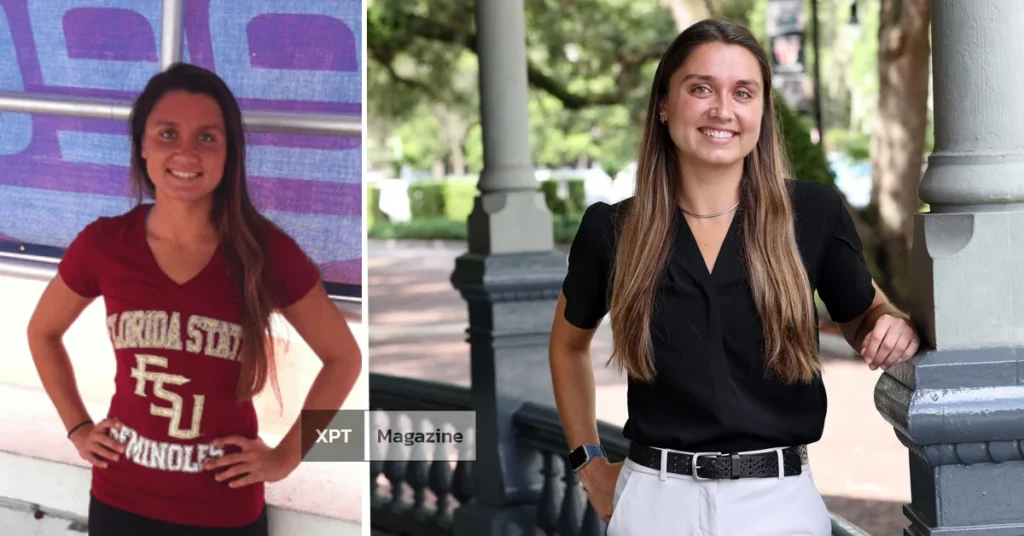
Summer Finke is a former NCAA swimmer who competed for Florida State and NC State before moving into coaching and content creation. She swam distance freestyle events and qualified for multiple ACC Championships during her college years. Today, she works as a clinician with Fitter & Faster Swim Tour, writes columns for Swimming World Magazine, and shares training insights on social media. People search for her when they want to know what happens after the college swimming career ends and how former athletes stay connected to their sport.
She grew up in Florida and spent years perfecting the grueling 1650 freestyle and 400 IM. Her competitive career gave her the foundation, but her post-college work gave her a voice. Swimmers follow her for practical advice and honest takes on training, burnout, and finding motivation when the pool feels like a chore.
Early Life and How She Found the Pool
Summer Finke started swimming in Clearwater, Florida, where warm weather and year-round training made the sport accessible. She joined a local club team as a kid and quickly gravitated toward distance events. While sprinters get the spotlight, distance swimmers develop a different mindset. They learn to tolerate discomfort and trust the process through thousands of monotonous laps.
Her early coaches recognized her endurance capacity and steered her toward the mile and longer freestyle races. By high school, she was posting competitive times and catching the attention of college recruiters. The pool became her routine, her challenge, and eventually her identity. She didn’t choose distance swimming because it was glamorous. She chose it because it matched her temperament and her willingness to put in the work when no one was watching.
The College Years — Florida State and NC State (The Transfer Story)
Finke began her collegiate career at Florida State before transferring to NC State, a program known for developing distance swimmers and fostering a strong team culture. Transfers happen often in college swimming, usually because of coaching changes, academic fit, or the desire for a different training environment. For Finke, the move to NC State placed her in a program that emphasized endurance events and offered a deeper roster of distance specialists to train alongside.
At NC State, she competed in the 1650 freestyle, 500 freestyle, and 400 IM. She earned multiple ACC Championship qualifications and contributed to relay teams. Her academic work in sport management ran parallel to her training schedule, giving her insight into the business side of athletics. The Wolfpack roster lists her achievements, but the real story lies in the daily grind of balancing early morning practices, weight training, academic deadlines, and travel to meets across the Southeast.
College swimming demands more than talent. Athletes manage fatigue, homesickness, academic pressure, and the constant comparison to teammates and rivals. Finke learned to navigate those challenges without losing her love for the sport, a skill that would serve her later.
Competitive Highlights and What They Meant
Finke’s competitive resume includes NCAA meet qualifications and solid performances at ACC Championships. She wasn’t an Olympic medalist, but she reached a level most swimmers never touch. Qualifying for NCAA meets requires consistent sub-elite times and the ability to perform under pressure at conference championships. In the 1650 freestyle, a race that takes nearly 17 minutes, every lap matters. Mental focus separates those who finish strong from those who fade in the final 200 yards.
She also competed in the 400 IM, a brutal combination of all four strokes that tests versatility and cardiovascular capacity. Few swimmers willingly choose the IM. It requires technical proficiency in butterfly, backstroke, breaststroke, and freestyle, all while managing pace and oxygen debt. Her willingness to race multiple demanding events showed her range and her value to the team.
Her times may not fill record books, but they represent years of dedication and incremental improvement. For most swimmers, success isn’t about medals. It’s about showing up when the alarm goes off at 5 a.m. and pushing through when your body begs to quit.
Transition: Writing, Clinics, and Coaching Work
After college, Finke didn’t leave swimming behind. She joined Fitter & Faster as a clinician, traveling to clubs and teams to teach technique, race strategy, and mental skills. Clinics offer young swimmers a chance to learn from former college athletes who understand the sport’s demands. Finke’s sessions focus on distance training, race execution, and the mindset required to sustain effort over long races.
She also began writing for Swimming World Magazine, contributing first-person columns that blend personal experience with practical advice. Her pieces avoid clichés and speak directly to swimmers who struggle with motivation, compare themselves to faster teammates, or wonder if they’re good enough to keep going. One column, titled “Advice to My Younger Swimmer Self,” reflects on what she would tell herself before her first college practice. The tone is honest, warm, and free of the usual athlete platitudes.
Notable Pieces & Public Voice
Her Swimming World columns stand out because they sound like a conversation, not a lecture. She writes about the unglamorous parts of swimming: the boredom of long practices, the sting of missed time cuts, the loneliness of training when friends are out having fun. Her advice centers on self-compassion and long-term growth rather than short-term results. She tells young swimmers to appreciate the journey, trust their coaches, and stop measuring their worth by tenths of a second.
This voice carries over to her clinic work, where she emphasizes technique refinement over brute effort. She teaches swimmers how to hold efficiency through fatigue, how to pace the back half of a race, and how to develop a pre-race routine that calms nerves instead of amplifying them.
Social Presence and Public Personality
Finke maintains an active presence on Instagram and X, where she shares training clips, race commentary, and glimpses of life outside the pool. Her posts skip the polished athlete aesthetic in favor of candid shots and real talk. Followers get pool selfies, post-workout exhaustion, and the occasional sarcastic caption about early wake-up calls.
Her social media serves as an extension of her clinic and writing work. She answers questions from young swimmers, reacts to major meets, and posts throwback photos from her college days. The tone is approachable and genuine, the opposite of the filtered perfection that dominates athlete branding. She doesn’t pretend that swimming is always fun or fulfilling. She shows the full picture, including the days when motivation runs dry and the pool feels like a punishment.
What Fans and Aspiring Swimmers Can Learn from Her
Finke’s career offers a blueprint for swimmers who won’t make the Olympic team but still want to stay connected to the sport. She turned her competitive experience into multiple income streams and built a platform without needing a medal or a world record. Her advice consistently circles back to a few core ideas: focus on process over results, respect your body’s limits, and find joy in the work itself.
She tells swimmers to stop chasing times that don’t align with their training age or physical development. She encourages them to celebrate small wins, like nailing a flip turn or holding a strong finish when fatigue sets in. Her philosophy rejects the all-or-nothing mentality that drives many young athletes to burnout. Instead, she promotes sustainable effort, intelligent training, and the willingness to take breaks when needed.
Her columns and clinic talks emphasize mental skills as much as physical training. She teaches swimmers to visualize races, develop coping strategies for anxiety, and separate their self-worth from their performance. These lessons apply beyond the pool, offering life skills that outlast any competitive career.
Where She Is Now — Current Work and Next Steps
Finke continues to work as a clinician, traveling to swim clubs and hosting sessions on race strategy and endurance training. She balances coaching with content creation, writing for Swimming World, and maintaining her social media presence. Her LinkedIn profile lists roles in sport management and marketing, suggesting she’s building a career that blends her athletic background with business skills.
She’s active in the swimming community, attending major meets and staying connected to former teammates and coaches. Her work keeps her in the pool without the pressure of competition. She gets to share what she learned during her own career while helping the next generation develop their skills and their love for the sport. For swimmers looking to follow her lead, she’s proof that a fulfilling post-college swimming life exists beyond racing.
Closing: The Human Story Behind the Swimmer
Summer Finke’s story isn’t flashy. She didn’t win Olympic gold or set American records. She trained hard, competed at a high level, and found a way to stay connected to swimming after her final race. Her real achievement lies in building a career that lets her share what she learned, mentor young athletes, and prove that success in swimming doesn’t require standing on a podium.
She shows that the sport can give you more than medals. It can teach you discipline, resilience, and the ability to push through discomfort. It can connect you to a community and give you skills that translate into coaching, writing, and leadership. Her journey reminds swimmers that the pool isn’t just a place to chase times. It’s a place to learn who you are and what you’re capable of when you refuse to quit.