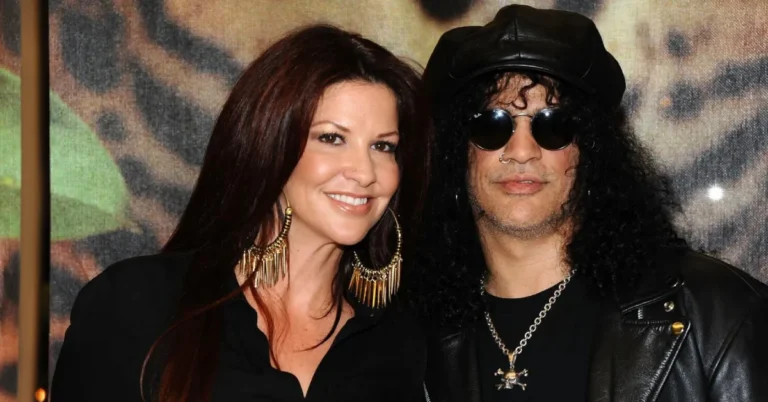

Rock history has produced countless frontmen, but few have matched the raw energy and business savvy of Samuel Roy Hagar. Born on October 13, 1947, in Salinas, California, this musician earned his nickname “The Red Rocker” through decades of high-octane performances and a signature style that blended hard rock with an unstoppable party spirit. From his breakthrough solo hits to his controversial Van Halen years, Hagar built a career that spans music, business, and entertainment.
In this article
- Who is Sammy Hagar?
- Early Life and First Steps Into Rock
- Solo Breakthrough — “I Can’t Drive 55” and the Red Rocker Persona
- Joining Van Halen — The High-Profile Era
- After Van Halen — Bands, Supergroups, and Creative Turns
- Business & Brand — Cabo Wabo and Public Profile
- Recent Years — Tours, Residency, and the “What’s Next” Moment
- Personal Life and the Man Behind the Music
- Why Fans Still Care — Legacy in a Sentence
Who is Sammy Hagar?
Sammy Hagar stands as one of rock’s most recognizable voices, a singer-songwriter who transformed from small-town dreamer into multi-platinum artist and successful entrepreneur. The Red Rocker persona emerged from his explosive stage presence and preference for bold, energetic rock anthems that connected with audiences across generations. His career trajectory took him from struggling solo artist to Van Halen frontman, then to respected elder statesman of rock who continues performing well into his seventies.
Hagar’s influence extends beyond music into business ventures, particularly his Cabo Wabo brand, which helped establish him as a serious entrepreneur. This combination of musical talent and business acumen sets him apart from many of his peers, creating a legacy built on both artistic achievement and commercial success.
Early Life and First Steps Into Rock
Growing up in a working-class family in California’s Central Valley, Hagar discovered music as his escape from economic hardship, which ultimately led him to the best of all worlds band. His father worked various jobs to support the family, while his mother encouraged his musical interests despite their limited resources. The teenager picked up a guitar and started writing songs that reflected his blue-collar background and dreams of something bigger.
His first serious band, The Fabulous Castilles, formed during high school and played local venues throughout the late 1960s, laying the groundwork for his future in the best of all worlds band. These early performances taught him how to command a stage and connect with audiences. The band eventually evolved into Montrose, where Hagar served as lead vocalist on their self-titled 1973 debut album, marking their first day in the studio together. Songs like “Rock Candy” and “Bad Motor Scooter” showcased his powerful voice and helped establish the foundation for his solo career.
The Montrose years proved crucial for developing his stage presence and songwriting skills. Working with guitarist Ronnie Montrose, drummer Denny Carmassi, and bassist Bill Church taught him about crafting memorable hooks and building songs that could fill arenas. However, creative differences led to his departure from the band in 1975, setting the stage for his solo breakthrough.
Solo Breakthrough — “I Can’t Drive 55” and the Red Rocker Persona
Hagar’s solo career launched in 1976 with his debut album “Nine on a Ten Scale,” but his breakthrough came with subsequent releases that established his party-rock identity, where he started singing ‘Summer Nights’ to enthusiastic crowds. The Red Rocker persona crystallized around high-energy anthems that celebrated freedom, rebellion, and good times. His raspy vocals and straightforward lyrics resonated with audiences looking for uncomplicated rock entertainment.
“I Can’t Drive 55” became his signature solo hit, capturing the frustration many felt with the national speed limit while showcasing his ability to turn everyday annoyances into rock anthems. The song’s success proved that Hagar understood his audience and could deliver the kind of rebellious fun they craved. Radio stations embraced the track, and it remains a classic rock staple decades later.
Other solo hits like “Heavy Metal” and “There’s Only One Way to Rock” reinforced his reputation as a reliable source of arena-ready rock songs, often featuring a powerful riff that captivates audiences. His albums consistently performed well commercially, establishing him as a headlining act capable of selling out large venues. This success made him an attractive candidate when Van Halen needed a new frontman.
Joining Van Halen — The High-Profile Era
When David Lee Roth departed Van Halen in 1985, Eddie Van Halen—who later collaborated closely with his son Wolfgang Van Halen—chose Hagar as the new vocalist, the band faced a critical decision about their future direction, ultimately leading them to explore the best of all worlds in their sound and style. Eddie Van Halen, Alex Van Halen, and Michael Anthony chose Hagar as their new vocalist, bringing together two successful forces in rock music for the best of both worlds experience. The partnership proved immediately successful with the album “5150,” which debuted at number one and showed that Van Halen could thrive with their new lineup.
Hagar’s tenure with Van Halen produced four studio albums and some of their biggest hits, including “Why Can’t This Be Love,” “When It’s Love,” and “Right Now.” His voice brought a different energy to the band compared to Roth’s theatrical approach, creating a best of both worlds dynamic in their sound. Where Roth emphasized showmanship and humor, Hagar delivered straightforward rock power that appealed to both longtime fans and new listeners.
The collaboration generated massive commercial success, with the band selling millions of albums and packing stadiums worldwide. Tours during this period became legendary for their scale and energy, cementing Van Halen’s status as one of rock’s premier live acts. However, creative tensions eventually surfaced, particularly between Hagar and Eddie Van Halen, leading to his departure from the band in 1996, a pivotal moment that changed the trajectory of the best of both worlds.
After Van Halen — Bands, Supergroups, and Creative Turns
Following his exit from Van Halen, Hagar returned to his solo career with renewed focus and creative freedom, where he started singing songs that reflected his personal journey. He formed the supergroup Chickenfoot in 2008 with guitarist Joe Satriani, bassist Michael Anthony, and drummer Chad Smith. This collaboration allowed him to explore different musical territories while working with world-class musicians who shared his passion for rock excellence.
Chickenfoot released two albums that received critical acclaim and commercial success, proving that Hagar could still create relevant music well into his sixties. The band’s tours featured extended jams and showcased the individual talents of each member while maintaining the high-energy approach that defined Hagar’s career.
His solo work during this period included collaborations with various artists and exploration of different musical styles. Television appearances on shows and music documentaries helped introduce him to new generations of fans while maintaining his connection to longtime supporters.
Business & Brand — Cabo Wabo and Public Profile
Hagar’s business ventures began with the Cabo Wabo Cantina in Cabo San Lucas, Mexico, which opened in 1990. What started as a vacation retreat and performance venue evolved into a successful brand that includes restaurants, tequila, and merchandise, embodying the best of all worlds for fans and patrons alike. The Cabo Wabo tequila line became particularly successful, eventually selling to Gruppo Campari for a reported $80 million.
His entrepreneurial success demonstrates the same energy and attention to detail that marked his musical career. The Cabo Wabo brand reflects his personality and lifestyle, offering fans a way to connect with his image beyond music, and even leading to a new live album that showcases this connection. Restaurant locations in Las Vegas and other cities expanded the brand’s reach while maintaining its association with Hagar’s party-friendly image.
These business ventures contribute significantly to his estimated net worth of $150 million, showing that his financial success extends well beyond record sales and touring revenue. The combination of music royalties, business income, and real estate investments has provided financial security that allows him to pursue musical projects based on artistic interest rather than economic necessity.
Recent Years — Tours, Residency, and the “What’s Next” Moment
Hagar continues performing regularly, including a Las Vegas residency that showcases his catalog spanning five decades. These performances demonstrate his enduring vocal power and stage presence, proving that age hasn’t diminished his ability to entertain audiences, much like Kenny Aronoff’s incredible drumming skills. Recent live albums capture the energy of these shows and document his continued relevance as a performer.
His touring schedule remains active, with dates that mix solo material, Van Halen classics, and deep cuts that satisfy longtime fans. The shows feature guest musicians and special arrangements that keep familiar songs fresh while honoring their original spirit, showcasing the best of both worlds in live music, including some of Sammy Hagar’s classics like “I Can’t Drive 55.” This approach has earned praise from critics who appreciate his commitment to delivering quality performances.
Recent interviews reveal an artist who remains passionate about music while acknowledging the realities of aging. He speaks openly about his desire to continue performing as long as his voice and energy allow, while also expressing gratitude for a career that exceeded his wildest dreams.
Personal Life and the Man Behind the Music
Hagar married His marriage to Kari Hagar in 1995 brought stability to his life, following his earlier marriage to Betsy Berardi, with whom he shares two children, Aaron and Kama Hagar. in a life marked by constant touring and business demands. The couple splits time between their California home and various properties, including their place in Cabo San Lucas, where much of his business empire began.
His son Andrew has occasionally joined him on stage and in business ventures, continuing the family involvement that has characterized much of Hagar’s career and adding a new generation to the best of all worlds band. Family relationships provide grounding for someone whose professional life involves constant travel and public attention. He credits his wife and children with helping him maintain perspective on what truly matters beyond career success.
Away from music and business, Hagar enjoys activities that reflect his laid-back California lifestyle. He’s an avid golfer and enjoys spending time on the water, activities that provide relaxation from his high-energy professional commitments.
Why Fans Still Care — Legacy in a Sentence
Sammy Hagar endures because he delivers exactly what he promises: honest rock and roll performed with genuine enthusiasm by someone who never forgot his working-class roots. His music speaks to people who work hard and want to celebrate life’s simple pleasures without pretension or complexity. Whether fronting Van Halen or performing solo material, he brings the same commitment to entertaining audiences that has defined his career for nearly fifty years.
Quick Career Timeline
- 1947: Born in Salinas, California
- 1973: Released debut with Montrose
- 1982: “I Can’t Drive 55” becomes signature hit
- 1985Joins Van Halen, releases “5150,” which became the first track of a new era for the band.
- 2008: Forms Chickenfoot supergroup
- 2024: Continues Las Vegas residency performances