
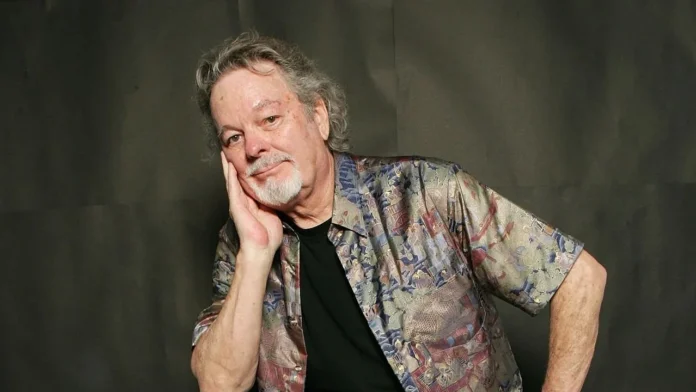
Russ Tamblyn’s net worth is estimated at $3 million. The veteran actor built his wealth through studio contracts, iconic roles in West Side Story and Peyton Place, television work including Twin Peaks, and ongoing residuals. His fortune reflects a career spanning over 70 years in Hollywood.
Russ Tamblyn made Hollywood history as the acrobatic, scene-stealing Riff in West Side Story. More than six decades after that breakout role, fans still wonder about the financial legacy of this golden-age performer. His estimated net worth sits at around $3 million, a figure built from decades of studio contracts, television appearances, and character work that kept him visible long after his musical heyday.
Quick snapshot: Russ Tamblyn in one line
Born December 30, 1934, Russ Tamblyn is an actor and dancer who carved his name into film history through roles in West Side Story, Tom Thumb, and Twin Peaks. Today, his wealth reflects a career that spanned child stardom, musical blockbusters, and a late-career return to cult television. The $3 million estimate (per CelebrityNetWorth, 2024) accounts for film earnings, TV work, and residual income from projects that still draw audiences.
Russ Tamblyn Net Worth
The current estimate places Russ Tamblyn’s net worth at approximately $3 million. This figure represents an aggregate of his lifetime earnings from MGM studio contracts, theatrical releases, television roles, and ongoing residuals. Unlike modern actors who negotiate backend points and streaming royalties, Tamblyn built his fortune during an era when studios paid flat salaries and actors rarely shared in long-term profits.
The estimate makes sense when you consider the scope of his career. He worked under contract during Hollywood’s studio system, which meant steady paychecks but limited upside. His major films—Seven Brides for Seven Brothers, Peyton Place, West Side Story—were box office hits that brought prestige but not the windfall paydays today’s stars command. Later television work, including his return as Dr Lawrence Jacoby in Twin Peaks, added consistent income throughout his later years. While $3 million might seem modest compared to contemporary celebrity wealth, it reflects the different economic structure of mid-century Hollywood and the value of a career built on craft rather than media empire-building.
How he made his money (big roles that matter)
Tamblyn’s early earnings came through his MGM contract, signed when he was still a teenager. The studio system paid young actors regular salaries to appear in whatever projects executives assigned. He worked steadily, landing roles that showcased his gymnastics background and natural charisma. Films like Father of the Bride and Seven Brides for Seven Brothers put him on the map, but the real financial boost came with Oscar-nominated work.
His performance in Peyton Place (1957) earned him an Academy Award nomination for Best Supporting Actor. That recognition translated into better pay rates and more selective project offers. Tom Thumb (1958) made him a household name among family audiences, while West Side Story (1961) cemented his place in cinema history. These weren’t just critical successes—they were major earners that commanded repeat viewings and eventual home video sales, generating residuals that continued for decades.
Later career moves shifted toward television and character work. His appearance in David Lynch’s Twin Peaks introduced him to a new generation of viewers and brought steady income during the show’s original run and its 2017 revival. Small roles in films like Quentin Tarantino’s Django Unchained added to his earnings while keeping his profile visible. This mix of legacy residuals and ongoing work created the foundation for his current net worth.
Early life & rise to stardom
Russ grew up in a show-business family—his father was an actor, his mother performed in vaudeville. That environment made Hollywood feel less like a distant dream and more like the family business. He started acting as a child, landing his first roles before turning ten. His background in gymnastics and dance set him apart from other young actors competing for the same parts.
MGM noticed his physical abilities and signed him to a contract at age 14. The studio put him to work immediately, casting him in supporting roles that took advantage of his acrobatic skills. He could tumble, flip, and move with the grace of a trained dancer—talents that made him valuable in an era when musicals dominated box office charts. Directors appreciated having an actor who could handle both dialogue and demanding physical choreography without needing a stunt double for every scene.
His youth worked in his favour during those early years. Studios wanted fresh faces who could grow with long-term contracts, and Tamblyn fit the mould perfectly. He learned the craft by working alongside established stars, absorbing techniques from seasoned professionals while building his own screen presence. Those foundational years prepared him for the bigger roles that would define his career.
Peak years: films, nominations, and mainstream fame
The late 1950s and early 1960s represented Tamblyn’s commercial and artistic peak. Peyton Place brought him dramatic credibility with an Oscar nomination that proved he could handle serious material. The film tackled controversial subjects for its time, and his performance as the troubled young Norman Page showed range beyond the musical comedy roles audiences expected.
Tom Thumb made him a star with family audiences. Playing the title character required both physical comedy and genuine emotion, and the film’s success opened doors to higher-profile projects. When director Robert Wise cast him as Riff, the leader of the Jets in West Side Story, Tamblyn delivered a performance that became iconic. His “Cool” sequence remains one of the film’s most memorable moments—a perfect blend of dance, tension, and raw energy.
These roles meant steady work and growing paychecks. While studio contracts limited his per-film earnings compared to freelance stars, the prestige of these projects increased his market value. He could command better terms for future work and had leverage to choose projects that interested him. The Oscar nomination gave him credibility as a serious actor, while his musical work proved he could draw audiences to theatres. That combination of commercial success and critical recognition defined his peak earning years.
Later career, TV returns and modern visibility
After the musical boom faded, Tamblyn transitioned to character work and television. He appeared in westerns, crime dramas, and episodic television throughout the 1970s and 1980s. These roles didn’t carry the glamour of his earlier films, but they provided a steady income and kept him working. Television residuals from syndication added predictable revenue streams that supplemented his film earnings.
David Lynch’s Twin Peaks (1990) marked a career resurgence. As Dr Lawrence Jacoby, Tamblyn brought quirky intensity to a cult hit that found massive audiences through home video and eventually streaming. When the show returned in 2017, he reprised the role for a new generation of viewers. This late-career visibility introduced him to audiences who hadn’t been born during his musical peak, expanding his fanbase and bringing fresh opportunities.
Recent projects that matter
His cameo in Django Unchained (2012) put him in front of Tarantino’s devoted audience. While the role was small, appearing in a major release kept his name in circulation and demonstrated his willingness to work with innovative filmmakers. He’s also published an autobiography, sharing behind-the-scenes stories from his decades in Hollywood. These recent projects—film work, writing, and continued public appearances—show an actor who stayed engaged with his craft and audience long after his leading-man years ended.
Family, personal notes, and public profile
Russ married actress Bonnie Murray and later Elizabeth Kempton. His daughter, Amber Tamblyn, became a successful actress and writer in her own right, known for her television work and poetry. The family connection brings occasional media attention, with interviewers asking about their creative household and whether acting advice is passed between generations.
He’s maintained a relatively private personal life despite decades in the spotlight. Unlike celebrities who court constant publicity, Tamblyn focused on his work rather than building a media brand. That approach might have limited some earning opportunities—endorsements, reality television, paid appearances—but it also preserved his artistic credibility. His net worth reflects actual work rather than peripheral celebrity ventures.
How to interpret celebrity net worth figures
Net worth estimates for actors come from aggregating public records, property holdings, known salaries, and educated guesses about residuals. Sites like CelebrityNetWorth use available data to calculate these figures, but they’re estimates, not verified disclosures. Actors rarely confirm their actual wealth publicly, so these numbers represent an informed approximation rather than a certified fact.
Why you’ll see different figures
Various sites publish different estimates because they weigh factors differently. One might emphasise property values while another focuses on career earnings. Some update their figures regularly, while others use outdated information. For Tamblyn, the $3 million estimate appears most frequently and aligns with reasonable expectations for his career trajectory and earning potential.
Bottom line: Russ Tamblyn’s financial snapshot and legacy
Russ Tamblyn’s estimated $3 million net worth (as of 2024) represents a lifetime of consistent work in film and television. He built his wealth during an era when actors earned differently than they do today—steady studio contracts rather than explosive single-project paydays. His career choices prioritised artistic satisfaction and steady employment over chasing maximum earnings, and his net worth reflects that approach.
The dollar figure tells only part of the story. His real legacy lives in performances that still resonate—the explosive energy of Riff, the vulnerability of Norman Page, the eccentric wisdom of Dr Jacoby. He worked with legends, contributed to cultural touchstones, and maintained his craft across seven decades. The financial snapshot captures what he earned, but his impact on film and television extends far beyond any bank account balance.