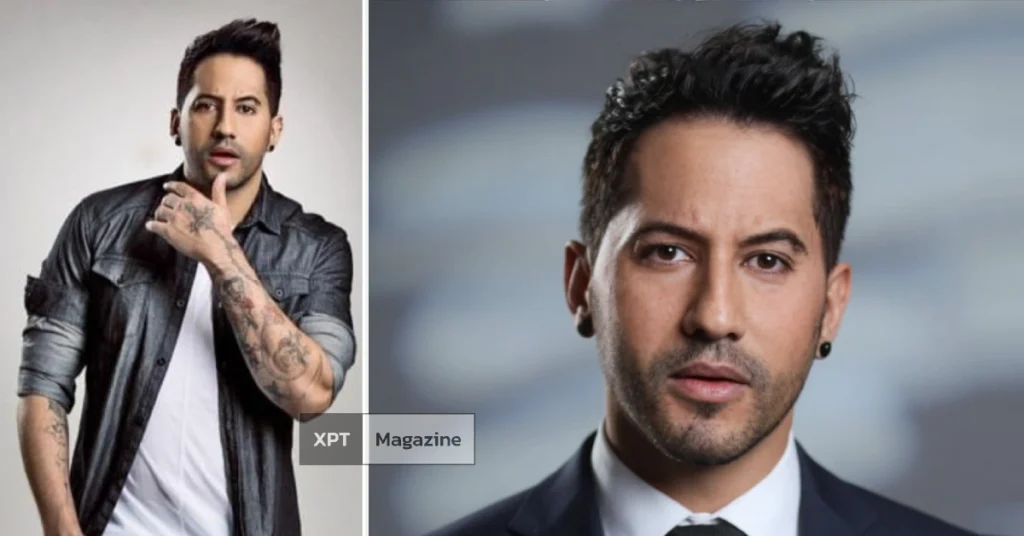
Nipo Saldana (Carlos Dagoberto Galán Pepén) is a Dominican actor and music producer born August 9, 1981, in Santo Domingo. Known for films like Dos policías en apuros and his Instagram presence @nipo809, he maintains an independent entertainment career. Though recognized as Zoe Saldaña’s brother, his work in Latin urban music production and regional film stands on its own merit within Caribbean entertainment markets.
Carlos Dagoberto Galán Pepén appears in screen credits as Nipo—a stage name that signals his artistic identity. Born August 9, 1981, in Santo Domingo, Dominican Republic, he works across two creative fields: acting and music production. Most recognize him through his family connection to Hollywood star Zoe Saldaña, though his career stands on its own merit with film credits and a growing social media following.
The name Nipo carries weight in Caribbean entertainment circles. His Instagram profile @nipo809 draws thousands of followers who track his musical releases and behind-the-scenes moments from film sets. The digits 809 reference the Dominican Republic’s area code—a subtle nod to roots that shape his artistic output.
Who is Nipo Saldana?
Nipo built his career in Santo Domingo’s urban arts scene before expanding into international projects. IMDB lists his acting work, including roles in Dominican productions like Dos policías en apuros. His music catalog blends Latin rhythms with contemporary production techniques, targeting audiences across Spanish-speaking markets.
You’ll find him described as both performer and producer. These labels fit—he appears on camera while also working in recording studios. His social media posts alternate between set photos and studio sessions, showing a creative life split between two demanding industries.
The Saldaña family name opens doors, but Nipo maintains a separate professional identity. Public records confirm the sibling relationship, and Zoe occasionally shares birthday tributes to her brother on Instagram. One 2018 post shows a family photo with the caption celebrating his birthday. Still, his credits and collaborations exist independently from her Hollywood trajectory.
Early Life and Dominican Roots
Growing up in Santo Domingo meant constant exposure to merengue, bachata, and emerging urban genres. The Dominican Republic’s music scene in the 1980s and 1990s shaped countless artists who blended traditional Caribbean sounds with hip-hop and reggaeton influences. Nipo absorbed these fusions during formative years when local radio stations competed for attention with imported American music.
Family life included artistic influences from multiple sources. The Saldaña household supported creative pursuits—a factor that eventually led different family members into entertainment careers. Santo Domingo offered limited formal training options compared to larger entertainment hubs, but street-level performance culture provided real-world education. Young artists learned by watching, collaborating, and performing at local venues that valued authentic expression over polished production.
First Steps Into Music and Acting
Nipo’s entry into professional creative work followed typical Dominican paths: small gigs, local collaborations, and gradual network building. Early music projects likely included studio sessions for established artists before releasing original material. The Caribbean music industry operates through personal connections—producers know musicians who know venue owners who know potential collaborators.
Acting opportunities in Dominican cinema remain limited compared to Hollywood or even regional Mexican productions. Most local actors work on short-term projects: commercials, television series, and independent films with modest budgets. Nipo navigated this landscape while developing skills that would later translate to larger productions. The entertainment industry demands versatility—performers who can act, produce music, and maintain public personas stand better chances of sustained work.
Training probably mixed formal instruction with practical experience. Santo Domingo offers theater workshops and acting classes, though many performers learn through direct participation in projects rather than extended schooling.
Career: Acting and Screen Credits
Film credits reveal steady work in Spanish-language productions. Dos policías en apuros represents the type of commercial comedy popular across Latin American markets—accessible entertainment that draws local audiences without requiring massive marketing budgets. These projects build résumés and provide income while actors pursue bigger opportunities.
Dominican cinema faces challenges: limited funding, small domestic markets, and competition from Hollywood imports. Actors working in this environment often juggle multiple roles within productions. Nipo’s screen appearances demonstrate persistence in an industry where consistent work requires both talent and strategic networking.
IMDB listings provide bare-bones information—titles, years, character names. The experience behind those credits includes long shoot days, script readings, promotional appearances, and the constant hustle of securing next projects. Screen work in regional markets rarely leads to instant fame. Success measures in sustained employment and gradual audience recognition.
Notable Film/TV Credits
His filmography includes Dominican productions that circulate primarily within Caribbean and Latin American markets. Dos policías en apuros stands out among his documented roles. Additional projects likely exist beyond English-language databases, reflecting the reality that many regional productions receive limited international documentation.
Career: Music, Producing, and the Studio
Music production offers different creative satisfactions than acting. Studio work involves technical skills—mixing, beat selection, arrangement decisions—alongside artistic vision. Nipo’s music blends contemporary Latin urban sounds with traditional Dominican elements. The 809 area code reference in his Instagram handle signals pride in geographic identity, which likely influences musical choices.
Producers in Caribbean markets work across genres. One day might involve urban tracks with reggaeton beats; the next could focus on romantic ballads. Flexibility keeps producers employed and creatively engaged. Collaborations form the industry backbone—guest vocals, beat trades, and co-writing sessions that expand networks and skills simultaneously.
The intersection between acting and music careers creates synergies. Musicians gain acting opportunities; actors leverage musical skills for expanded roles. Both fields demand public presence and brand building. Social media platforms like Instagram become essential tools for showcasing work, announcing projects, and maintaining fan engagement between major releases.
Public Image and Social Media Presence
@nipo809 offers glimpses into both professional work and personal moments. Posts include studio sessions, family gatherings, promotional content for releases, and casual snapshots that humanize the public figure. Follower counts matter in entertainment—brands and collaborators assess social reach when considering partnerships.
He maintains an approachable online presence. Comments sections show fan interactions, questions about upcoming projects, and birthday wishes. This accessibility contrasts with celebrities who create distance through managed accounts. Authentic engagement builds loyal followings that support long-term careers.
Instagram stories provide real-time updates: rehearsals, behind-the-scenes footage, and location tags that document travels. The platform’s visual nature suits entertainment professionals who need to showcase work constantly. A steady posting rhythm keeps profiles active and algorithms favorable.
Relationship to Zoe Saldaña and Family Notes
Zoe publicly acknowledges her brother through social media posts and occasional interviews. A 2018 Instagram birthday tribute included family photos and warm messages celebrating their bond. These moments confirm the relationship while respecting both siblings’ separate professional paths.
Being related to a Hollywood A-lister creates mixed effects. Recognition comes easier—journalists mention the connection, fans discover Nipo through Zoe’s profile. But comparisons become inevitable. Career achievements get measured against her massive success, even though they work in different entertainment tiers with vastly different resources and opportunities.
Nipo addresses this dynamic through consistent output. His credits and releases speak to personal effort rather than family leverage. The sibling relationship exists as a biographical fact without defining his entire identity. Many artists face similar situations—balancing family connections with individual merit.
What Fans Notice Now—Recent Projects and Direction
Current Instagram activity suggests ongoing music production and potential film projects. Recent posts show studio time, indicating new releases in development. The entertainment industry shifted during recent years, with streaming platforms creating new distribution channels for regional content. Dominican artists now reach global audiences more easily than previous generations.
Fans track release announcements and appearance schedules. Comments request new music, ask about upcoming roles, and express support for creative direction. This feedback loop informs artists about audience preferences while maintaining engagement between major projects.
The Dominican entertainment scene continues to grow. International interest in Latin music creates opportunities for producers and performers who understand regional sounds. Nipo’s position—established enough for recognition, versatile enough for multiple creative lanes—positions him well for continued work.
Why His Story Matters
Nipo represents countless artists building careers outside Hollywood’s spotlight. His path shows the reality of regional entertainment work: consistent effort, multiple skills, strategic networking, and pride in cultural roots. Dominican artists contribute significantly to global Latin music and Spanish-language film, yet individual stories often go unrecognized.
The balance between family connection and independent achievement resonates universally. Many people navigate relationships with more successful relatives while establishing separate identities. Nipo’s choice to maintain distinct professional branding demonstrates self-awareness about industry dynamics.
His story matters because regional artists drive cultural production. The music playing in Caribbean clubs, the films screening in Santo Domingo theaters—these works shape communities and preserve traditions while pushing creative boundaries. Success doesn’t require Hollywood validation.