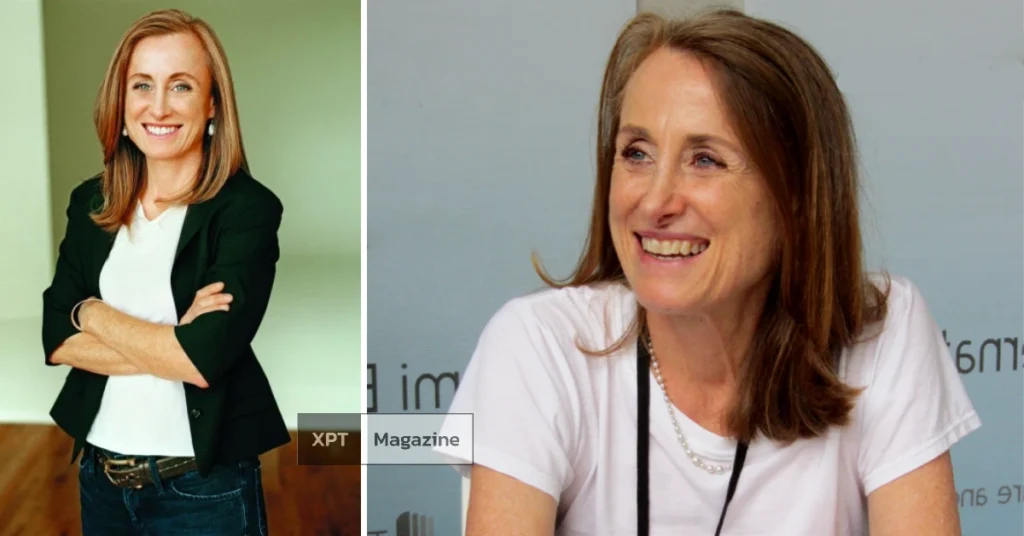
Joanne Schieble is Steve Jobs’ biological mother, who placed him for adoption in 1955 under family pressure. Born in Wisconsin in 1931, she later married and had a daughter, Mona Simpson. Jobs reunited with Joanne in the mid-1980s, and they maintained contact until he died in 2011.
When you think of Steve Jobs, you picture Apple, the iPhone, and a tech revolution that changed how we live. But behind that story sits another one—quieter, more personal. Joanne Schieble gave birth to one of history’s most famous figures, then made a choice that shaped both their lives. Her story involves love across cultural lines, social pressure in 1950s America, and a reunion decades later that few people know about.
Who is Joanne Schieble?
Joanne Schieble is the biological mother of Steve Jobs, co-founder of Apple Inc. Born Joanne Carole Schieble in 1931, she grew up in Wisconsin during an era when an unmarried pregnancy carried enormous stigma. Her connection to Jobs centers on a single, defining moment—placing her newborn son for adoption in 1955. That decision, made under family pressure and social constraints, set in motion a story that would touch millions of lives.
She later married, had another child (author Mona Simpson), and took the surname Simpson. While Jobs became a household name, Joanne remained largely out of the spotlight. Yet her choices and the paths she took matter—they shaped the man who shaped modern technology.
Early life and background
Joanne grew up in Green Bay, Wisconsin, the daughter of Swiss-German immigrants. Her father, Arthur Schieble, was a strict man who valued traditional expectations. The family lived comfortably but conservatively, with clear rules about proper behavior and social standing.
She attended the University of Wisconsin, pursuing graduate studies in the early 1950s. College opened doors for women, but society still placed rigid boundaries on their choices. Marriage and family came before career. Pregnancy outside marriage meant scandal, shame, and often rejection from family and community.
Joanne was bright, curious, and drawn to education. She wanted more than the prescribed path. But the world she inhabited didn’t give young women many alternatives when things went off script.
College, love, and a difficult choice
At Wisconsin, Joanne met Abdulfattah “John” Jandali, a graduate student from Syria studying political science. They fell in love despite the cultural gap between them. For Joanne’s father, the relationship crossed an unacceptable line. A Syrian Muslim man dating his Catholic daughter violated everything Arthur Schieble believed about proper conduct.
When Joanne became pregnant in 1954, her father issued an ultimatum. He refused to support the relationship and threatened to disown her if she married Jandali. In that era, an unwed mother faced brutal social consequences—loss of job prospects, family rejection, and public humiliation. Abortion was illegal and dangerous. Keeping the child as a single mother wasn’t realistic.
Joanne faced an impossible situation. She loved Jandali. She wanted to keep her baby. But the forces pressing against her were overwhelming.
Giving birth and arranging the adoption
Joanne moved to San Francisco to give birth away from prying eyes in Wisconsin. On February 24, 1955, she delivered a healthy boy. She knew she couldn’t raise him alone, but she set specific conditions for his adoption.
She insisted that the adoptive parents be college-educated. She wanted her son to have opportunities, to grow up in a home that valued learning. The first couple selected backed out, wanting a girl. Then Paul and Clara Jobs stepped forward.
Paul Jobs was a machinist without a college degree. Clara had never graduated either. Joanne hesitated. She signed the adoption papers only after Paul and Clara promised the boy would attend college. That promise became reality years later when Steve Jobs enrolled at Reed College—though he famously dropped out after one semester.
The adoption was closed. Joanne wouldn’t know where her son grew up or who he became. She walked away carrying grief that would last decades.
Life after adoption: marriage, daughter, and name change
A few years after giving up her son, Joanne married Jandali. The man her father had refused to accept became her husband after all. In 1957, they had a daughter, Mona. But the marriage didn’t last. Joanne and Jandali divorced, and Joanne later married George Simpson, a skating coach. She took his surname, becoming Joanne Simpson.
Mona grew up knowing about her brother given up for adoption. Joanne told her daughter the truth, though the details remained scarce. Mona Simpson would later become an acclaimed novelist, writing fiction that sometimes touched on themes of family, loss, and identity.
Joanne built a quiet life after her divorce. She worked, raised Mona, and carried the weight of the son she’d lost contact with. She wondered what became of him. She hoped he was happy and safe.
Reunion and relationship with her son
In the mid-1980s, Steve Jobs decided to search for his birth mother. He was in his late twenties, already a millionaire from Apple’s success. He hired a private investigator who tracked down records and eventually located Joanne.
The reunion happened quietly. Jobs met Joanne and learned about Mona. He also discovered that his birth father, Jandali, was still alive but had never tried to find him. Jobs chose not to pursue a relationship with Jandali, feeling abandoned. But he embraced Joanne and Mona.
Jobs and Mona became close siblings. They spent time together, supported each other’s work, and built the family connection that adoption had interrupted. Joanne got to know the son she’d placed for adoption 30 years earlier—brilliant, driven, difficult, and undeniably hers.
Their relationship wasn’t perfect. Jobs could be demanding and distant. But the connection mattered to both of them. Joanne attended some family events and stayed in touch until Jobs died in 2011.
How they found each other
The paper trail that led to the reunion started with birth records in San Francisco. Jobs’ investigator traced hospital records, matched dates, and found Joanne’s name. She had moved several times over the years, but the investigator tracked her down. When Jobs reached out, Joanne was relieved and emotional. She’d wondered for three decades if she’d ever see him again.
Public profile and how she’s been represented
Joanne Schieble Simpson appears in Walter Isaacson’s authorized biography of Steve Jobs, but only in brief sections. Most media coverage of Jobs’ life mentions her in passing—the woman who gave him up, the difficult choice she made. She never sought publicity and rarely gave interviews.
Many websites recycle the same basic facts about Joanne, often without proper sourcing. Some get details wrong—birthdates, name spellings, even the sequence of events. Wikipedia and Isaacson’s biography remain the most reliable sources for accurate information about her life.
She wasn’t a public figure by choice. The spotlight belonged to her son. She lived her life on her own terms, away from cameras and reporters.
Why her story matters
Joanne Schieble made a choice millions of women have faced—what to do when pregnancy happens at the wrong time, in the wrong circumstances. Her story isn’t unique in that sense. But the outcome was extraordinary.
The baby she placed for adoption became one of the most influential people of the 20th century. That fact doesn’t make her choice easier or harder—it just makes it more visible. Her story reminds us that adoption involves real people making painful decisions under pressure.
It also shows how a family can be rebuilt. Jobs found his birth mother and sister. They formed relationships that mattered. The years lost couldn’t be recovered, but the connection could be restored.
Joanne’s life demonstrates the power of social pressure and the limits it places on individual choice. In a different era, with different support, she might have raised Jobs herself. We’ll never know how that alternate story would have unfolded.
What we do know is that Joanne Schieble made the best decision she could with the options she had. Her son grew up to change the world. She lived to see it happen. And in the end, they found each other.