Jeroen Dik: The Man Behind JD Engineering
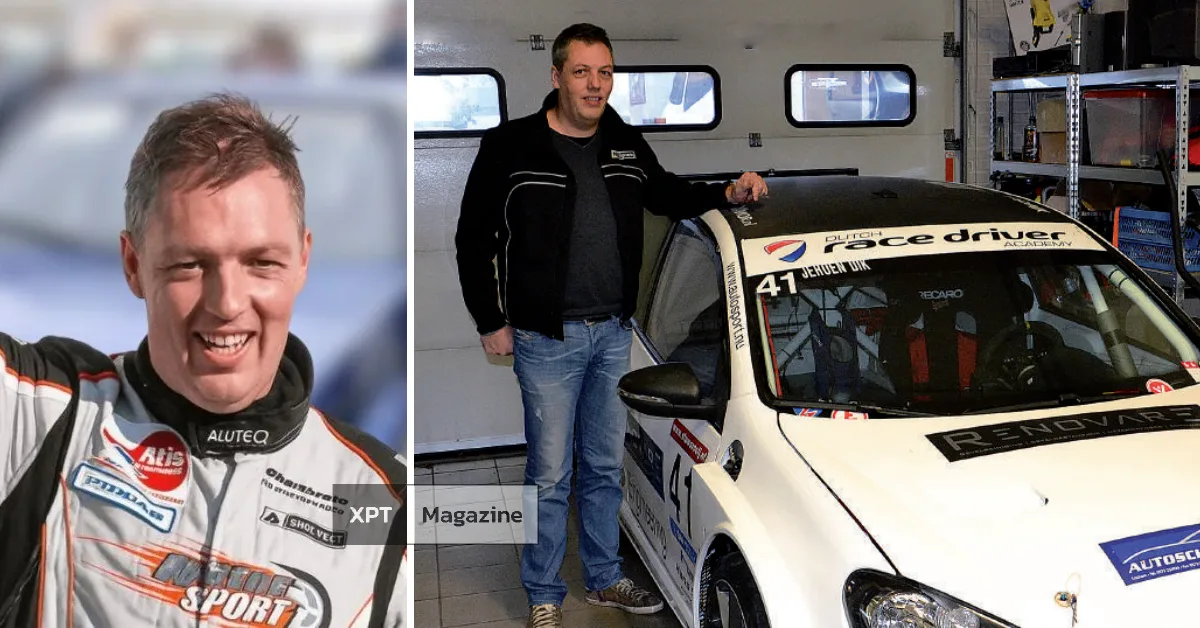
The Volkswagen tuning world lost one of its most respected craftsmen when Jeroen Dik passed away in 2024. His three-decade journey from a garage hobbyist to the founder of JD Engineering shaped how enthusiasts across Europe approached VW performance. Numbers tell part of the story—hundreds of customer builds, countless track days, and a Mk1 G60 that appeared in Performance VW magazine in 1997. But the real measure of Dik’s impact lives in the community he served and the hands-on philosophy he championed until the end.
Who is Jeroen Dik?
Jeroen Dik was a Dutch automotive tuner, race driver, and founder of JD Engineering, a performance shop based in Lochem, Netherlands. He built his reputation through meticulous VAG-platform work—particularly Volkswagen Golf builds—that balanced drivability with power. Racing experience informed his tuning decisions, making him a trusted name among enthusiasts who wanted reliable performance, not just big horsepower claims.
Born in the Netherlands, Dik spent his career translating track knowledge into customer cars. His approach rejected shortcuts. Every engine rebuild, every ECU remap, every suspension setup carried the same attention to detail that kept his own race cars running lap after lap.
Early Life and First Cars
Dik’s interest in engines started young. Growing up in the Netherlands during the 1980s, he watched Volkswagen’s GTI culture explode across Europe. Local car meets and grassroots racing events fueled his curiosity. By his late teens, he was already wrenching on his first Golf, learning through trial and error what worked—and what failed spectacularly.
His early projects taught him the fundamentals: proper bolt torque mattered as much as parts selection. A poorly installed turbo kit caused more problems than it solved. These garage lessons became the foundation for his later professional work. Friends noticed his builds ran cleaner and lasted longer than the typical backyard modifications flooding the scene.
Racing entered the picture naturally. Track time revealed what theoretical horsepower numbers couldn’t. Dik started competing in local circuit events, pushing his builds to their limits while learning what components actually survived hard use. This combination—turning wrenches and driving competitively—gave him an edge many tuners lacked.
From Hobby to JD Engineering
JD Engineering emerged from Dik’s garage operation in the mid-1990s. What started as helping friends prep their Golfs for track days grew into a full-time business. The company’s reputation spread through word-of-mouth, one satisfied customer telling another about the careful work and honest advice coming out of Lochem.
The founding philosophy was straightforward: build cars that owners actually drove. Dik refused to chase dyno numbers at the expense of reliability. He turned away customers who wanted setups he knew would fail under daily use. This selective approach built trust. When someone left JD Engineering with a modified car, they could count on it starting every morning.
Customer testimonials from VAG forums consistently praised the shop’s transparency. “Jeroen told me what I needed, not what would make him the most money,” one Golf owner wrote in 2003. “Three years later, everything he touched still works perfectly.” That reputation became the company’s most valuable asset.
Racing & the Tuner’s Craft
Dik’s racing career and tuning work fed each other. Track experience revealed which modifications delivered real performance versus marketing hype. He competed in various Dutch circuit racing events through the late 1990s and early 2000s, often campaigning his own builds to prove their capabilities.
His signature project—the Mk1 G60—became legendary in European VW circles. Featured in Performance VW’s September 1997 issue, the car demonstrated Dik’s approach perfectly. The supercharged four-cylinder made strong power, but the details mattered more: proper cooling, suspension geometry that worked on both street and track, and an interior that remained functional rather than stripped bare.
Other notable builds followed. A Mk2 GTI with a blueprinted 16-valve engine. A Corrado with revised engine management that improved both power and fuel economy. Each project carried Dik’s fingerprints: conservative boost levels, quality components, and thorough testing before delivery.
His technical writing for enthusiast magazines showed the same practical bent. Articles explained not just what parts to install, but why certain combinations worked while others created expensive problems. He covered topics like proper intercooler sizing, ignition timing adjustments, and realistic expectations for different engine platforms.
The JD Engineering Approach
What separated JD Engineering from competitors was Dik’s insistence on matching builds to owners’ actual needs. A customer wanting weekend track capability got different recommendations than someone commuting daily. This client-focused thinking ran counter to the one-size-fits-all approach common in the tuning industry.
The shop specialized in chip tuning before standalone engine management became affordable. Dik’s ECU work focused on improving drivability across the entire powerband, not just peak numbers. Customers reported smoother power delivery and better fuel economy alongside modest horsepower gains.
Reliability remained non-negotiable. Dik warned customers when their power goals exceeded their engine’s safe limits. He recommended supporting modifications—upgraded cooling, stronger clutches, better brakes—before adding boost. Cars left the shop with complete packages, not ticking time bombs.
Peer mechanics respected this thoroughness. “Jeroen understood that a 250-horsepower Golf needed more than just engine work,” a fellow Dutch tuner noted in 2018. “His builds addressed every system that higher power affected.”
Reputation in the Community
European VAG forums consistently ranked JD Engineering among the continent’s most trusted tuners. The company’s project logs on platforms like Volksforum showed detailed build processes, helping educate the broader community. Dik participated in technical discussions, offering advice even to customers of competing shops.
Magazine features reinforced this standing. Journal Magazine and other European automotive publications highlighted JD Engineering’s work multiple times through the 2000s and 2010s. These articles focused less on shocking horsepower figures and more on the philosophy behind sustainable performance.
Customer loyalty ran deep. Owners returned for multiple builds, trusting Dik with each new project car. Some traveled from Germany, Belgium, and the UK specifically for JD Engineering’s services, despite having local tuning options.
The company’s social media presence—particularly Instagram posts showcasing customer cars—demonstrated the breadth of Dik’s work. From daily-driven Golfs with mild upgrades to full race-prep builds, the portfolio showed versatility grounded in consistent quality standards.
Later Years & Recent Status
Dik continued working at JD Engineering through 2024, maintaining the hands-on involvement that defined his career. The company’s website remained active, offering services from basic maintenance to complete engine builds. His commitment to the craft never wavered, even as the automotive industry shifted toward electrification.
Sadly, reports from the Dutch automotive community confirmed Dik’s passing in 2024. The news spread quickly through enthusiast circles, with tributes highlighting his technical expertise, integrity, and willingness to mentor younger mechanics. The JD Engineering website and associated business operations’ current status remains unclear following his death.
Why Jeroen Dik Matters Today
Dik’s influence extends beyond the cars he built. His approach—prioritizing reliability, customer needs, and honest advice—set standards that outlasted individual projects. Younger tuners cite JD Engineering’s work as inspiration for their own shops.
The Mk1 G60 and other signature builds still circulate in the enthusiast community, a testament to their durability. Owners maintain these cars not as museum pieces but as functional performance vehicles, exactly as Dik intended.
His technical legacy lives in the forums, magazine articles, and customer testimonials documenting decades of problem-solving. These resources continue to help VAG enthusiasts make informed modification decisions.
Career Timeline: Born in the Netherlands; founded JD Engineering in Lochem during the mid-1990s; built the iconic Mk1 G60 featured in Performance VW (1997); competed in Dutch circuit racing through the 2000s; continued tuning and engine building work through 2024; passed away in 2024, leaving a lasting impact on European Volkswagen tuning culture.
Where to Learn More
Those interested in Dik’s technical work can explore archived forum posts where he detailed build processes and answered community questions. The JD Engineering website offered insight into the shop’s services and philosophy, though its current operational status following Dik’s passing requires verification. Performance VW’s September 1997 issue contains the feature on his Mk1 G60. European VAG forums like Volksforum preserve discussions and project logs documenting JD Engineering builds. Driver databases catalog his racing participation in various Dutch motorsport events.
Jeroen Dik was a Dutch automotive tuner, race driver, and founder of JD Engineering in Lochem, Netherlands. He specialized in Volkswagen performance builds that balanced power with reliability. His hands-on approach and racing experience made him one of Europe’s most respected VAG-platform tuners until his passing in 2024.