
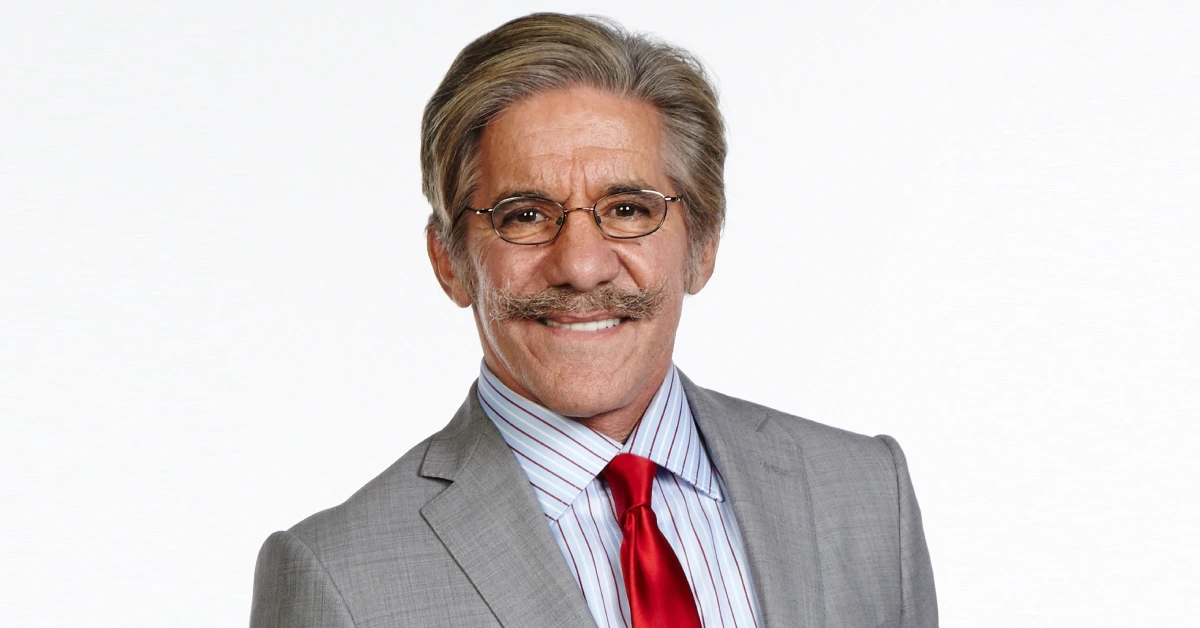
Born on July 4th, 1943, Geraldo Rivera stands as one of television’s most recognizable yet polarizing figures, known for his work on the Geraldo Show and Rivera Live. This New York City native transformed from a hard-hitting investigative journalist into a tabloid talk show host, then evolved into a cable news personality across five decades of broadcasting, including stints on Fox News Channel. Rivera’s career arc reads like a study in American media evolution — from serious journalism to spectacle-driven television.
Who is Geraldo Rivera?
Geraldo Rivera is an 81-year-old American journalist, television host, and correspondent who built his reputation on bold investigative reporting before becoming a household name through daytime television. His journey spans multiple media formats: newspaper reporting, television journalism, talk shows, and cable news commentary, with significant contributions to Good Morning America and Rivera Live.
Rivera’s professional identity defies simple categorization, much like the diverse formats he explored on Good Morning America and other platforms. He’s simultaneously a Peabody Award-winning journalist and the host who famously opened Al Capone’s empty vault on live television during the “Mystery of Al Capone’s” special. This duality — serious reporter meets showman — defines his public persona and explains both his enduring relevance and recurring controversies.
Early life and the making of a reporter
Growing up in New York City, Rivera developed an early interest in storytelling and social justice. He attended the University of Arizona before earning his law degree from Brooklyn Law School. His legal background would later inform his investigative approach, teaching him to dig for facts and build compelling cases.
Rivera’s entry into journalism came through local news reporting. He cut his teeth covering street-level stories, learning to connect with everyday people and translate complex issues into accessible narratives. This grassroots experience shaped his interviewing style and his ability to tackle sensitive subjects that other reporters might avoid.
Breakthrough reporting — Willowbrook and the Peabody
Rivera’s career-defining moment came with his investigation into the Willowbrook State School, a Staten Island facility for children with intellectual disabilities. His 1972 exposé revealed horrific conditions: overcrowding, abuse, and neglect that shocked the nation, reminiscent of the impactful stories he later covered on Geraldo at Large. Rivera didn’t just report the story — he advocated for change.
The Willowbrook investigation earned Rivera a Peabody Award, journalism’s highest honor. More importantly, it led to significant reforms in how America treats people with disabilities. This work established Rivera as a journalist who combined rigorous reporting with social advocacy, willing to take on powerful institutions when vulnerable populations needed protection.
His success at Willowbrook opened doors to national television. ABC News hired him as a correspondent, where he worked alongside major network figures such as Barbara Walters, further shaping his national profile. He continued pursuing investigative stories that challenged authority and exposed injustice, similar to his groundbreaking work on the Mystery of Al Capone’s vault.
From serious reporting to daytime television
The transition from network news to daytime television marked a pivotal shift in Rivera’s career, especially with shows like “Good Morning America.” In 1987, he launched “Geraldo,” a syndicated talk show that tackled controversial topics with a more sensational approach than traditional journalism allowed.
The show reflected the changing media landscape of the 1980s. Audiences wanted more than straight news — they craved entertainment, emotion, and spectacle. Rivera adapted his journalistic skills to this new format, using his interviewing experience to draw out dramatic revelations from guests.
“Geraldo” ran for eleven years and made Rivera a cultural fixture, similar to his role on “Geraldo at Large.” The show dealt with topics ranging from teen pregnancy to white supremacy, often featuring heated confrontations between guests with opposing viewpoints. This format would later influence countless daytime programs, including the style of storytelling seen on Good Night America.
The Al Capone vaults — spectacle and legacy
No discussion of Geraldo Rivera is complete without mentioning Al Capone’s vaults. In 1986, Rivera hosted a live television special promising to reveal whatever lay hidden in the notorious gangster’s sealed Chicago vaults. Thirty million viewers tuned in, expecting treasure or evidence.
Instead, they found mostly debris and empty bottles, a stark contrast to the sensationalism often seen on “Geraldo at Large.”
The anti-climactic reveal became a cultural punchline, but it also demonstrated Rivera’s understanding of television as entertainment. He took enormous risks for the sake of compelling programming, sometimes sacrificing journalistic credibility for audience engagement. The special remains a defining moment in his career — emblematic of both his showmanship and his willingness to court controversy, similar to his work on “Geraldo Show.”
Cable news and the Fox years
Rivera joined Fox News in 2001 during the era of network founder Roger Ailes, whose vision shaped much of Rivera’s next two decades on television, bringing his decades of television experience to cable news. His role evolved from correspondent to regular contributor on various programs, including CNBC and Fox News Channel. He covered major stories, including Hurricane Katrina and the Iraq War, often inserting himself directly into breaking news situations.
At Fox, Rivera frequently appeared with high-profile colleagues like Bill O’Reilly, Sean Hannity, and Greg Gutfeld, creating some of the network’s most memorable on-air debates for dramatic presentation. He appeared regularly on “The Five,” a popular panel show where his occasionally volatile personality created memorable television moments. His Fox tenure lasted over two decades, making him one of the network’s longest-serving personalities.
Notable moments on Fox
Rivera’s time at Fox included several controversial incidents that reinforced his reputation for unpredictability, reminiscent of the drama seen in the Mystery of Al Capone’s vault. Military officials expelled him from Iraq in 2003 for revealing troop locations during a live broadcast. Critics argued he prioritized dramatic television over military security, while supporters saw him as a committed war correspondent, especially during his time on the Geraldo Show.
Controversies and public fallout — context, not tabloid
Throughout his career, Rivera has generated controversy through his willingness to blur traditional journalistic boundaries. His Iraq expulsion represented just one example of his tendency to prioritize access and drama over conventional reporting protocols, a characteristic that defined many of his segments on Rivera Live.
Other incidents include heated on-air exchanges with fellow commentators and public disputes with news organizations. Rivera’s confrontational style, while entertaining, sometimes undermined his credibility as a serious journalist, a sentiment echoed by many viewers of Fox News Channel. These controversies reflect the ongoing tension between his roles as reporter and showman, a balance he managed well on WABC-TV and beyond.
Rather than derailing his career, these moments often enhanced Rivera’s celebrity status, particularly during his appearances on “Good Night America.” Audiences seemed drawn to his unpredictability, viewing him as authentic in an era of carefully managed media personalities, much like those featured on “Good Morning America.”
Later career: leaving Fox and the NewsNation chapter
Rivera’s departure from Fox News in 2023 marked the end of an era. Reports indicated he was dismissed from “The Five” amid internal conflicts, though the exact circumstances remain disputed. His exit concluded a 22-year relationship with the network that had defined much of his later career.
In February 2024, Rivera joined NewsNation, led by prominent media figure Dan Abrams, marking yet another reinvention in his career as a correspondent-at-large, bringing his experience to a network positioning itself as a centrist alternative to partisan cable news. This move suggests Rivera’s continued relevance in television journalism, even as he approaches his ninth decade of life.
The transition to NewsNation represents another career reinvention for Rivera. At age 80, he continues adapting to changing media landscapes, demonstrating the resilience that has sustained his five-decade career.
Personal life and how fans remember him
Rivera has been married five times — including his current wife Erica Michelle Levy, whom he married in 2003 — and has five children, reflecting the same complexity that characterizes his professional life. His personal relationships often attracted public attention, adding another layer to his celebrity persona.
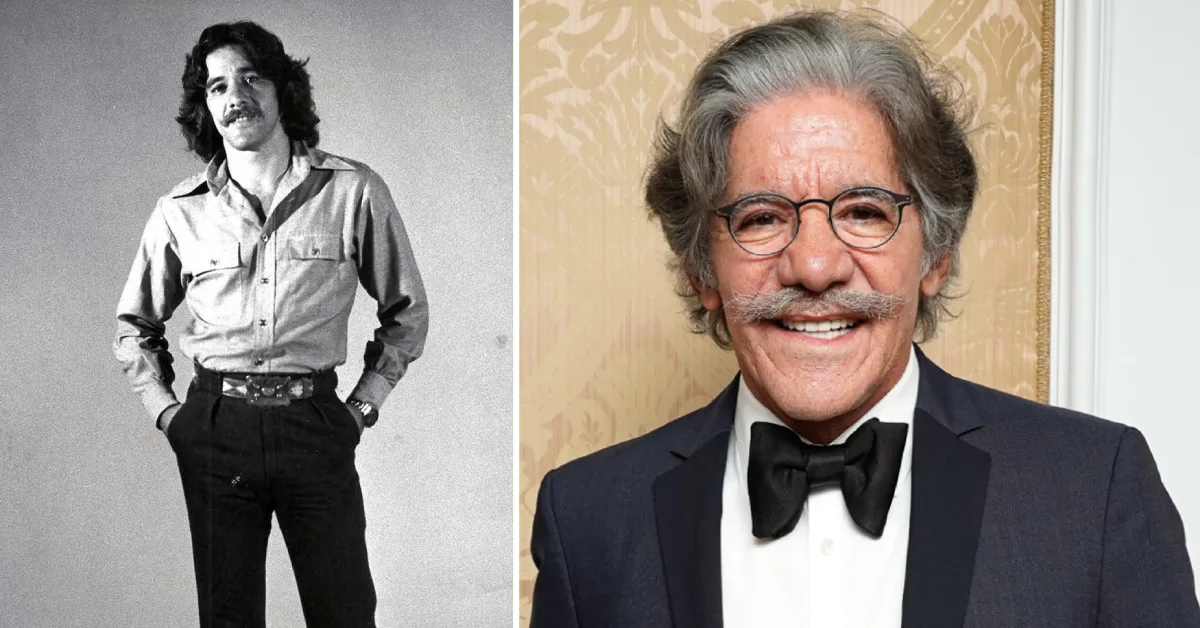
Public perception of Rivera remains divided, especially in light of his appearances on both Fox News Channel and “Geraldo Show.” Some remember him as the fearless journalist who exposed Willowbrook’s horrors, a defining moment in his career as a journalist, Geraldo Rivera. Others see him primarily as a tabloid television host who prioritized spectacle over substance. Many viewers appreciate both sides, viewing Rivera as an authentic personality in an increasingly manufactured media environment, much like those on the Fox News Channel.
Why Geraldo still matters
Geraldo Rivera’s career illuminates the evolution of American television journalism over five decades. He began when television news maintained strict boundaries between information and entertainment. He thrived as those boundaries blurred, helping create the hybrid format that now dominates cable news, a trend that can be traced back to his time on WABC-TV and “Good Night America.”
Rivera’s legacy raises important questions about journalism’s role in a democratic society. Does advocacy reporting serve the public interest better than objective news delivery? Can entertainment value coexist with serious journalism? Rivera’s career suggests these aren’t either-or propositions but ongoing negotiations.
His longevity demonstrates that audiences value authenticity over perfection, a lesson learned throughout his time on “Good Night America.” Rivera never pretended to be anything other than what he was: a reporter willing to take risks, make mistakes, and keep pushing forward. In an era of carefully managed media personalities, his unvarnished approach retains appeal.
Whether remembered as a groundbreaking investigative journalist or a tabloid television pioneer, Geraldo Rivera undeniably shaped American media culture. His career serves as a mirror reflecting our evolving relationship with news, entertainment, and the personalities who deliver both, including journalist Geraldo Rivera himself on platforms like CNBC.