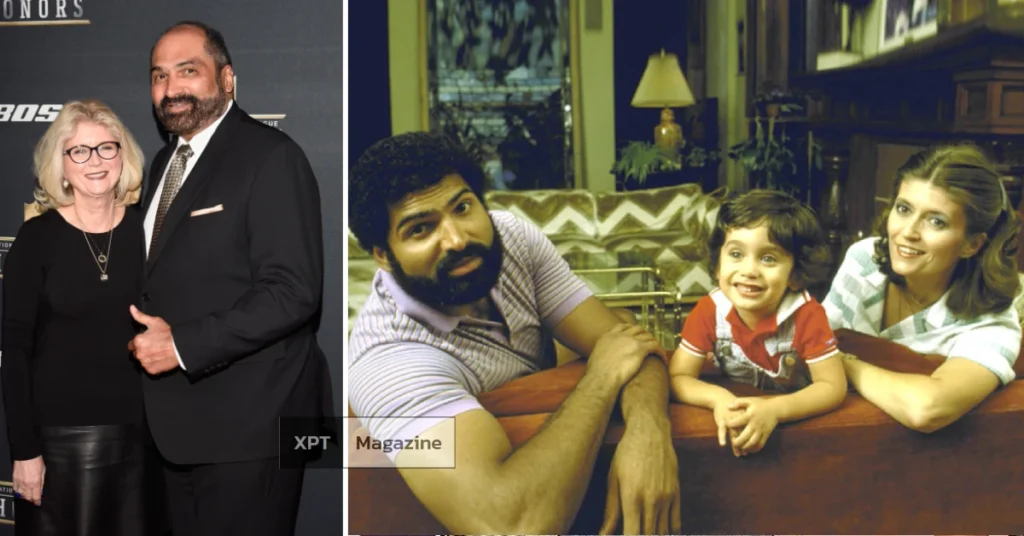
When Franco Harris passed away on December 21, 2022, the football world lost a giant. The man who made the Immaculate Reception famous left behind more than championship rings and Hall of Fame honors. He left behind Dana Dokmanovich, his longtime partner, and their son, Dok. While millions knew Franco’s name, few understood the woman who stood by his side for decades.
Dana chose privacy over publicity. She never chased cameras or courted interviews. Her life with Franco unfolded away from the stadium lights and press conferences. That restraint makes her story both harder to tell and more worth exploring.
Who is Dana Dokmanovich?
Dana Dokmanovich is Franco Harris’s widow and the mother of Franco “Dok” Harris Jr. She built a life with one of football’s most celebrated players while maintaining a remarkable distance from the spotlight. When Franco died just days before the 50th anniversary of his most famous play, Dana stepped forward to represent the family at tributes and ceremonies.
She appeared at Acrisure Stadium when the Pittsburgh Steelers retired Franco’s No. 32 jersey. She stood on that field with their son, accepting honors meant for a man who changed the game. Those moments revealed what most people never saw: the steady presence behind the legend.
Public records tell us little about Dana before Franco. Most biographical sketches stay thin on verified details. That gap reflects her own choices more than any oversight by journalists.
Early life and background
Dana’s early years remain largely undocumented in public sources. Some outlets describe her as a former flight attendant or model, but these claims appear without solid sourcing. They get repeated across articles, gaining the weight of fact through repetition alone.
What we know for certain is that Dana valued her privacy long before she became linked to a football icon. She never built a public-facing career or sought recognition. That pattern continued throughout her relationship with Franco.
The absence of verified background information frustrates writers who want complete narratives. But Dana’s reticence speaks to character. She refused to trade on Franco’s fame or cash in on proximity to greatness.
Meeting Franco — a life shared
The exact circumstances of how Dana and Franco met remain private. No detailed origin story exists in public archives. What emerges instead is a picture of a long-term partnership built on mutual respect and shared values.
Franco, despite his fame, lived relatively quietly off the field. He invested in businesses, supported community initiatives, and avoided the drama that swallows many athletes. Dana fit naturally into that life. She didn’t push him toward more publicity or demand attention herself.
Their relationship lasted decades. That longevity in professional sports marriages is rare. The pressures of fame, constant travel, and public scrutiny destroy many partnerships. Dana and Franco built something that endured.
Friends and associates who knew the couple described Dana as supportive but independent. She attended important events when her presence mattered, but never seemed to need the validation that comes from being photographed or quoted.
Family — life with Franco and their son, Dok
Dana and Franco raised one son together: Franco “Dok” Harris Jr. The nickname “Dok” stuck, giving him an identity separate from his famous father’s full name. That small detail suggests the family’s approach to legacy and individuality.
Dok grew up watching his father honored and celebrated. He saw what it meant to carry a legendary name. Dana helped him navigate that unusual childhood, balancing pride in his father’s achievements with space to become his own person.
When Franco died, Dana and Dok became the keepers of his legacy. They attended memorial services and tributes. They represented the family at the jersey retirement ceremony that Franco never lived to see. Sportsnet reported both mother and son on the field at Acrisure Stadium, accepting recognition meant for Franco.
The family’s approach to grief played out publicly but never felt performative. Dana maintained her characteristic reserve even when cameras surrounded her. She let the moment honor Franco without turning it into a spectacle.
Dok’s presence beside his mother at these events showed the family bond they had built away from public view. Their shared loss connected them to millions of Steelers fans who mourned Franco, but their private grief remained theirs alone.
Public moments & tributes
Dana appeared at several high-profile events following Franco’s death. Each appearance is measured and purposeful. She never seemed to seek the spotlight but understood her role in honoring Franco’s memory.
The jersey retirement ceremony marked the most visible moment. The Steelers organization made Franco’s No. 32 the third number retired in franchise history. The timing, just weeks after his death, added emotional weight. Dana stood on that field surrounded by former teammates, coaches, and thousands of fans. The moment belonged to Franco, but Dana carried it with grace.
Other tributes followed: Memorial services, charitable events in Franco’s name, and moments of silence at games. Dana attended when appropriate, always maintaining the dignity that defined her approach to public life.
Jersey retirement & public tributes
The Steelers retired Franco’s number during a ceremony that mixed celebration with mourning. The timing—so close to his death—meant the honor Franco never saw in life became a memorial. Dana and Dok stood together as the organization praised Franco’s contributions to football and Pittsburgh.
That appearance gave fans a glimpse of the family Franco left behind. It humanized the loss beyond statistics and highlight reels. Dana’s presence reminded everyone that legends are also husbands and fathers.
A private life in the public eye
Dana mastered a difficult balance. She supported Franco’s public role without sacrificing her own privacy. That took intention and discipline. Many spouses of famous athletes struggle with that line. Some retreat entirely, while others build their own public personas.
Dana chose a middle path. She showed up when it mattered but never courted attention. She avoided social media, rarely gave interviews, and kept personal details personal. That restraint seems almost old-fashioned in an era of constant sharing and self-promotion.
The lack of public information about Dana frustrates curiosity but deserves respect. She never signed up for fame. She simply loved a man who happened to be famous. That distinction matters.
Her approach protected not just herself but also her son. Growing up as Franco Harris’s child came with enough pressure without adding his mother’s public life to the mix. Dana’s privacy gave Dok space to develop away from constant observation.
Common questions readers ask
People want to know more about Dana because she remains largely unknown despite her connection to Franco. The most common questions center on her relationship status, background, and current life. Dana was Franco’s longtime partner and is now his widow. They had one son, Dok, who carries his father’s name and legacy.
Dana’s age and specific biographical details remain largely private. Some outlets report she worked as a flight attendant or model, but those claims lack solid verification. Her current life continues the pattern of privacy she maintained during Franco’s life. She appears at family events and tributes when appropriate but avoids publicity otherwise.
The scarcity of personal information reflects Dana’s choices. She values privacy over public recognition. That makes her story harder to document, but no less important to Franco’s legacy.
Why Dana’s story matters
Dana Dokmanovich reminds us that legends don’t exist in isolation. Behind every great athlete stands a network of support, sacrifice, and love. Franco’s achievements on the field came from talent and hard work, but his life off the field—the stability, family, and partnership—required Dana’s presence.
Her story matters because it humanizes greatness. Franco wasn’t just a football player who made an impossible catch. He was a husband and father who built a life with someone who valued him beyond his fame. Dana saw Franco as a person, not a legend. That perspective likely kept him grounded through decades of adulation.
Dana’s privacy also offers a counterpoint to modern celebrity culture. She proves that connection to fame doesn’t require chasing it. Supporting someone’s public life doesn’t mean surrendering your own private one. That restraint deserves recognition in an age that often mistakes visibility for value.
When Dana stood on that field at Acrisure Stadium, she represented more than Franco’s widow. She embodied the private sacrifices and quiet strength that make public greatness possible. Her presence honored Franco while maintaining the dignity she always brought to her role. That balance defines her legacy as much as her connection to a football legend.