Chris Rodstrom, born in 1951, is best known as the wife of NBA executive Pat Riley, although she built her own career as a psychologist before their marriage. Together since 1970, they raised two children while Riley’s basketball career took them across the country. Rodstrom maintains a private life despite her husband’s fame, appearing publicly mainly at charity events and NBA functions.
Pat Riley’s name echoes through NBA history. Championships, dynasty-building, and a Hall of Fame career have made him one of basketball’s most recognizable figures. Yet behind this sports legend stands Chris Rodstrom, a woman who has maintained her own identity while sharing a life with one of the game’s most intense personalities. Born in 1951, Rodstrom spent years as a psychologist before taking on the unique role of partner to a man whose career required constant relocation, public scrutiny, and unwavering dedication.
Her story matters because it reveals something often overlooked in celebrity culture: the quiet strength required to build a life alongside someone in the spotlight. When HBO’s Winning Time: The Rise of the Lakers Dynasty cast Gillian Jacobs to portray her, viewers got a glimpse of the real person who helped Riley navigate the pressures of coaching and executive life. This biography explores the woman who chose privacy over publicity, profession over fame, and partnership over self-promotion.
Who is Chris Rodstrom?
Chris Rodstrom is best known as Pat Riley’s wife, though that description only scratches the surface of who she is. Born Christine in 1951, she carved out her own professional path as a psychologist before her marriage brought her into the orbit of professional basketball. Unlike many celebrity spouses who seek the limelight, Rodstrom has consistently maintained a low public profile, appearing primarily at charity events and occasional red-carpet functions alongside her husband.
Her relationship with Riley spans decades, beginning long before his championship rings and executive titles accumulated. While Riley’s career took him from playing to coaching to front-office leadership, Rodstrom provided stability in a world defined by constant change. She raised their children, maintained family connections, and offered the psychological insight that likely helped Riley navigate the emotional intensity of professional sports. The marriage has endured through multiple team changes, cross-country moves, and the relentless pressure that comes with working in one of sports’ most demanding environments.
Early Life and Background
Details about Rodstrom’s childhood and formative years remain largely private, a pattern that defines much of her approach to public life. What’s known suggests a traditional upbringing that valued education and professional achievement. Her decision to pursue psychology as a career indicates intellectual curiosity and a desire to understand human behavior, traits that would prove valuable in her later life alongside a high-profile coach and executive.
The path from her early years to her eventual marriage shows someone who built an independent identity before becoming known primarily through her relationship. This foundation likely shaped her ability to maintain boundaries and personal space even as her husband’s career thrust their family into public view. Unlike individuals who grow up seeking fame, Rodstrom approached adulthood with different priorities, focusing on meaningful work and personal development rather than recognition.
Career and Professional Life
Rodstrom’s work as a psychologist gave her a professional identity separate from basketball. This background in understanding human motivation, stress, and interpersonal dynamics positioned her uniquely to support someone in Riley’s high-pressure role. Psychologists develop skills in active listening, emotional regulation, and pattern recognition that translate well beyond clinical settings. These tools likely helped her navigate the emotional roller coaster of coaching life, where wins and losses determine public perception and job security.
Her transition away from active professional practice coincided with Riley’s rising profile in the NBA. Rather than viewing this as abandoning her career, it’s more accurate to see it as a conscious choice about where to direct her energy. Supporting Riley’s career while raising their children required its own form of expertise. The decision to step back from psychology doesn’t diminish her professional accomplishments; it simply reflects different priorities at different life stages. Many successful couples make similar calculations about whose career takes precedence during specific periods, understanding that partnership sometimes means one person provides the foundation while the other pursues demanding professional goals.
Meeting Pat Riley and Family Life
The Rileys married in 1970, beginning a partnership that would span more than five decades. They raised two children together: Elisabeth and James. The family navigated constant upheaval as Riley’s coaching career moved them from Los Angeles to New York and eventually to Miami. Each move meant new schools, new homes, and new communities for their children, challenges that fell largely on Chris to manage while Riley focused on basketball.
Their relationship endured periods of intense public scrutiny, particularly during championship runs with the Lakers in the 1980s and later with the Heat. Riley’s coaching style demanded total commitment, leaving little energy for family life during the season. Chris created stability at home, handling the practical and emotional needs that arise in any family. This division of labor, while traditional, proved effective for their specific circumstances. The marriage survived decades in an industry where relationships often fracture under pressure, suggesting mutual respect and shared values beneath the surface.
Life Beside a Sports Legend
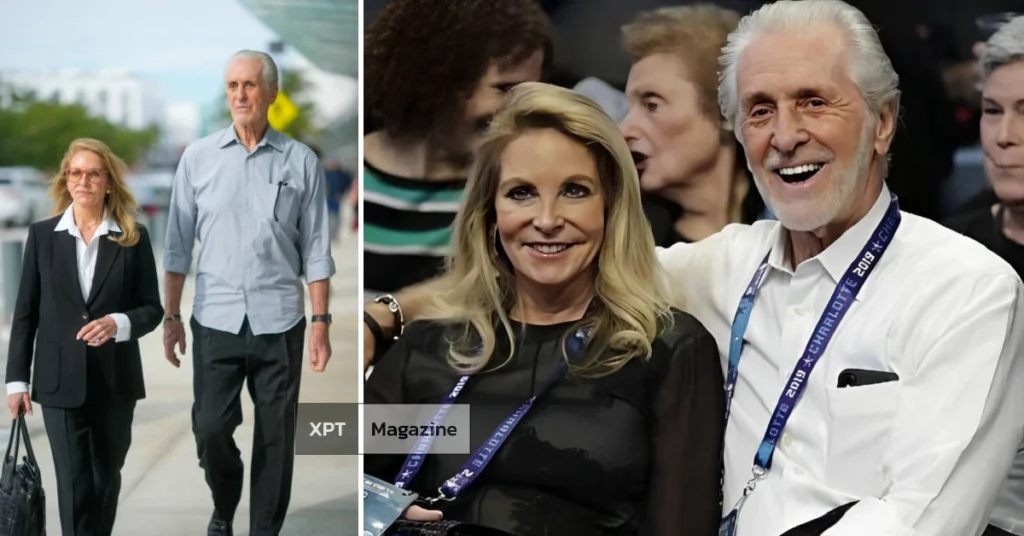
Being Pat Riley’s wife meant attending countless games, charity galas, and public functions. Photos from Getty Images and Alamy archives show Rodstrom at various NBA events over the years, always dressed appropriately but never seeking to outshine her husband. These appearances reveal someone comfortable in formal settings but not eager for attention. She understood her role in these contexts: supportive presence rather than center stage.
The couple’s involvement in charitable work, particularly in Miami, gave Rodstrom opportunities to contribute meaningfully beyond basketball. Pat Riley’s work with various foundations often included Chris, though she rarely sought individual recognition for these efforts. Her psychological training likely informed her approach to philanthropy, focusing on initiatives that created genuine impact rather than just photo opportunities. This pattern of quiet contribution without self-promotion characterizes much of her public life.
In Popular Culture: Winning Time and Portrayals
When HBO dramatized the Lakers’ Showtime era in Winning Time: The Rise of the Lakers Dynasty, the show’s creators recognized that telling Pat Riley’s story meant including Chris. Gillian Jacobs took on the role, portraying a woman who provided emotional ballast during one of basketball’s most intense periods. The show depicted Riley’s transformation from assistant coach to head coach, with Chris serving as a confidante and reality check when the pressure mounted.
This portrayal introduced Rodstrom to audiences who knew Riley’s public persona but nothing about his personal life. While the show took creative liberties with many aspects of Lakers history, it acknowledged something important: successful coaches don’t operate in isolation. They need partners who can handle the chaos, provide perspective, and maintain normalcy when everything else feels unstable. The decision to include Chris in the narrative reflects growing recognition that sports stories involve more than just athletes and coaches; they’re also about the families who sustain them.
Public Presence and Privacy
Unlike many people connected to professional sports, Chris Rodstrom maintains virtually no social media presence. No verified Twitter account exists, no Instagram feed documents her daily life, and no public Facebook page invites fan interaction. This absence feels deliberate rather than accidental. She belongs to a generation that doesn’t equate visibility with value, and she’s chosen to maintain that approach even as younger celebrity spouses embrace digital platforms.
Verifying facts about Rodstrom requires going to primary sources. Pat Riley’s Wikipedia page provides basic family information, including marriage date and children’s names. Getty Images and Alamy stock photo services offer the most reliable visual documentation of her public appearances. Beyond these sources, information becomes speculative, often repeated across websites without verification. This scarcity of confirmed details reflects her successful effort to maintain boundaries between public and private life. The challenge for anyone researching Rodstrom is distinguishing between documented facts and assumptions that have become accepted through repetition.
Why Chris Rodstrom Matters
Chris Rodstrom represents something increasingly rare: someone who chooses substance over visibility. In a culture that rewards self-promotion and equates fame with success, she’s built a meaningful life without seeking attention. Her story matters because it shows alternative models for partnership, professional identity, and personal fulfillment. Not everyone needs or wants public recognition. Some people contribute most effectively from positions of quiet support rather than center stage.
Her five-decade marriage to one of sports’ most demanding personalities demonstrates that sustainable relationships require more than passion—they need practical skills, emotional intelligence, and mutual respect. The fact that she’s now being recognized through cultural portrayals like Winning Time suggests growing appreciation for the people who make high-profile success possible. Chris Rodstrom didn’t seek this recognition, but she earned it through decades of steady presence beside someone whose career demanded everything. That’s a biography worth knowing.