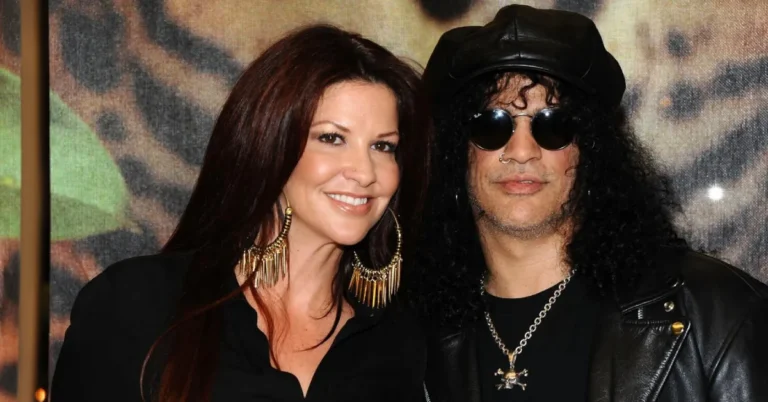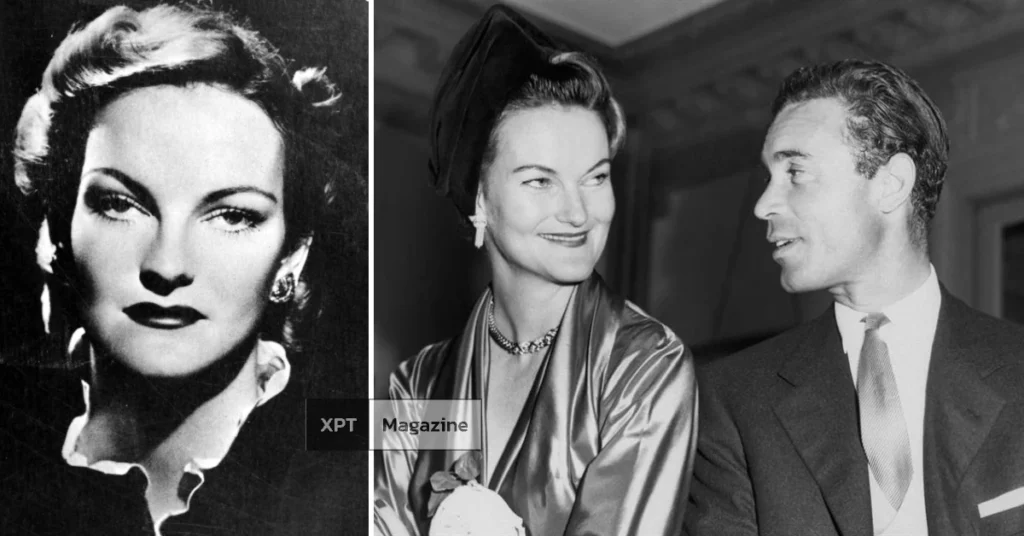
In 1988, tobacco heiress Doris Duke made headlines when she legally adopted a 35-year-old woman named Chandi Heffner. The decision shocked high society and sparked years of legal battles. Their relationship began with spiritual beliefs and ended in courtrooms, leaving behind one of the most talked-about inheritance disputes in American history.
Who is Chandi Heffner?
Chandi Heffner, born Charlene Gail Heffner, became known to the public through her connection to one of America’s wealthiest women. Born in 1952 in Baltimore, Maryland, she gained national attention when Duke adopted her as an adult daughter. The adoption wasn’t just about family bonds. Duke believed Chandi was the reincarnation of her infant daughter, Arden, who had died shortly after birth in 1940.
Before meeting Duke, Chandi lived a life far removed from mansion estates and inherited fortunes. She spent years exploring spiritual practices, including involvement with the Hare Krishna movement. She also practiced belly dancing and lived in Hawaii, where she embraced alternative lifestyles that stood in sharp contrast to Duke’s world of wealth and privilege.
The adoption made Chandi Duke Heffner an instant celebrity. People wondered why a billionaire would adopt a grown woman. Some saw it as genuine affection. Others viewed it with suspicion, questioning the motives on both sides.
Early life and spiritual path
Growing up in Baltimore, Chandi followed a different path than most children of conventional families. She developed interests that led her away from mainstream American culture. Her spiritual searching took her to various practices and communities, including the International Society for Krishna Consciousness.
This spiritual journey shaped who she became. The Hare Krishna movement emphasized devotion, meditation, and simple living. Chandi embraced these teachings and later incorporated elements of Eastern philosophy into her daily life. She also studied belly dancing, an art form that connected her to ancient cultural traditions.
Hawaii became her home for several years. The islands offered the kind of freedom and spiritual atmosphere she craved. She lived modestly, focusing on personal growth rather than material success. This background made her adoption into extreme wealth all the more dramatic.
Family & roots
Chandi’s family background placed her in an interesting social position. She had connections through marriage to prominent families, including ties to the Peltz family. These relationships would later become relevant when media outlets tried to piece together her story beyond just her connection to Duke.
Her roots in Baltimore and her unconventional choices created a unique foundation for the person she would become. These early experiences gave her a perspective that differed greatly from those born into privilege.
Meeting Doris Duke — how the connection began
The two women met in the mid-1980s through shared interests in spiritual exploration and Eastern philosophy. Duke, despite her immense wealth, struggled with loneliness and a lifelong grief over losing her only biological child. When she met Chandi, something clicked. Duke saw in the younger woman a spiritual connection she couldn’t ignore.
Duke’s belief that Chandi embodied the spirit of her deceased daughter, Arden, became the foundation of their relationship. For Duke, this wasn’t a casual thought. She deeply believed in reincarnation and felt she had found her daughter again. This conviction drove her to formalize their bond through legal adoption.
The adoption process moved quickly. Duke’s friends and advisors expressed concerns, but she remained determined. She wanted Chandi to inherit her legacy and carry forward her name. The spiritual connection mattered more to Duke than conventional family structures or the questions it raised among her social circle.
Life in the spotlight (adoption and the public story)
When the adoption became official in 1988, media attention exploded. A 76-year-old billionaire adopting a 35-year-old woman made for sensational headlines. Reporters dug into both women’s backgrounds. Some stories portrayed Duke as eccentric and vulnerable. Others painted Chandi as opportunistic.
The two women traveled together frequently. They visited Duke’s various properties, including Shangri-La, her famous Hawaiian estate. They appeared at social events and seemed genuinely close. Duke introduced Chandi as her daughter, and for a time, the arrangement appeared to work.
Public reaction was mixed with fascination and skepticism. Some admired Duke’s unconventional approach to family. Others worried she was being manipulated. The age difference and circumstances made people uncomfortable. Society struggled to understand a relationship that didn’t fit traditional categories.
Press coverage often focused on the oddity rather than the humanity. Reporters fixated on the reincarnation angle and the inheritance implications. Few bothered to explore what the relationship meant to either woman beyond financial speculation.
Falling out and the will controversy
The relationship lasted only a few years. By 1991, Duke and Chandi’s bond had fractured. The exact reasons remain somewhat murky, with both sides offering different accounts. What’s clear is that Duke changed her will, removing Chandi as her primary heir and effectively disinheriting her adopted daughter.
When Duke died in 1993, the legal battles began. Chandi contested her removal from the will, claiming she had been promised a significant portion of the estate. The dispute dragged on through the courts for years. Both sides presented evidence of promises made and relationships soured.
In 1995, the legal fight ended with a settlement. Chandi received $65 million to drop her claim to the Duke estate. The settlement represented a fraction of Duke’s total wealth, estimated at over $1 billion, but it remained a substantial sum. The agreement allowed both sides to move forward without further litigation.
The will controversy highlighted how complicated wealth and family can become. Duke’s will named her butler as executor and left most of her fortune to charity. The legal outcome satisfied no one completely but provided closure to a painful chapter.
Personal life highlights & public anecdotes
Beyond the legal drama, Chandi’s life included moments that revealed her personality. She participated in what some media outlets called a “mock wedding” ceremony with Duke, though the exact nature and meaning of this event remained unclear. These types of stories fed public curiosity but often lacked context.
She maintained connections with various cultural figures. She attended events that placed her in interesting social situations, including gatherings that connected her to celebrities like Paul Reubens. These interactions showed she moved comfortably in different social circles despite her spiritual background.
Her personal life after the adoption and settlement remained relatively private. She chose not to engage extensively with media or public appearances that focused on the Duke connection. This discretion contrasted with the intense scrutiny she faced during the peak of the inheritance dispute.
Philanthropy and later activities
After settling with the Duke estate, Chandi directed her energy toward charitable work. She established the Chandi Duke Heffner International Foundation (CDHIF), which supports various causes. The foundation reflects her long-standing interest in helping others and making positive contributions beyond her personal story.
She also became involved in horse breeding and racing. Records from thoroughbred sales show her participation in the equestrian world, buying and selling horses at major auctions. This interest gave her a different kind of public presence, one based on her own activities rather than her famous connection.
Her philanthropic efforts receive less attention than the inheritance story, but they represent where she chose to focus her life. The foundation work and equestrian interests show a person building a legacy separate from the Duke name.
What people usually want to know (age, net worth, where now)
Born in 1952, Chandi is now in her early 70s. Questions about her current net worth focus primarily on the $65 million settlement from 1995. How much remains depends on investments, spending, and charitable giving over the past three decades. She maintains a low public profile, making current financial details difficult to verify.
She did receive a significant settlement from the Duke estate, contrary to some reports that she was left with nothing. The $65 million represented a negotiated compromise. While less than she might have inherited as the Duke’s adopted daughter, it provided substantial financial security.
Her current location and daily activities remain largely private. She appears occasionally in connection with her foundation work or equestrian activities but avoids interviews about the Duke years. This privacy seems intentional, a choice to move beyond the headlines that once defined her.
Why Chandi Heffner’s story still matters
The saga of Chandi and Doris Duke touches on themes that resonate beyond celebrity gossip. It raises questions about family, identity, and what we owe each other. Duke’s belief in reincarnation shaped her decisions in ways that confused and frustrated those around her. Chandi’s spiritual background prepared her for an unconventional relationship but perhaps not for the legal aftermath.
Their story also reveals how wealth complicates relationships. Money magnified every disagreement and turned private hurt into a public spectacle. The legal battles overshadowed whatever genuine connection the two women shared.
What remains is a human story about two people who found each other, believed they understood their connection, and ultimately couldn’t sustain it. Duke died without the daughter she thought she’d found. Chandi walked away with money but also with decades of public judgment. Both women paid a price for a relationship that began with hope and ended in courtrooms.