
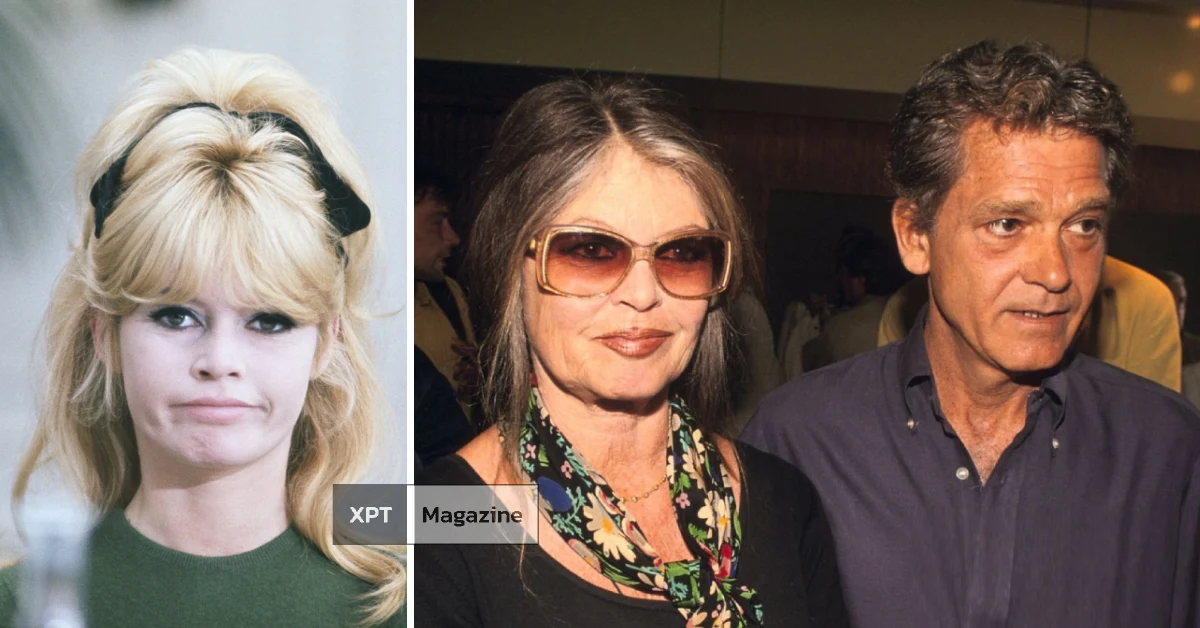
Brigitte Bardot passed away on December 28, 2025, at her home in Saint-Tropez. She was 91 years old.
I’ll be honest—writing about Bardot means writing about someone who lived two completely different lives. Most people remember the blonde bombshell from 1950s French cinema. But the woman who died last weekend had spent the past 52 years doing something entirely different: fighting for animals with the same intensity she once brought to the screen.
The Film Career That Changed Everything
Bardot was born in Paris in 1934 to an upper-middle-class family. She started as a ballet student and fashion model before her first husband, director Roger Vadim, cast her in “And God Created Woman” in 1956.
That film made her an international sensation. Not because it was a masterpiece—critics were mixed—but because it showed a young woman who owned her sexuality without apology. This was shocking in the 1950s.
French President Charles de Gaulle called her a French export as important as Renault cars. She became so iconic that France used her face as the model for Marianne, the symbol of the French Republic.
But here’s what gets lost in the mythology: Bardot hated being reduced to her looks. She once told the BBC she hadn’t had much chance to act; mostly, she had to undress.
The Turn Nobody Saw Coming
In 1973, at 39, Bardot quit acting entirely. No gradual fade-out. She just stopped.
She created the Brigitte Bardot Foundation for animal welfare in 1986 and threw herself into activism. At a 1987 auction of her memorabilia, she said she gave her beauty and youth to men, and now she was giving her wisdom and experience to animals.
Her campaigns weren’t symbolic. She went after the Canadian seal hunt, animal testing, horse meat consumption, and fur farming. France awarded her the Legion of Honor in 1985 for this work.
Her final social media post, shared the day before she died, was a plea to find a home for a rescue dog with arthritis.
The Uncomfortable Truth About Her Later Years
Writing honestly about Bardot means addressing the part that made many people uncomfortable. She wasn’t just an animal rights activist in her later years—she became a vocal supporter of far-right politics in France.
She was convicted multiple times for inciting racial hatred over her remarks about Muslims. She married Bernard d’Ormale, who had ties to far-right politician Jean-Marie Le Pen. She made statements about immigration and Islam that got her fined by French courts at least five times.
This isn’t me editorializing. These are documented facts. The same foundation that announced her death also represents someone who spent years making inflammatory public statements.
Some people separated her animal welfare work from her politics. Others couldn’t. That’s the reality of her legacy.
What Made Her Different (For Better and Worse)
Bardot never played by anyone’s rules. In the 1950s, that meant challenging sexual norms on screen. Later, it meant saying exactly what she thought, regardless of consequences.
French philosopher Simone de Beauvoir wrote that in the game of love, Bardot was as much a hunter as she was prey. That analysis applied to her whole life. She pursued what she wanted—whether it was sexual freedom, animal protection, or controversial political positions—without asking permission.
She lived on her own terms. That made her a hero to some and a villain to others, sometimes simultaneously.
The Legacy Question
Here’s what’s true: Bardot changed French cinema. She helped bring the sexual revolution to the screen at a time when that took real guts. She walked away from millions of dollars and worldwide fame to fight for animals nobody else cared about in the 1970s.
Also true: She spent decades making statements that hurt people and aligned herself with political movements many found abhorrent.
French President Emmanuel Macron said she embodied a life of freedom. That’s accurate. But freedom to do good and freedom to cause harm often come from the same place.
Key Takeaways
- Bardot died on December 28, 2025, at 91, at her home in Saint-Tropez
- She appeared in 47 films before quitting acting at 39 in 1973
- Her animal rights foundation continues operating and announced her death
- She remained active in animal welfare work until her final days
- Her later political views and statements about immigration and Muslims led to multiple legal convictions
- Her legacy remains complex and divisive
The woman who died wasn’t the sex symbol from the movie posters. She was a 91-year-old animal activist who’d been living in relative seclusion for decades. Whether you admired her, were troubled by her, or both, she lived exactly as she wanted until the end.
Transparency Note
This article is based on verified reporting from news agencies, including AFP, CNN, NPR, and NBC News, as well as statements from the Brigitte Bardot Foundation. For more information about our editorial standards and contact information, please visit our About Us and Contact Us pages.