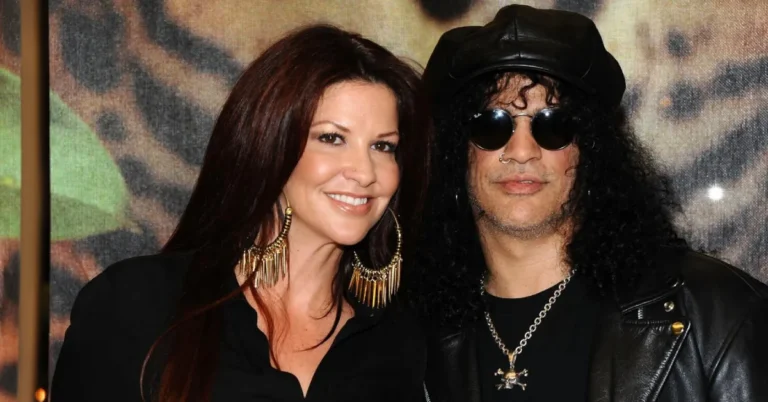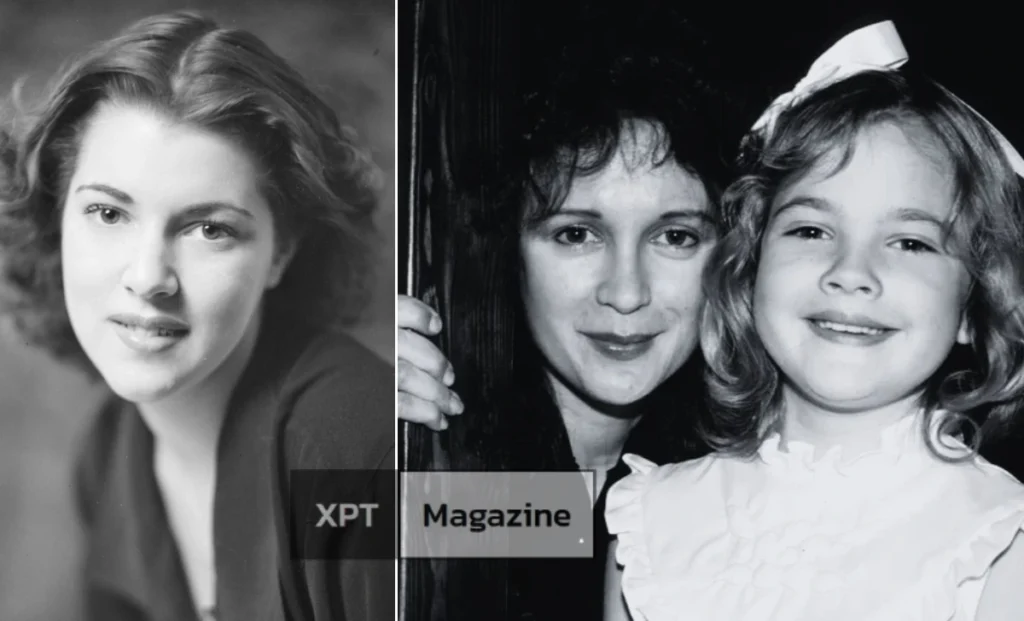
Blyth Dolores Barrymore (born 1960) is an American woman best known as a member of the Barrymore acting dynasty. She is the daughter of actor John Drew Barrymore and actress Gabriella Palazzoli, and a half-sister to actress Drew Barrymore. Unlike many of her famous relatives, Blyth Dolores has lived a private life away from the entertainment industry.
The Barrymore name carries enormous weight in American entertainment. Known as the “Royal Family of the American Stage,” the family’s roots stretch back to the 19th-century London theatre. For most members, the spotlight was unavoidable. For Blyth Dolores Barrymore, it appears to have been a deliberate choice to step away from it entirely.
Blyth Dolores Barrymore Age
Blyth Dolores Barrymore was born in 1960, which makes her approximately 65 to 66 years old as of 2025. Her exact birth date is not widely documented in public records, a detail that reflects her preference for staying out of the public eye.
To put her age in context alongside her half-siblings: John Blyth Barrymore III was born in 1954, Brahma Jessica Blyth Barrymore was born in 1966 and passed away in 2014, and Drew Barrymore was born on February 22, 1975. The wide span of birth years across the siblings speaks to their father’s long and complicated personal history.
Blyth Dolores Barrymore Early Life & Family Background
The Barrymore Acting Dynasty
The Barrymore family, along with the related Drew family, forms a British-American acting dynasty with roots in the mid-19th-century London stage. According to Wikipedia’s overview of the Barrymore family, the surname traces back to actor William Barrymore (c. 1759–1830), while the Drew line descends from Irish actor John Drew Sr. (1827–1862).
Together, these two families shaped American theatre for generations. Their grandparents managed the Arch Street Theatre in Philadelphia, and the third generation — Lionel Barrymore (1878–1954), Ethel Barrymore (1879–1959), and John Barrymore Sr. (1882–1942) — performed on stage, screen, and radio. The family was so prominent that they earned the title “Royal Family of the American Stage,” a reputation that still resonates today.
Blyth’s Parents — John Drew Barrymore and Gabriella Palazzoli
Blyth’s father, John Drew Barrymore, was born John Blyth Barrymore Jr. on June 4, 1932, in Los Angeles. His parents were the legendary actor John Barrymore Sr. and silent film actress Dolores Costello. As a film actor, he worked steadily from 1949 to 1976, though his career never reached the heights his famous name might have suggested.
Blyth’s mother, Gabriella Palazzoli, married John Drew Barrymore in 1960 — the same year Blyth was born. The marriage ended in divorce in 1970. It is worth noting that John Drew Barrymore’s own parents separated when he was just 18 months old, and he rarely saw his father afterwards. That pattern of fractured family relationships would repeat itself across the generations that followed.
Blyth Dolores Barrymore’s Siblings
John Blyth Barrymore III
Blyth’s older half-brother, John Blyth Barrymore III, was born on May 15, 1954. He came from their father’s first marriage, to actress Cara Williams, which lasted from 1953 to 1959. Like many members of the family, he also pursued a career in acting, following a path well-worn by the Barrymore name.
Drew Barrymore
Drew Barrymore is Blyth’s most famous half-sibling. Born on February 22, 1975, Drew came from their father’s third marriage, to Ildiko Jaid Mako, which ran from 1971 to 1984. Drew became a child prodigy and one of Hollywood’s most recognisable stars, with a career spanning decades of film and television work.
Despite sharing the same father, the two half-sisters had limited contact growing up. The 15-year age gap between them, combined with their father’s troubled personal life and multiple failed marriages, meant the siblings occupied very different worlds during their formative years.
Brahma Jessica Blyth Barrymore
Blyth’s half-sister, Brahma Jessica Blyth Barrymore, was born in 1966 and passed away in 2014 at the age of 48. Her death is part of a pattern of personal struggles and early losses that has touched multiple branches of the Barrymore family tree across several generations.
Diana Barrymore
Diana Barrymore occupies a slightly different position in the family tree. She was a half-sister of John Drew Barrymore Sr. through his father John Barrymore Sr.’s second marriage, which technically makes her Blyth’s half-aunt. Diana also faced significant personal difficulties during her lifetime, adding to what many observers have called the “Barrymore family curse.”
What Happened to Drew Barrymore’s Dad?
Drew Barrymore’s father, John Drew Barrymore (1932–2004), struggled with addiction throughout his life and became reclusive in his later years. Drew moved him near her home in 2003, paid his medical bills, and cared for him until he died of cancer on November 29, 2004, at age 72.
His career began with real promise. He appeared in films including The Sundowners (1950), High Lonesome (1950), and The Big Night (1951). However, substance abuse, legal troubles, and personal instability gradually derailed any momentum he had built. His final credited acting role came in a 1974 episode of Kung Fu.
In his later years, John Drew Barrymore lived what some described as a “mystical existence” while others characterised it as derelict. He withdrew from both the entertainment industry and his family. It was Drew who ultimately brought him back into her life near the end, covering his medical expenses and ensuring he had care. After his death, she spread his ashes at Joshua Tree National Park — the place he loved most.
This trajectory tells an important part of Blyth Dolores Barrymore’s story. Growing up with an absent, troubled father shaped the environment in which she came of age. For Blyth, that background may partly explain her decision to stay well away from public life.
What Ethnicity Is Drew Barrymore’s Mother?
Drew Barrymore’s mother is Ildiko Jaid Mako, who married John Drew Barrymore in 1971. Ildiko is a Hungarian given name, and Jaid Mako has Hungarian heritage, adding a multicultural dimension to a family already rich in British-American and Irish roots.
Drew’s maternal background gives her a lineage that crosses many cultural boundaries. The Barrymore side brings English and American theatrical history going back to the 1700s, while her mother’s Hungarian heritage introduces yet another thread into a family story that has always been anything but simple.
What Happened to Drew Barrymore’s Sister?
Drew Barrymore’s half-sister, Brahma Jessica Blyth Barrymore (1966–2014), passed away at the age of 48. The specific circumstances of her death are not extensively covered in available public records. What is documented is that the Barrymore family has been open about the personal struggles — including addiction and mental health challenges — that have affected multiple generations.
As reported by Love Incorporated in their profile of the Barrymore dynasty, this pattern of personal difficulty is often referred to as the “family curse” — a phrase that has followed the Barrymores for over a century. For Blyth Dolores Barrymore, the loss of her half-sister Brahma is a personal reminder of the toll these generational patterns can take on even those who try to stay out of the spotlight.
Blyth Dolores Barrymore Net Worth
Blyth Dolores Barrymore’s net worth is not publicly documented. Unlike her half-sister Drew Barrymore — who has built a significant fortune through acting, producing, and her lifestyle brand Flower Beauty — Blyth has maintained a private life with no known presence in the entertainment or business world.
Even their father, John Drew Barrymore, had largely unknown finances by the end of his life. He lived reclusively, and it was Drew who ultimately covered his medical expenses. Without verified public records, any net worth estimate for Blyth Dolores Barrymore would be purely speculative and is better left unguessed.
The Barrymore Family Legacy
Hollywood’s First Family
The Barrymore acting dynasty spans from the 19th-century London stage to 21st-century Hollywood. Key figures in the third and most celebrated generation include Lionel Barrymore, Ethel Barrymore, and John Barrymore Sr. — all of whom performed on stage, in film, and on radio. Their grandparents, the Drews, ran the Arch Street Theatre in Philadelphia, cementing the family’s theatrical identity long before Hollywood existed.
The family’s impact on American culture is still visible today. The Ethel Barrymore Theatre, which opened on Broadway in 1928, continues to host major productions and stands as a lasting tribute to the dynasty’s place in American theatre history.
The “Family Curse”
Multiple generations of the Barrymore family have faced addiction, fractured relationships, and early deaths. John Drew Barrymore’s troubled life — estranged from his children, battling addiction, and living reclusively in his final years — is one of the clearest examples of this pattern in recent history.
As reported by Love Incorporated, Drew Barrymore has often been credited with breaking this cycle. Despite a turbulent childhood — she was emancipated from her parents at 14 and had already dealt with addiction herself — she went on to build a stable, successful career and personal life. Blyth Dolores Barrymore’s quiet approach to life can be read as another kind of response to the same family history: not by breaking the cycle in the public eye, but by simply stepping out of it.
Blyth Dolores Barrymore’s Private Life
Very little is publicly known about Blyth Dolores Barrymore’s life today. There is no publicly available information about her career, marital status, or current residence. She has not pursued a public profile in entertainment, business, or any other field that would place her in the public record.
Her choice to stay out of the spotlight stands in sharp contrast to the very public lives of many Barrymore family members. For a family that has spent over a century performing for audiences — on stage, on screen, and in tabloids — Blyth’s approach to privacy is itself notable. It may represent a deliberate decision to sidestep the pressures and patterns that have followed the Barrymore name for generations.
Conclusion
Blyth Dolores Barrymore may not be a household name, but her place within the Barrymore acting dynasty is real and significant. As the daughter of John Drew Barrymore and a half-sister to Drew Barrymore, she is woven into one of the most storied family histories in American entertainment.
Her story is quieter than most chapters in the Barrymore narrative — no major roles, no public controversies, no documented career highlights. But that quietness is itself a kind of answer to everything the Barrymore name has represented: extraordinary talent, personal tragedy, and an enduring cultural legacy that shows no sign of fading anytime soon.