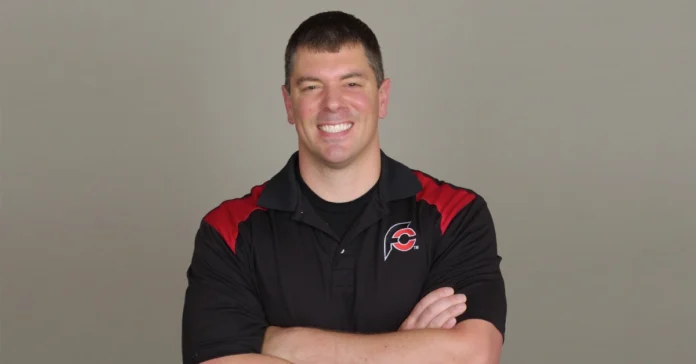
Randy Santel net worth of $2 million to $3 million comes from YouTube ad revenue, brand sponsorships, merchandise sales, and restaurant partnerships. The competitive eater has completed over 1,000 food challenges since 2010, building a sustainable career through consistent content, strategic partnerships, and audience engagement across multiple platforms.
Randy Santel has turned eating massive amounts of food into a million-dollar career. The competitive eater and YouTube creator has an estimated net worth between $2 million and $3 million as of 2025. His wealth comes from YouTube ad revenue, brand sponsorships, merchandise sales, and restaurant partnerships built over more than a decade of filming food challenges across the globe.
Who is Randy Santel?
Randy Santel is a professional competitive eater and digital creator who’s conquered over 1,000 food challenges in restaurants worldwide. Born in 1986 in St. Louis, Missouri, he started his food-challenge journey in 2010 after completing college with a degree in construction management. What began as a weekend hobby, filming himself taking on oversized meals, turned into a full-time career that’s made him one of the most recognized names in competitive eating.
His YouTube channel, which launched in 2011, has grown to over 1.8 million subscribers. Santel’s appeal comes from his genuine personality and methodical approach to each challenge. He breaks down his strategy before each attempt, talks through the experience during the meal, and shares honest reactions afterward. This formula keeps viewers coming back.
How He Built His Audience
Santel’s growth didn’t happen overnight. He spent years traveling to different cities, taking on local food challenges that restaurants used as promotional tools. Early videos showed him tackling everything from 5-pound burritos to 72-ounce steaks. He uploaded consistently—sometimes multiple videos per week—and documented his wins and occasional losses with equal enthusiasm.
His approach stood out because he treated each challenge like an athletic event. He’d research the restaurant, study previous attempts, and explain his eating technique. This gave viewers something beyond just watching someone eat a lot of food. They got insight into the preparation and mental game behind competitive eating.
By 2015, his channel had built enough momentum that he could travel internationally. Challenges in England, Australia, and across Europe expanded his reach. Each new location brought fresh content and introduced him to audiences who’d never heard of American food-challenge culture. His subscriber count climbed steadily as he proved he could succeed in different food cultures and challenge formats.
Main Revenue Streams That Shape His Net Worth
YouTube ad revenue forms the foundation of Santel’s income. With millions of views each month, his channel generates somewhere between $3,000 and $8,000 monthly from ads alone. That calculation comes from typical CPM rates for food content, which range from $2 to $5 per thousand views. His longer videos—many run 20 to 40 minutes—allow for multiple ad placements, boosting earnings per view.
Sponsorships bring in bigger payouts. Food brands, supplement companies, and travel services pay creators like Santel to feature their products in videos. A single sponsored video can earn $5,000 to $15,000, depending on the brand’s budget and the video’s expected reach. He’s worked with protein powder companies, digestive health brands, and food delivery apps. These partnerships happen a few times per year and add substantial chunks to his annual income.
Merchandise sales provide steady passive income. Santel sells t-shirts, hoodies, and other items through his website. While he doesn’t publish exact sales figures, successful YouTubers with his subscriber count typically generate $20,000 to $50,000 annually from merch. His dedicated fanbase—many of whom follow his travels and training methods—supports this revenue stream.
Live appearances and restaurant partnerships round out his earnings. Some restaurants pay him appearance fees to attempt their challenges on camera, knowing the exposure will bring customers through their doors. Others offer prize money for completing challenges. While not his largest income source, these deals add up during busy touring months and strengthen relationships with the food industry.
Big Wins and Signature Challenges That Drove the Money
Santel’s most-viewed videos often feature extreme challenges that test human limits. His attempt at the “Stellanator Challenge” in Milwaukee—a massive sandwich that few have conquered—brought in over 2 million views. The video’s success came from the drama of watching him struggle through the final minutes, barely finishing within the time limit. High-view videos like this one directly increase ad revenue and attract sponsorship interest.
His “Atlas and Zeus” tour series, where he travels with fellow competitive eater Katina DeJarnett, has become a signature content series. The duo takes on challenges together, adding a team dynamic that viewers love. These videos consistently perform well because they combine competition with travel content and relationship elements. The series has helped both creators grow their channels and cross-promote to each other’s audiences.
International challenges have also driven significant attention. His trips to Australia and New Zealand introduced American-style food challenges to regions where they’re less common. Videos from these tours performed exceptionally well, often gaining 500,000+ views within weeks of posting. The novelty of seeing Santel tackle unfamiliar foods in new settings kept the content fresh and algorithm-friendly.
A Realistic Estimate: How We Arrived at His Net Worth
Calculating a YouTuber’s net worth requires combining several data points. We looked at his subscriber count, average views per video, estimated ad rates for food content, and typical sponsorship deals for creators at his level. Social Blade and similar platforms track his channel’s performance, showing consistent monthly views between 3 million and 5 million.
His estimated YouTube earnings alone could total $40,000 to $80,000 annually after YouTube takes its cut. Add sponsorships, merchandise, appearance fees, and other income sources, and his total annual earnings likely fall between $150,000 and $250,000. Over his 13+ years of content creation, accounting for growth over time, a net worth of $2 million to $3 million makes sense. This range assumes he’s saved and invested a portion of his earnings while also covering business expenses.
The lower end of the estimate accounts for taxes, travel costs, and equipment investments. The higher end assumes smart financial management and additional income from sources not publicly visible, such as Patreon supporters or private brand deals.
Where His Money Likely Goes (Expenses & Reinvestment)
Running a food-challenge channel isn’t cheap. Santel travels constantly, which means hotels, flights, rental cars, and meals add up quickly. Even when restaurants comp the challenge meal, he’s paying for regular food throughout his trips. Annual travel expenses for a creator at his level could easily reach $40,000 to $60,000.
Production costs include camera equipment, editing software, and potentially hiring help for filming or post-production. Quality matters on YouTube, and Santel’s videos show professional editing and clear audio. These tools and potential team members cost money. He’s also paying self-employment taxes, which take a bigger bite than traditional employment taxes.
Reinvestment in his brand is visible. His merchandise line has expanded over the years, requiring upfront costs for inventory and website maintenance. He’s also invested in building relationships with restaurants and challenge organizers, often traveling to locations that may not immediately pay off financially but strengthen his network within competitive eating.
Current Status: What He’s Doing Now
Santel remains highly active across platforms. His YouTube channel continues to post multiple videos weekly, showing no signs of slowing down. He’s expanded to Instagram and TikTok, where shorter clips from his challenges reach new audiences. These platforms don’t pay as well as YouTube, but help maintain visibility and direct traffic back to his main channel.
He’s also focusing on longer-format content and documentary-style videos about his travels. This shift shows maturity in his content strategy—giving longtime fans deeper stories while maintaining the challenge format that built his audience. His engagement rates remain strong, with videos regularly hitting hundreds of thousands of views within days of posting.
Recent collaborations with other competitive eaters suggest he’s building a network that could lead to group events or touring shows. The competitive eating community has grown more connected through social media, and Santel is positioned as one of its central figures.
What Fans and Future Researchers Should Watch
Several factors could push Santel’s net worth higher. If he launches a podcast or streaming show, that would open new revenue streams. Major brand partnerships with national food chains could bring six-figure deals. Expansion into competitive eating training or coaching—teaching others his techniques—would diversify his income beyond content creation.
On the flip side, reduced upload frequency or health issues from years of extreme eating could hurt his earnings. YouTube’s algorithm changes constantly, and creators who can’t adapt see their views decline. If his channel growth plateaus or reverses, sponsorship interest might cool.
His relationship with Katina DeJarnett adds an interesting element. Joint content performs well, but if they were to stop collaborating, it could affect both creators’ viewership and income.
The Bigger Picture on Influencer Earnings
Randy Santel’s net worth shows what’s possible when someone commits fully to a niche. He found an audience hungry for food-challenge content and delivered consistently for over a decade. His earnings put him in the upper tier of food creators but below the mega-influencers who chase trends and viral moments. He’s built something sustainable—a career based on skill, personality, and showing up repeatedly for his viewers.
His story fits into the broader creator economy, where people turn specialized knowledge or unique abilities into viable businesses. Not every YouTuber needs millions of subscribers to earn a good living. Santel proves that 1.8 million engaged fans, combined with multiple income streams and smart partnerships, can build real wealth.