
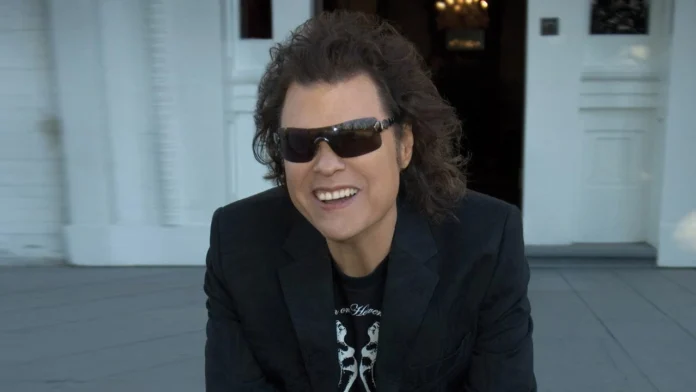
Ronnie Milsap net worth is estimated at $14 million, earned through 40 number-one hits, Grammy-winning albums, and decades of touring. His wealth comes primarily from music royalties, catalog licensing, and publishing rights. Crossover success in country and adult contemporary charts created lasting income streams that continue paying today through radio play, streaming, and media licensing deals.
Country music has produced some unforgettable voices, but few have crossed boundaries like Ronnie Milsap. The blind pianist from North Carolina turned crossover hits into chart gold during the 1970s and 1980s. His songs still earn money decades later through radio play, streaming, and licensing deals. Today, his fortune reflects a lifetime of hit records, Grammy wins, and smart catalog management. So what’s Ronnie Milsap worth in 2025?
Ronnie Milsap Net Worth
Ronnie Milsap net worth stands at approximately $14 million, according to Celebrity Net Worth and recent industry reports. That figure comes from decades of album sales, touring revenue, and ongoing royalties from his extensive catalog. His crossover success in both country and adult contemporary charts during his peak years created multiple income streams that continue paying today. Music royalties and catalog licensing account for most of his current earnings, even as active touring has slowed. Keep in mind that net worth estimates are educated guesses based on public information—they don’t account for private investments, property holdings, or personal expenses.
Who is Ronnie Milsap?
Born January 16, 1943, in Robbinsville, North Carolina, Ronnie Lee Milsap grew up in a small Appalachian town. He was born nearly blind due to a congenital disorder, and by age one, doctors determined his vision couldn’t be restored. His grandparents raised him, and they recognized his musical talent early. At age seven, he began formal training at the Governor Morehead School for the Blind in Raleigh, where he learned classical piano and violin.
Music became his way forward. By his teens, Milsap was playing rock and R&B in local clubs, drawn to artists like Ray Charles and Little Richard. He studied pre-law briefly at Young Harris College in Georgia but left to pursue music full-time. That decision set him on a path toward Nashville and country stardom, though his sound would always carry traces of soul, pop, and rock influences.
How he made his money
Milsap’s wealth comes from three main sources: record sales, live performances, and publishing royalties. Between 1973 and 1990, he placed 40 number-one hits on the Billboard country charts—a remarkable run that put him among the most successful artists of his era. Albums like It Was Almost Like a Song and There’s No Gettin’ Over Me sold millions of copies, generating substantial upfront income and residual royalties.
Touring added to his earnings throughout the 1970s and 1980s. During his peak years, Milsap headlined major venues and drew large crowds. Concert revenue provided immediate cash flow, while merchandise sales and sponsorships provided bonus income. His crossover appeal meant he could book shows in both country and pop markets, expanding his audience beyond traditional country fans.
Publishing royalties remain a steady income source today. Every time one of his songs plays on the radio, streams on Spotify, or appears in a TV show or commercial, he earns money. Mechanical royalties from streaming platforms and performance royalties from broadcast play continue accumulating even without new releases. His catalog includes timeless tracks like “Smoky Mountain Rain” and “(There’s) No Gettin’ Over Me,” which still receive regular airplay. Licensing deals for film, television, and advertising bring additional payments when productions use his music.
Biggest hits & career milestones
Milsap’s breakthrough came in the mid-1970s after he signed with RCA Records and moved to Nashville. His first number-one single, “Pure Love,” hit in 1974, launching a string of chart-toppers that lasted nearly two decades. Songs like “It Was Almost Like a Song” (1977) crossed over to the adult contemporary charts, reaching audiences far beyond country radio. That crossover ability set him apart and increased his earning potential significantly.
His accolades speak to his influence. Milsap won six Grammy Awards, including Best Country Vocal Performance honors multiple times. He earned four Country Music Association Entertainer of the Year awards and was inducted into the Country Music Hall of Fame in 2014. These honors boosted his visibility and helped maintain catalog sales and streaming interest long after his chart run ended. Recognition from industry institutions keeps legacy artists relevant, which directly affects royalty income.
Why catalog and royalties matter for legacy stars
For artists like Milsap, the real money comes from owning or controlling song rights. When you hear a classic hit on the radio or a streaming service, the songwriter and recording artist both earn royalties. Performance royalties go to the artist every time a song plays publicly—whether that’s terrestrial radio, internet radio, or background music in a store. Mechanical royalties come from physical sales, downloads, and streams.
Streaming has changed the game for catalog artists. While per-stream payouts are small, they add up when millions of listeners access decades-old hits. Milsap’s songs remain popular on classic country and adult contemporary playlists, generating passive income without requiring him to record new material or tour extensively. Licensing deals for commercials, movies, and TV shows bring lump-sum payments that can be substantial, especially for well-known tracks. Put simply, owning a catalog of hits is like holding rental property—it keeps paying as long as people keep listening.
Recent activity that affects his value
Milsap hasn’t disappeared from the music scene. In 2019, he released The Duets Album, featuring collaborations with Dolly Parton, Willie Nelson, and other country legends. While it didn’t match his earlier commercial success, it reminded fans of his catalog and introduced his music to younger listeners. Reissues of classic albums on streaming platforms have also brought renewed attention, particularly as vinyl records have made a comeback among collectors.
There’s also been talk of a biopic. Reports in 2024 and 2025 mentioned potential film projects focused on his life story, which could spike interest in his catalog and boost streaming numbers. Biopics often lead to significant sales bumps—just look at what happened with Elton John’s Rocketman or Freddie Mercury’s Bohemian Rhapsody. If a Milsap film moves forward, expect his net worth estimates to climb as catalog sales surge.
Catalog reissues matter financially because they introduce old music to new platforms. When a label digitizes and promotes a back catalog, it opens fresh revenue streams. Younger audiences discovering Milsap through streaming services contribute to his ongoing earnings, proving that great songs have long lifespans.
Why estimates differ
Net worth figures are educated guesses, not audited financial statements. Sites like Celebrity Net Worth compile public data—album sales, touring history, award wins, and industry reports—to estimate an artist’s wealth. They don’t have access to private bank accounts, real estate holdings, or investment portfolios. They also can’t account for debts, legal settlements, or personal spending habits.
Different sources arrive at different numbers because they use different methodologies. Some focus heavily on album sales and streaming data, while others emphasize touring revenue or publishing deals. Most estimates round to the nearest million, which means the actual number could be higher or lower by a significant margin. The $14 million figure for Milsap represents a conservative industry consensus, but treat it as a ballpark, not gospel.
Quick timeline
Milsap’s journey from a blind kid in rural North Carolina to a multi-million-dollar country star is remarkable. He spent his early years learning music at a school for the blind, then cut his teeth playing rock and R&B clubs in the South. After moving to Nashville in the early 1970s, he found his voice in country music with crossover appeal. His chart dominance from 1973 to 1990 built his fortune through record sales, touring, and publishing deals. Today, royalties and catalog licensing provide a steady income, keeping his net worth stable even as he’s stepped back from constant touring. His legacy remains strong, and his music continues earning money nearly 50 years after his first hit.